


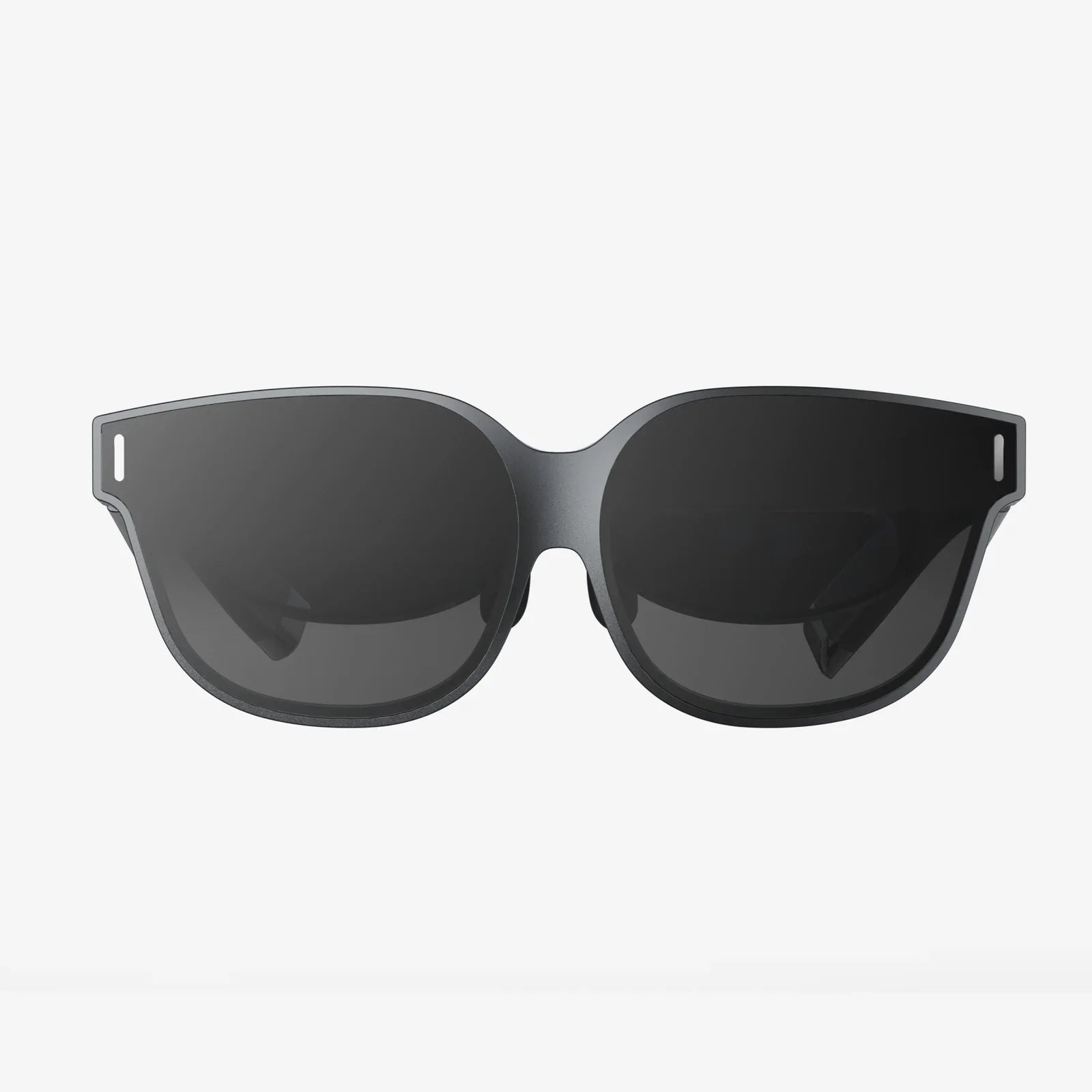
Imagine a world where your home anticipates your needs, your city optimizes traffic flow in real-time, and your health is constantly monitored by invisible guardians. This isn't a scene from a science fiction movie; it's the reality being built today by an ever-expanding universe of smart devices. The term itself can feel overwhelming, a buzzword thrown around to describe everything from a lightbulb to a refrigerator. But what does it truly encompass? The journey into this interconnected ecosystem begins with a simple, yet fundamental question: what are the different types of smart devices that are quietly revolutionizing our daily existence?
The Core of the Connected Home: Hubs and Assistants
Before diving into the diverse categories, it's crucial to understand the brains of the operation. Many smart ecosystems rely on a central command unit.
- Smart Hubs and Speakers: These devices act as the central nervous system for a smart home. They are typically equipped with voice assistants, microphones, and speakers, allowing users to control other compatible devices through simple voice commands. They process requests, relay commands, and often serve as a unified interface for the entire network of gadgets.
- Smart Displays: Building upon the foundation of the smart speaker, these devices incorporate a touchscreen. This visual interface allows for more complex interactions, such as watching video doorbell feeds, following recipe tutorials, making video calls, or controlling devices with a tap. They combine auditory command with visual feedback, creating a more intuitive control center.
Smart Home Essentials: Comfort, Security, and Efficiency
This category represents the most common entry point for consumers and includes devices focused on the fundamental aspects of home management: climate, security, lighting, and appliance operation.
Climate and Environmental Control
These devices are designed to optimize your home's atmosphere for both comfort and efficiency.
- Smart Thermostats: Perhaps the poster child for energy-saving smart tech, these devices learn your schedule and preferences to automatically adjust heating and cooling, potentially significantly reducing energy bills. They can be controlled remotely and provide usage reports.
- Smart Air Quality Monitors and Purifiers: These devices keep tabs on invisible airborne threats, detecting pollutants, allergens, humidity levels, and more. They can often work in tandem with smart purifiers or humidifiers to automatically activate and cleanse the air when quality drops below a certain threshold.
Security and Monitoring
This subcategory provides peace of mind through remote monitoring and automated alerts.
- Smart Locks and Doorbells: Smart locks allow for keyless entry, the ability to grant temporary digital access to guests, and remote locking/unlocking. Smart doorbells include a camera, microphone, and speaker, enabling homeowners to see and speak with visitors from anywhere via their smartphone.
- Smart Security Cameras: These indoor and outdoor cameras stream live footage to a user's device. Many feature motion detection, night vision, and person recognition, sending alerts only when relevant activity is detected to avoid constant notifications.
- Smart Sensors: A broad range of small, discrete sensors form the sensory network of a smart home. This includes contact sensors for doors and windows, motion sensors for rooms, and leak sensors that can detect water from a faulty appliance or pipe, alerting the homeowner before major damage occurs.
Lighting and Appliances
These devices bring automation and remote control to everyday household items.
- Smart Lighting: This includes smart bulbs, light strips, and switches. They can be turned on/off remotely, scheduled, and often adjusted for color and brightness to set a specific mood or complement natural circadian rhythms.
- Smart Plugs and Outlets: These are among the simplest and most effective smart devices. By plugging a traditional appliance (like a lamp, coffee maker, or fan) into a smart plug, it gains smart capabilities, allowing for remote and scheduled control.
- Major Smart Appliances: This category includes high-end kitchen and laundry appliances like refrigerators with internal cameras, ovens that can be preheated remotely, and washing machines that can be started or monitored from a phone.
Personal Smart Devices: Wearables and Entertainment
Moving beyond the infrastructure of the home, a vast array of smart devices are designed for personal use, focusing on health, entertainment, and productivity.
Wearable Technology
These devices are worn on the body, collecting data and providing feedback directly to the user.
- Smartwatches and Fitness Trackers: These devices monitor health metrics like heart rate, steps taken, calories burned, and sleep patterns. They provide notifications from a paired smartphone, track workouts, and some advanced models can even take an electrocardiogram or detect falls.
- Smart Health Monitors: This includes more specialized medical-grade devices like connected blood pressure cuffs, glucose monitors, and thermometers that sync data to an app for easy tracking and sharing with healthcare providers.
Entertainment and Media
This category has transformed the modern living room into a centralized media hub.
- Smart Televisions and Streaming Devices: Modern smart TVs have built-in internet connectivity and platforms, allowing access to streaming services, web browsing, and apps without the need for an external box. Dedicated streaming devices can add this functionality to older televisions.
- Smart Speakers and Sound Systems: Beyond the hub functionality, multi-room audio systems allow for synchronized music playback throughout a home or different songs in different rooms, all controlled from a single device.
- Smart Gaming Consoles: These devices connect to the internet for online multiplayer gaming, digital content downloads, and access to entertainment apps like any other streaming device.
Beyond the Home: Smart Devices in the Wider World
The proliferation of smart technology extends far beyond the consumer's living room, embedding intelligence into our cities, vehicles, and industries.
Smart City Infrastructure
Municipalities are deploying networks of sensors and devices to improve efficiency and public safety.
- Intelligent Traffic Management Systems: Smart traffic lights that adjust their timing based on real-time traffic flow, and sensors that monitor for congestion and accidents.
- Smart Utility Meters: These provide real-time data on water and energy usage, enabling dynamic pricing and helping utility companies manage load more efficiently.
- Public Safety Sensors: Devices that monitor air quality, noise pollution, or even gunshot detection in urban areas.
Connected Transportation
The automotive industry is a major frontier for smart device integration.
- Telematics and In-Vehicle Systems: Modern vehicles are equipped with dozens of sensors and connectivity modules that provide navigation, diagnostic information, emergency services, and internet access.
- Advanced Driver-Assistance Systems (ADAS): While not fully autonomous, these systems use cameras, radar, and lidar to provide features like adaptive cruise control, automatic emergency braking, and lane-keeping assist.
Industrial and Agricultural IoT (Internet of Things)
On a larger scale, smart devices drive efficiency in commerce and food production.
- Smart Logistics: GPS trackers on shipping containers, and sensors that monitor temperature and humidity for perishable goods throughout the supply chain.
- Precision Agriculture: Sensors in fields monitor soil moisture levels, allowing for automated, targeted irrigation. Drones survey crops for health, optimizing yield and reducing waste.
Navigating the Ecosystem: Connectivity and Considerations
Understanding how these devices communicate is key to building a cohesive system. Different protocols exist, each with its own strengths.
- Wi-Fi: The most common protocol, offering high bandwidth and easy integration with existing home networks. It can, however, consume more power and congest network traffic.
- Bluetooth (and Bluetooth Low Energy - BLE): Excellent for short-range, low-power connections between devices like smartphones and wearables or speakers.
- Zigbee and Z-Wave: These are mesh networking protocols designed specifically for smart homes. Devices using these protocols form a network where each device helps relay signals, creating a more robust and far-reaching connection that uses less power than Wi-Fi. They usually require a central hub to communicate with the internet.
- Matter: This is a new, royalty-free connectivity standard gaining significant industry support. Its goal is to ensure compatibility and simplify setup between smart home products, regardless of the manufacturer, reducing the fragmentation seen in earlier ecosystems.
When building a smart home, it's wise to consider which protocols you want to invest in for long-term compatibility and reliability. Furthermore, users must always weigh the incredible convenience of these devices against important considerations like data privacy, security updates from manufacturers, and potential vulnerabilities in an increasingly connected life.
From the moment you ask a speaker about the weather to the automated thermostat that ensures a comfortable homecoming, this intricate web of intelligent gadgets is no longer a luxury but a defining feature of modern living. The different types of smart devices are the individual notes that, when connected, compose the symphony of a streamlined, efficient, and responsive life, offering a level of control and awareness our predecessors could scarcely imagine. The real power lies not in any single device, but in how you choose to orchestrate them to work for you.
Share:
Best Women's Wearable Tech: A Comprehensive Guide to Elevating Your Lifestyle
AR Build Project: Your Ultimate Guide to Assembling the Perfect Modern Sporting Rifle