


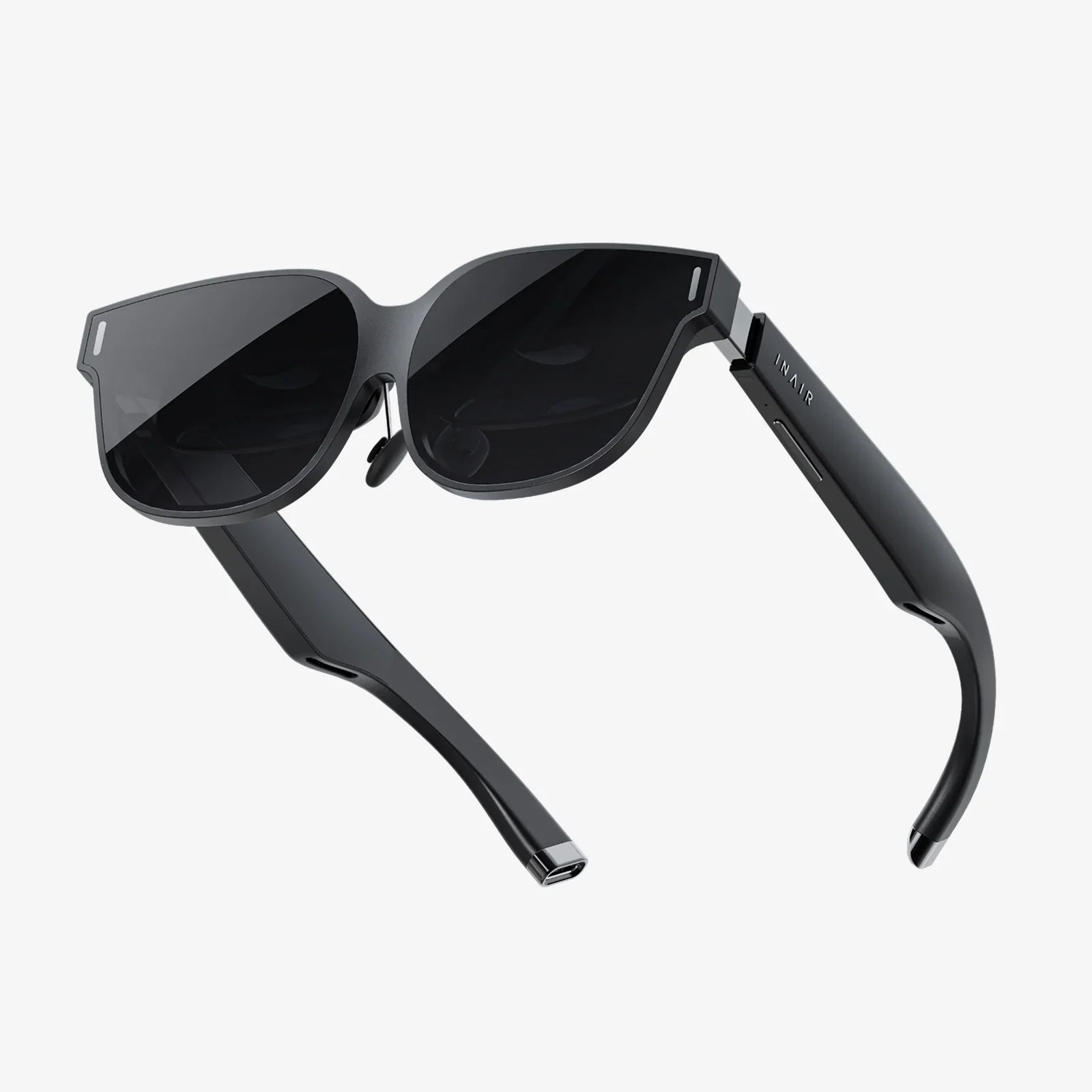
Step into the void, and the real world melts away. Virtual reality promises adventures beyond our wildest dreams, connections across continents, and experiences that defy physics. But as we eagerly don the headsets, a critical question lingers in the digital ether: at what cost does this immersion come? The shimmering allure of VR is undeniable, yet a deeper exploration reveals a landscape fraught with potential harm, from the immediately physical to the deeply psychological, challenging us to look beyond the spectacle and confront the very real consequences of living in a world that isn't there.
The Physical Toll: When the Body Rebels Against the Illusion
The most immediate and widely recognized harmful effects of virtual reality are physical. Our bodies, finely tuned to navigate a three-dimensional world governed by consistent physical laws, can struggle to adapt to the synthetic environments of VR, leading to a range of uncomfortable and sometimes debilitating symptoms.
Cybersickness: The Inner Ear's Confusion
Often described as a high-tech form of motion sickness, cybersickness is a significant barrier for many users. It occurs due to a sensory conflict: your eyes are telling your brain that you are moving—dodging laser fire, flying over mountains, or simply walking through a virtual corridor—but your vestibular system (the fluid-filled canals in your inner ear that control balance) reports that your body is stationary. This neurological dissonance can trigger a cascade of unpleasant symptoms, including:
- Dizziness and vertigo
- Nausea and vomiting
- Headaches
- General disorientation and sweating
The severity varies from person to person, but for a substantial portion of the population, it can make prolonged VR sessions impossible and can leave users feeling unwell for hours after the headset is removed.
Visual Strain and Ocular Health
Our eyes are not designed to focus on pixels on a screen mere centimeters from our face. VR headsets use complex lenses to create a sense of depth and infinity, but the visual system is still under immense strain. The phenomenon known as vergence-accommodation conflict is a primary culprit. In the real world, our eyes converge (turn inward or outward) and accommodate (change focus) in perfect sync to view objects at different distances. In VR, the focal distance is fixed to the screen, but the virtual objects appear at varying depths, forcing our eyes to constantly struggle between where they need to focus and where they need to converge. This can lead to:
- Eye strain and fatigue
- Blurred vision
- Dry and irritated eyes (as users tend to blink less)
- Potential long-term impacts on developing vision in children
While research is ongoing, ophthalmologists urge caution, particularly for young users whose visual systems are still maturing.
Physical Injury and Spatial Awareness
Complete immersion has a dangerous side effect: a complete disregard for your actual physical surroundings. Enthralled by a virtual battle or a breathtaking vista, users can easily forget the coffee table, the wall, or the family pet in their living room. This has led to countless incidents of:
- Tripping and falling
- Colliding with furniture, walls, or other people
- Straining muscles from making sudden, unanticipated movements in the real world while reacting to virtual stimuli
While designated "guardian" or "chaperone" systems exist to create digital boundaries, they are not foolproof, and a moment of intense immersion can override this cautionary measure.
The Psychological Abyss: Altered States and Reality Blurring
Beyond the physical, the profound psychological impact of VR is perhaps more insidious. The technology's power to manipulate perception and emotion is its greatest strength and its most significant risk.
Depersonalization and Derealization
After extended periods in a virtual world, some users report a strange and unsettling feeling of disconnection upon returning to reality. This can manifest as:
- Depersonalization: A feeling of being detached from one's own body, thoughts, or sensations, as if observing oneself from the outside.
- Derealization: The experience of the external world seeming unreal, foggy, or dreamlike.
The brain, having adapted to the rules and stimuli of the virtual environment, can take time to recalibrate to the slower, more complex, and less visually stimulating real world. For those predisposed to dissociative disorders, VR could potentially act as a trigger.
The Proteus Effect and Identity Fragmentation
VR allows us to embody avatars that can be radically different from our real-world selves—a different gender, species, or idealized version of ourselves. This can be empowering, but it also has a documented psychological consequence known as the Proteus Effect. This phenomenon describes how the characteristics of one's avatar can directly influence the user's behavior and self-perception. For example, embodying a tall, attractive avatar may make a user more confident in a virtual negotiation, and this confidence can sometimes bleed into real-world interactions.
However, the reverse is also true. Embodying a negative stereotype or a monstrous form could foster negative behaviors. The constant shifting between a virtual self and a real self raises profound questions about identity consolidation, especially for adolescents who are in a critical phase of forming their self-image.
Desensitization and the Intensification of Experiences
VR's immersive nature makes experiences feel more real. This is a powerful tool for empathy-building, such as allowing someone to experience a day in the life of a refugee. However, it also means that negative experiences are intensified. Exposure to hyper-realistic violence, terror, or other intense stimuli in VR could lead to:
- Desensitization: Becoming emotionally numb to acts of violence or distress due to repeated exposure in an environment that feels real but has no real-world consequences.
- Trauma: Unlike watching a scary movie, a well-crafted VR horror experience can feel like a genuine threat, potentially triggering anxiety, panic attacks, or post-traumatic stress in susceptible individuals.
- Addiction: The allure of an idealized, controlled, and often gamified virtual world can be a powerful escape from the stresses and mundanity of everyday life. This can foster compulsive use, where users neglect real-world relationships, responsibilities, and their own physical health in favor of virtual fulfillment.
The Social Fabric: Isolation and the Erosion of Authentic Connection
While marketed as a tool for social connection, VR has the paradoxical potential to foster deeper isolation. Virtual hangouts and meetings can bridge geographical divides, but they often lack the nuanced, multi-sensory richness of face-to-face interaction—the subtle body language, the warmth of a touch, the shared physical space.
Heavy reliance on virtual socializing can lead to a weakening of real-world social skills and a preference for curated digital interactions over messy, authentic ones. The convenience of a perfect virtual friend or partner might make the effort required to maintain real relationships seem less appealing. This risks creating a generation that is globally connected yet locally isolated, fluent in digital communication but impoverished in the human connections that are fundamental to psychological well-being.
Data Privacy and Security: Your Mind as a Product
The data collection capabilities of VR are unprecedented and terrifying. A headset with eye-tracking and motion sensors is not just monitoring where you go; it's monitoring how you react.
- Biometric Data: It can record your pupil dilation, blink rate, and gaze patterns—invaluable data for advertisers to know exactly what captures your attention and what evokes an emotional response.
- Behavioral Patterns: It can map your reactions to specific stimuli, your decision-making processes in controlled environments, and even your physical movements and limitations.
This level of intimate biometric and behavioral profiling raises alarming privacy concerns. This data could be used to manipulate consumer behavior, influence opinions, or even be exploited by malicious actors. In the wrong hands, the technology designed to understand your immersion could be used to engineer it without your consent.
A Path Forward: Mitigating the Harmful Effects
Acknowledging these risks is not a call to abandon VR, but a plea for its responsible development and use. Mitigation strategies are crucial:
- Strict Time Limits: Treat VR like a powerful tool, not a toy. Enforce regular breaks to mitigate cybersickness, eye strain, and psychological dissociation. The 20-20-20 rule (every 20 minutes, look at something 20 feet away for 20 seconds) is a good start.
- Child Safeguards: Implement stringent age restrictions and time limits for children. Their developing brains and visual systems are most vulnerable to potential long-term effects.
- Informed Consent: Users must be clearly warned of potential risks like cybersickness and psychological impacts before engaging with intense experiences.
- Robust Privacy Regulations: Strong legal frameworks are needed to treat biometric data from VR as the highly sensitive information it is, giving users full control over how it is collected and used.
- Prioritizing Real-World Connection: Actively balance virtual experiences with real-world social interaction and physical activity.
The dream of virtual reality is not inherently flawed, but our journey into these digital realms must be undertaken with our eyes wide open to the very real perils that lie within the illusion. The ultimate challenge is not to build the most immersive escape, but to harness this transformative technology without letting it eclipse the tangible, imperfect, and irreplaceable reality we all share. The headset may offer a new world, but it's the one we return to that truly matters.
Share:
About Augmented Reality and Virtual Reality: The Digital Frontier Reshaping Our World
About Augmented Reality and Virtual Reality: The Digital Frontier Reshaping Our World