


Imagine a work environment that anticipates your needs, seamlessly connects you to colleagues across the globe, and empowers you to do your best work from anywhere. This isn't a distant sci-fi fantasy; it's the imminent future of the digital workplace, a domain undergoing a revolution more profound than any simple shift to remote work. The conversation has moved beyond just providing laptops and video conferencing apps. Today, the focus is on crafting a holistic, intuitive, and empowering digital employee experience (DEX) that becomes a key competitive advantage, driving productivity, fostering innovation, and attracting top talent. The tectonic plates of work are shifting, and the leading trends are mapping a new continent of possibility.
The core of this evolution is a fundamental redefinition of the workplace itself. It is no longer a physical location one commutes to, but an ecosystem of tools, applications, and cultures that employees navigate to perform their tasks. This ecosystem must be frictionless, secure, and, above all, human-centric. The leading trends are converging to create this reality, moving from fragmented digital toolkits to a cohesive, intelligent, and experiential environment.
The Rise of the Hyper-Intelligent and Predictive Workspace
Artificial Intelligence has moved from a buzzword to the central nervous system of the modern digital workplace. We are witnessing a shift from passive tools to active, AI-driven assistants that predict, automate, and personalize the work experience.
AI-Powered Productivity and Automation
Intelligent assistants are becoming sophisticated collaborators. They can now draft emails, summarize long email threads or video meetings, generate reports from raw data, and even create initial code snippets or marketing copy. This goes far beyond simple task automation; it's about augmenting human capability. These AI agents handle repetitive, time-consuming chores, freeing employees to focus on strategic thinking, creative problem-solving, and meaningful human interaction. The workspace itself begins to anticipate needs, suggesting relevant documents before a meeting or connecting colleagues working on similar challenges.
Predictive Analytics and Proactive Support
Data is being harnessed to improve the work experience itself. Platforms can now analyze digital exhaust—how employees use applications, where they encounter errors, and what workflows cause frustration—to identify friction points. This allows IT and HR teams to move from a reactive support model ("fix it when it breaks") to a proactive one ("prevent it from breaking"). For example, if analytics show a particular application consistently crashes for a group of users, support can be dispatched before a critical work deadline is impacted. This predictive approach creates a smoother, more reliable digital environment.
The Unwavering Focus on Employee Wellbeing and Experience
The pandemic blurred the lines between work and life, leading to widespread burnout. In response, a major trend is the direct integration of wellbeing tools and metrics into the digital fabric of work. Companies now understand that a positive digital experience is inextricably linked to mental and physical health.
Digital Wellness Integration
Wellbeing is no longer an optional perk but a core feature of the digital workplace. This includes platforms that encourage regular breaks, promote mindfulness through guided meditation apps, and offer resources for mental health support. Calendar tools can automatically block focus time to prevent back-to-back meetings, and communication apps are incorporating features that discourage after-hours messaging, helping to establish critical digital boundaries and combat the always-on culture.
Measuring Experience with Data
Employee sentiment is being measured with the same rigor as customer satisfaction. Regular digital pulse surveys, sentiment analysis of internal communications, and DEX platforms that provide a constant measure of technology health are becoming standard. These tools provide a quantifiable Employee Experience (EX) score, giving leadership real-time insights into morale, engagement, and potential areas of cultural friction. This data-driven approach allows organizations to move beyond guesswork and make informed decisions that genuinely improve the work-life of their employees.
The Evolution of Collaboration: Asynchronous and Immersive
The way we collaborate continues to evolve at a breakneck pace. The initial rush to replicate in-person meetings via video has given way to more nuanced and flexible models that support distributed, global teams.
Asynchronous-by-Default Communication
With teams spread across time zones, the tyranny of the synchronous meeting is being challenged. The leading trend is a deliberate shift towards asynchronous (async) communication. This involves using tools like threaded discussions, video message recordings, and collaborative documents that allow contributors to participate on their own schedule. This not only respects individual working hours and deep work cycles but also creates a more inclusive environment where ideas are judged on their merit rather than the confidence or time zone of the speaker. It creates a "digital paper trail" of decisions and discussions, enhancing transparency and onboarding.
The Metaverse and Immersive Technologies
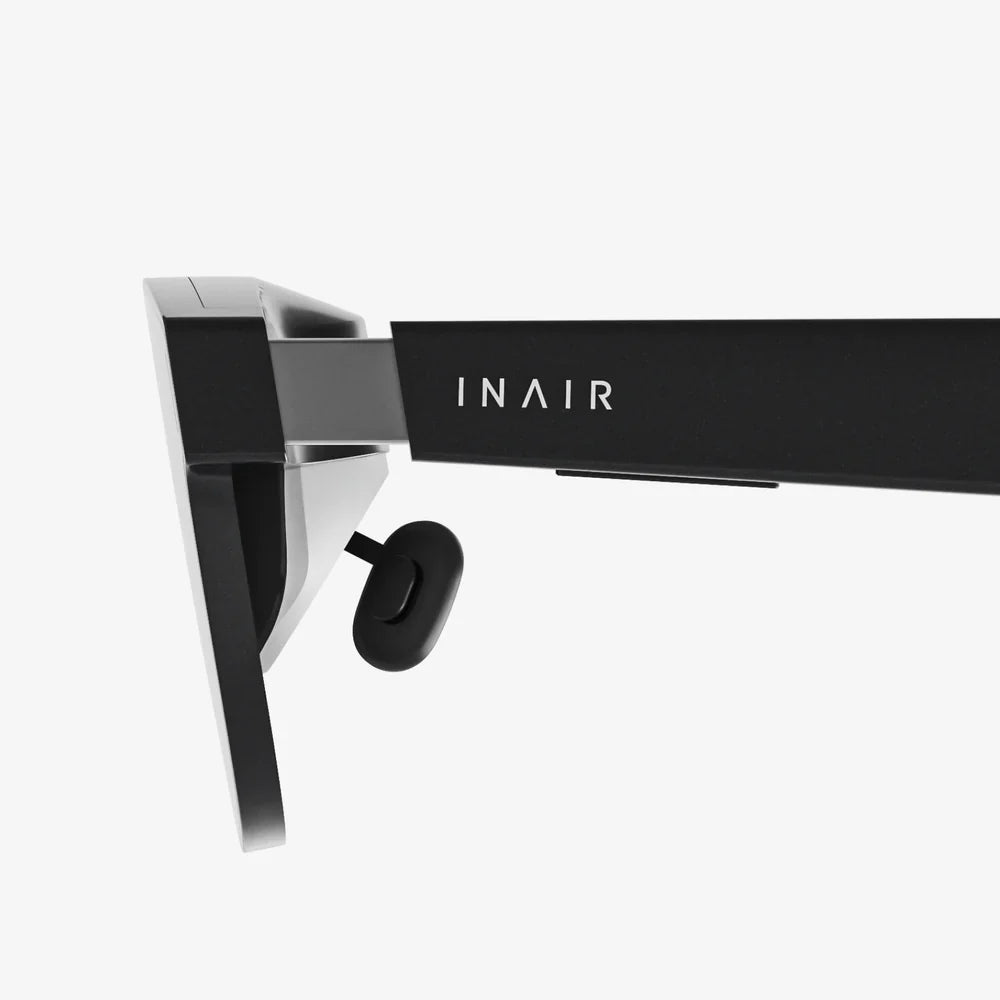
While still emerging, immersive technologies like Virtual Reality (VR) and Augmented Reality (AR) are moving beyond gaming and into the corporate world. These technologies promise to bridge the gap between physical and digital collaboration. Imagine putting on a headset to join a virtual meeting room where 3D models can be manipulated by the entire team, or using AR glasses to overlay schematics for a remote engineer assisting with a equipment repair. These "metaverse" spaces aim to recreate the serendipity and nuanced interaction of physical presence, making remote collaboration more natural and effective for complex tasks.
Unified, Secure, and Frictionless Access
As the number of SaaS applications used by a single employee skyrockets, the digital workplace has become fragmented and complex. The leading response to this chaos is a push towards unification and seamless access.
The Digital Platform and Super-App
Organizations are moving away from a disjointed collection of point solutions and towards integrated digital platforms or "super-apps" for work. These platforms provide a single, unified interface through which employees can access every tool, application, and resource they need. This is powered by robust identity and access management systems that enable Single Sign-On (SSO), eliminating the need to remember dozens of passwords. The goal is to create a consumer-grade experience similar to using a smartphone, where switching between email, a project management tool, and the company directory is intuitive and instantaneous.
Zero Trust Security and the Demise of the Perimeter
The old security model of building a castle wall around a corporate network is obsolete in a world where work happens everywhere. The leading security trend is "Zero Trust," a model that assumes no user or device is inherently trustworthy, whether inside or outside the corporate network. Every access request is rigorously verified, and users are only granted the minimum level of access needed to perform their task. This framework is essential for securing a distributed workforce, ensuring that data remains protected without sacrificing the flexibility and accessibility that modern work requires. Security is becoming seamlessly embedded into the workflow, rather than a disruptive gatekeeper.
Activity-Based Working and the Smart Office
The role of the physical office is being radically reimagined. It is transforming from a default destination for work into a purpose-built tool for specific activities, and its digital and physical infrastructures are merging.
The Office as a Destination for Collaboration
The primary purpose of the physical office is shifting from individual work to fostering human connection, mentorship, and creative collaboration. This has given rise to activity-based working (ABW), where the office is designed with a variety of spaces—focus pods, brainstorming rooms, casual cafés—to support different tasks. Digital experience platforms are crucial here, allowing employees to easily find and book the right space for their needs, see which colleagues are in the office, and order food or services, all from their phone.
IoT and the Connected Workspace
The physical workspace is becoming smarter and more responsive through the Internet of Things (IoT). Sensors can monitor desk and room occupancy, allowing for efficient space management and cleaning. Smart lighting and climate control can adjust automatically to preferences and presence, improving comfort and reducing energy consumption. Employees can use digital apps to personalize their environment, such as adjusting the temperature at their desk or finding the quietest area to work. This creates a more comfortable, efficient, and sustainable workplace that actively enhances the employee experience.
The future of work is not about choosing between the office and home, or between humans and AI. It's about synthesis. The leading trends in digital workplace experience are weaving together intelligence, empathy, and seamless technology to create a work environment that is fundamentally more adaptive, supportive, and powerful. This is the new battleground for talent and innovation. The organizations that master this alchemy—blending cutting-edge technology with a profound respect for human needs—will not just build a better workplace; they will unlock a transformative and sustainable advantage that defines the next era of business.
Share:
Digital Collaboration in the Workplace: The Future of Productivity and Innovation
Augmented Reality and Virtual Reality Lens Market: Shaping the Future of Digital Perception