


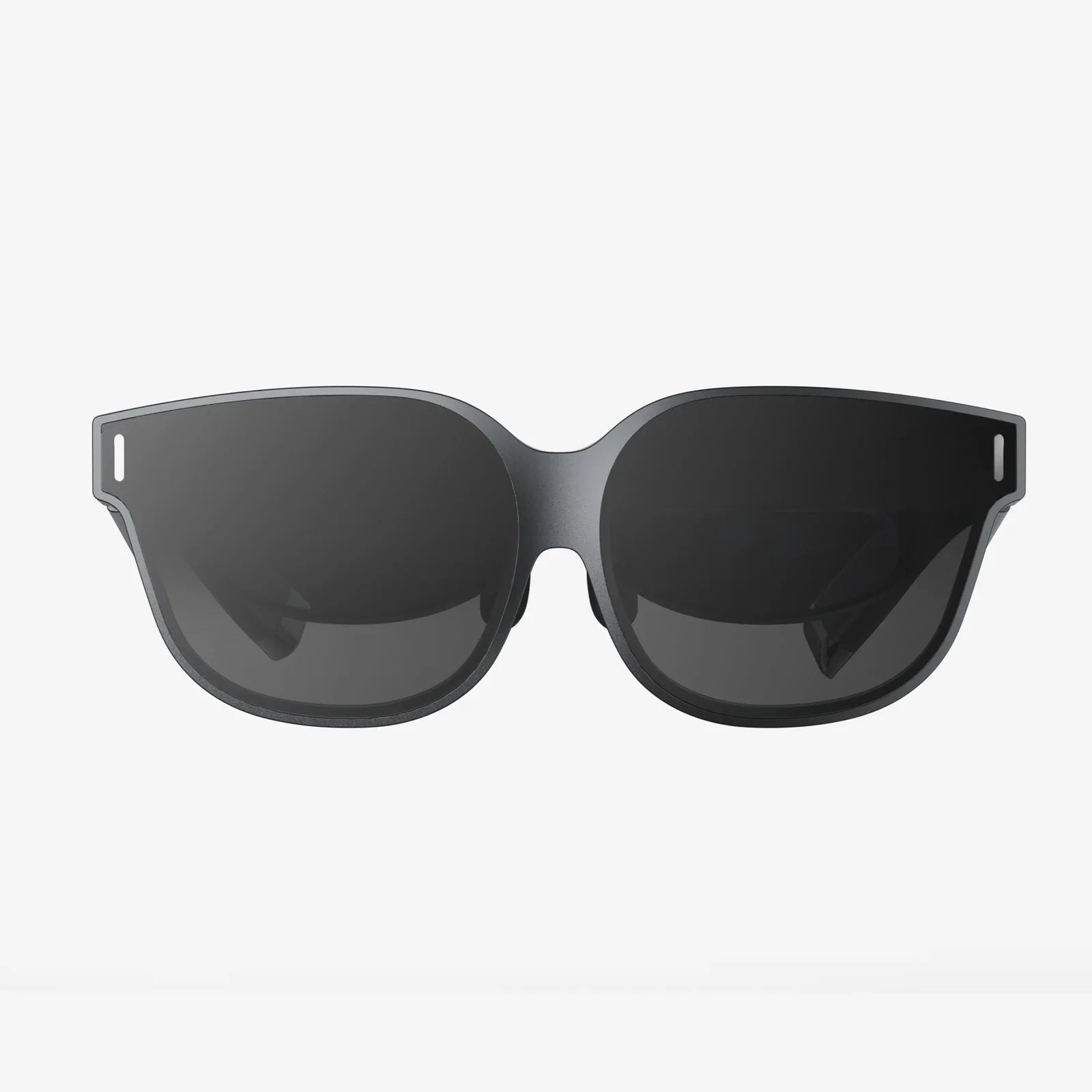
You’ve seen the future in movies, read about the metaverse in headlines, and now you’re ready to take the plunge. But with a market bursting with options, all promising unparalleled immersion, a single, crucial question blocks your path to another dimension: what are the top virtual reality headsets actually worth your investment? This isn't just about picking a device; it's about choosing your gateway to new worlds, and the answer is more nuanced than a simple list. The "best" headset is a deeply personal choice, a triangle of compromises between raw power, effortless accessibility, and, of course, your budget. This definitive guide will cut through the marketing hype to explore the elite contenders that are defining the current VR era, not by handing you a ranked list, but by giving you the tools to crown your own champion.
The Contenders: A New Era of Virtual Reality
The virtual reality landscape has dramatically evolved from the clunky, experimental prototypes of a decade ago. Today's market is segmented into distinct tiers, each catering to a different philosophy of immersion. We have moved beyond mere novelty into an age of refined purpose, where headsets are designed with specific experiences and users in mind. The competition is no longer about who has VR, but who has the best VR for you.
Defining the Elite: What Makes a Headset "Top Tier"?
Before diving into the specifics, it's essential to understand the criteria that separate the exceptional from the merely adequate. A top-tier headset excels in several key areas:
- Visual Fidelity: High resolution, minimal screen-door effect, vibrant colors, and a wide field of view are paramount for belief-suspending immersion.
- Performance & Tracking: Smooth, high-frame-rate performance powered by capable hardware, coupled with precise, low-latency tracking of the headset and controllers.
- Comfort & Design: VR sessions can last hours. A well-balanced, lightweight design with quality materials is non-negotiable for long-term enjoyment.
- Software Ecosystem: A robust library of games, applications, and social experiences is what gives the hardware its soul and purpose.
- Innovation & Features: Features like advanced haptic feedback, eye-tracking, facial expression capture, and mixed reality capabilities define the cutting edge.
The Standalone Sovereign: The All-in-One Powerhouse
This category represents the most accessible and popular segment of the market. These devices require no external sensors or a powerful computer; everything needed to run the experience is built directly into the headset. They represent freedom and simplicity, offering a high-quality VR experience straight out of the box.
Key Features and Benefits:
The appeal of a standalone device is undeniable. It offers a completely wireless, untethered experience, allowing users to roam freely in their play space without fear of tripping over cables. Setup is typically quick and intuitive, often taking just minutes. The curated software stores, while sometimes more closed than open PC platforms, ensure a consistent and optimized experience for every user. For the vast majority of people seeking a premium VR experience without technical complexity, this category is the first and best stop.
Considerations:
While incredibly powerful for their form factor, standalone headsets are ultimately mobile devices. Their processing power, though impressive, cannot match a high-end gaming PC. This means that graphically intensive games will often have reduced visual effects, lower polygon counts, or simpler environments compared to their PC-powered counterparts. The battery life is also a finite resource, typically offering two to three hours of continuous use per charge.
The PC-Connected Behemoth: The Fidelity King
For those who demand the absolute pinnacle of visual performance and computational power, the PC-connected headset remains the undisputed champion. These devices act as high-resolution displays and sensors, offloading all the processing work to a powerful desktop computer. This symbiosis allows for the most detailed, complex, and visually stunning virtual worlds available today.
Key Features and Benefits:
The primary advantage here is raw power. By leveraging top-tier graphics cards and processors, these setups can deliver breathtaking realism, incredibly high resolutions, and buttery-smooth frame rates that are essential for both hardcore gaming and professional simulation. They often feature the widest fields of view, making the virtual world feel more expansive and less like looking through a pair of binoculars. The software library is vast, encompassing everything from massive AAA game titles to specialized professional software for architecture, design, and medical training.
Considerations:
The trade-off for this supreme fidelity is cost and complexity. The headset itself is often just one part of a much larger financial investment that includes building or buying a VR-ready gaming PC. The experience is also tethered; a cable connects the headset to the computer, which can break immersion and poses a tangling hazard. Setup involves placing external base stations or sensors around the room for tracking, a process that is more involved than the inside-out tracking used by standalone devices.
The Professional's Choice: Beyond Gaming
Virtual reality's impact extends far beyond the realm of entertainment. A specialized class of headsets has emerged to serve the demanding needs of enterprise, research, and professional applications. These devices prioritize features like ultra-high resolution for reading fine text, advanced eye-tracking for user interaction studies, and precise tracking for collaborative design and training.
Key Features and Benefits:
Headsets in this category are engineered for accuracy and productivity. They often boast the absolute highest-resolution displays on the market, making them ideal for architects examining detailed building models, surgeons studying 3D anatomical scans, or engineers manipulating complex machinery. Features like integrated lip- and eye-tracking are not just for social avatars; they are used for biometric feedback, focus group analysis, and hands-free control of software. Build quality is typically more robust, designed for all-day use in a commercial setting.
Considerations:
These benefits come at a premium price point that places them far outside the budget of the average consumer. The software they run is highly specialized and often proprietary. For a user whose primary goal is playing games or socializing, the advanced features of a professional headset would be largely unused and not worth the significant extra cost.
The Future is Now: The Rise of Mixed Reality
A new frontier is rapidly emerging that blurs the line between the virtual and the physical: mixed reality (MR). While VR completely replaces your vision with a digital world, MR uses high-resolution, pass-through video cameras to digitally augment your real environment. Imagine placing a virtual television on your real wall, battling digital robots that scramble over your actual furniture, or learning to repair an engine with interactive holograms overlaid on the physical machinery.
Key Features and Benefits:
MR headsets contain sophisticated sensors that continuously map your physical space, allowing digital objects to interact with it in believable ways. They understand the geometry of your room, enabling virtual objects to occlude behind real-world couches or sit stably on your table. This technology vastly expands the potential use cases for headsets, transforming them from pure escape mechanisms into tools for productivity, creative design, and new forms of localized, contextual entertainment.
Considerations:
As a nascent technology, the library of dedicated MR content is still growing. The quality of the pass-through video—how clearly you can see your real world through the headset—varies significantly between devices. The most immersive MR experiences also require significant processing power to fuse the real and digital worlds seamlessly.
Making Your Choice: It’s About Your Reality
So, what are the top virtual reality headsets? As we've seen, the answer is fragmented across different paradigms of use. The best choice hinges on answering a few fundamental questions about yourself:
- What is your top priority? Is it effortless convenience and wireless freedom, or is it uncompromising visual fidelity and performance above all else?
- What is your budget? Remember to consider the total cost of ownership, including the price of a VR-ready PC if you opt for a tethered headset, and the inevitable purchase of software and accessories.
- Where will you use it? Do you have a large, clear play space for room-scale adventures, or are you looking for a more stationary experience?
- What do you want to do? Are you a hardcore gamer, a socializer, a fitness enthusiast, or a creative professional? Your target experiences will point you toward the ecosystem that serves them best.
There has never been a better time to step into virtual reality. The technology has matured, the content libraries are rich and diverse, and the hardware available today represents the most accessible, powerful, and awe-inspiring generation yet. Each top headset on the market is a key to a different door in the metaverse. Your journey begins not by finding the "best" key, but by finding the one that fits your lock perfectly. The digital frontier awaits your unique presence—all that's left is to choose your portal and take the first step.
Share:
Working of Touch Sensor: The Invisible Technology Powering Our Modern World
Smart Touch Sensor Technology: Revolutionizing Interaction in an Invisible World