


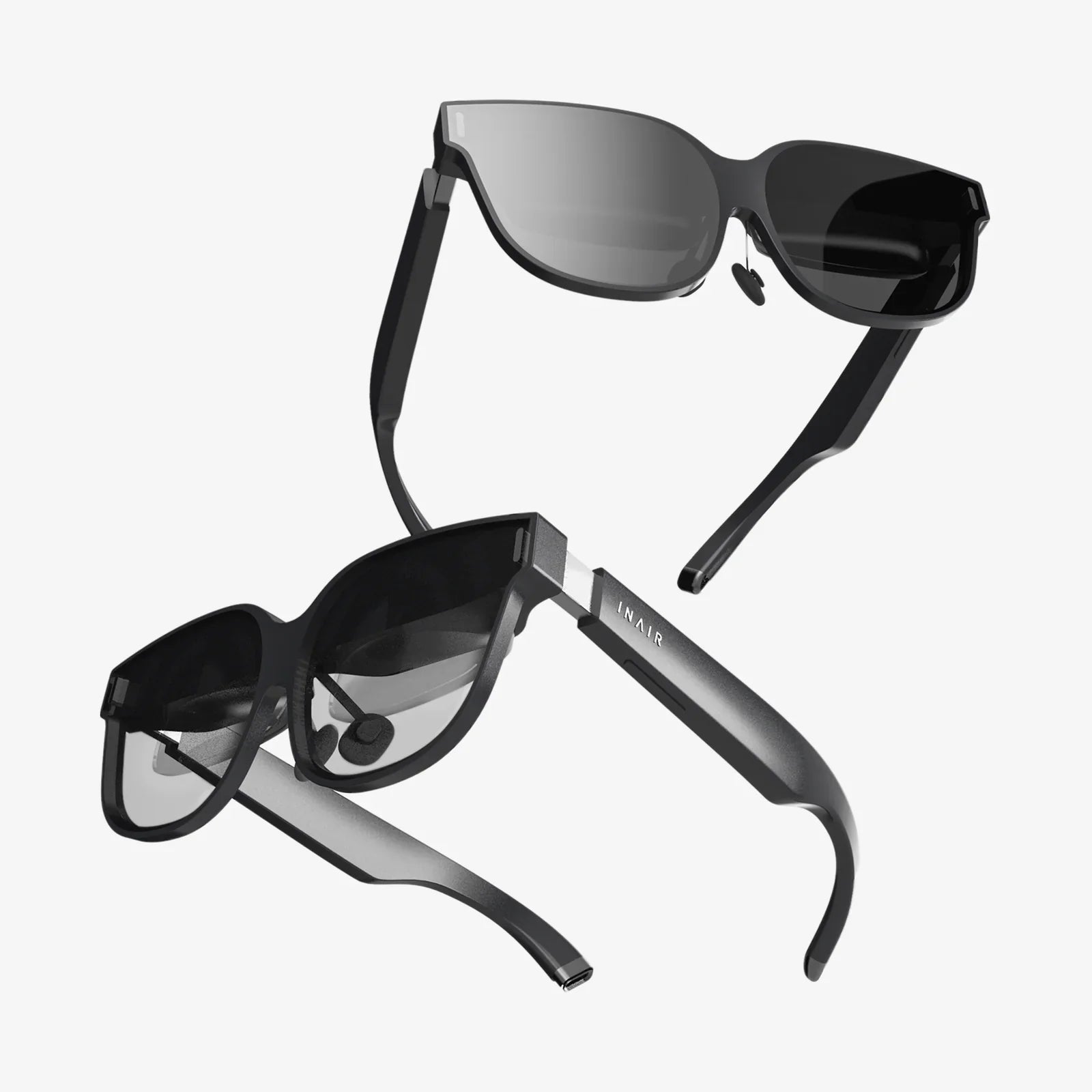
Imagine slipping on a device and instantly being transported to the summit of Mount Everest, the surface of Mars, or the operating room of a world-class surgeon. This is no longer the stuff of science fiction; it's the immediate, awe-inspiring reality offered by a modern virtual reality headset. The question isn't just about what this technology is, but what incredible feats it can accomplish, reshaping our perception of entertainment, work, and human connection itself. The journey into its capabilities is a deep dive into a future that is already here.
A Portal to New Worlds: The Entertainment Revolution
The most widely recognized application of VR technology lies in the realm of entertainment, where it acts as the ultimate vehicle for escapism and immersion.
Gaming Beyond the Screen
Gaming is fundamentally transformed by a VR headset. It moves the player from a passive observer outside a screen to an active inhabitant within a digital universe. Instead of pressing a button to swing a sword, you physically perform the motion. Instead of using a joystick to steer a car, you grip a virtual wheel and feel the rumble of the road. This embodiment is the core of VR's power in gaming. It fosters a level of presence and engagement that flat screens cannot match, triggering genuine physiological responses—the adrenaline rush of a horror game, the vertigo from a great height, the thrill of a high-speed chase. From intricate puzzle rooms that you manipulate with your own hands to epic adventures where you are the hero, VR gaming is a full-body, psychologically profound experience.
Cinematic Experiences and Live Events
Beyond gaming, VR headsets are redefining narrative storytelling. Imagine watching a film not from a theater seat, but standing alongside the characters, able to look around and explore the environment as the story unfolds. This is 360-degree video, a format that places you at the center of the action. Furthermore, VR becomes a front-row ticket to otherwise inaccessible events. You can attend a live concert from your living room, feeling as if you're in the mosh pit with the crowd roaring around you. You can have a courtside view at a major sporting event or a seat in a prestigious virtual theater watching a play performed just for you. This democratization of experience breaks down geographical and financial barriers to culture and entertainment.
Knowledge at Your Fingertips: Education and Training
Perhaps one of the most impactful applications of VR is in the field of learning, where it moves education from theoretical abstraction to tangible, experiential practice.
Immersive Learning Environments
A VR headset can function as a time machine, a spaceship, and a laboratory all in one. Students are no longer limited to reading about ancient Rome; they can walk its streets, hear the sounds of the forum, and witness history firsthand. Medical students can practice complex surgical procedures on detailed virtual patients, making mistakes and learning from them without any risk to a living person. Aspiring mechanics can disassemble and reassemble intricate engine models, and chemistry students can conduct volatile experiments in a safe, virtual space. This learning-by-doing approach, known as experiential learning, significantly improves knowledge retention and understanding.
Professional and Skill-Based Training
The corporate and industrial worlds are rapidly adopting VR for training purposes. Companies use VR to train employees in high-risk jobs—such as offshore oil rig workers, emergency responders, or pilots—by simulating dangerous scenarios in a completely controlled environment. This allows for the practice of safety protocols and emergency responses, building muscle memory and confidence without exposing trainees to actual danger. Similarly, VR is used for soft skills training, such as public speaking, where individuals can practice presentations in front of a virtual audience, or for customer service reps to handle difficult interactions in a simulated setting.
Bridging the Distance: Social Connection and Collaboration
In an increasingly globalized yet physically distant world, VR offers a powerful new medium for human interaction that goes far beyond a video call.
The Rise of the Social Metaverse
VR social platforms allow users to create digital avatars and interact with others in shared virtual spaces. The key differentiator is a sense of shared presence. You're not just looking at a video of a friend; you're sitting across from their avatar in a virtual cafe, making eye contact, using natural gestures, and feeling as if you are truly together. This has profound implications for maintaining long-distance relationships, connecting people with shared interests from across the globe, and combating loneliness. These virtual hangout spaces can be anything from a serene beach to a custom-designed game room, limited only by imagination.
Remote Work and Virtual Collaboration
The future of work is being shaped by VR. Instead of a grid of faces on a video conferencing screen, teams can meet in a virtual boardroom where 3D models of products can be pulled apart and examined from every angle, architectural plans can be walked through at full scale, and data visualizations can be explored in three dimensions. This spatial collaboration allows for a much more intuitive and effective exchange of ideas than traditional remote tools. Designers, engineers, and scientists can collaborate on complex projects as if they were in the same physical room, regardless of their actual locations, saving time, resources, and travel costs.
Healing and Understanding: Healthcare and Therapy
The therapeutic potential of VR is vast and is already providing tangible benefits in clinical settings, offering new hope and innovative treatment methods.
Exposure Therapy and Phobia Treatment
VR exposure therapy is a groundbreaking tool for mental health professionals. It allows them to create controlled, safe environments for patients to confront their fears. Someone with a fear of flying can gradually experience the process of taking off and flying in a virtual plane. Someone with acrophobia (fear of heights) can practice standing on virtual balconies of increasing height. A veteran with PTSD can be carefully exposed to triggering scenarios in a manageable way to process trauma. The therapist can control every aspect of the environment, ensuring the patient's safety while guiding them through the therapeutic process.
Pain Management and Physical Rehabilitation
VR has proven to be a powerful tool for distraction, which makes it highly effective for pain management. Patients undergoing painful wound care or physical therapy can be immersed in a calming, engaging virtual experience that significantly reduces their perceived pain levels and anxiety. In physical rehab, VR games can turn repetitive and often tedious exercises into engaging activities. A patient recovering from a stroke might play a game that requires them to reach for virtual objects, effectively disguising their physical therapy regimen as play, which increases motivation and improves outcomes.
Unleashing Creativity: Design and Art
VR is not just a consumption device; it is a powerful canvas and toolkit for creators, offering entirely new mediums for artistic and design expression.
Sculpting in Virtual Space
Artists can step inside their canvases and create 3D sculptures, paintings, and installations in a completely immersive space. They can work at any scale, from life-sized statues to monumental architectures, using intuitive motion controls to shape, paint, and manipulate virtual materials. This removes the physical and financial constraints of traditional art supplies and studio space. Musicians can compose in 3D soundscapes, and filmmakers can storyboard and block out scenes in a virtual version of their set, previsualizing camera angles and actor movements with unprecedented clarity.
Architecture, Engineering, and Prototyping
For architects and designers, VR is an indispensable prototyping tool. Clients can don a headset and take a full-scale walkthrough of a building long before the foundation is ever poured. They can experience the flow of space, the quality of light, and the overall feel of the design, allowing for feedback and changes at a stage when they are still easy and inexpensive to make. Car designers can sit inside the virtual model of a vehicle, and engineers can spot potential flaws in a complex machinery design by examining it from the inside out, saving millions in development costs.
Pushing the Boundaries: The Future of VR Potential
The technology continues to evolve at a breakneck pace, and its future capabilities promise to further blur the line between the digital and the physical.
Enhanced Realism and Haptic Feedback
Future iterations of VR will move beyond visual and auditory immersion. Advanced haptic feedback suits and gloves will allow users to feel the texture of virtual objects, the resistance of a virtual tool, and the impact of a virtual punch. This will deepen the sense of presence and open up new applications in training, design, and communication. The integration of eye-tracking and facial expression tracking will make avatars more lifelike and interactions more nuanced, capturing the subtle non-verbal cues that are essential for communication.
Augmented Reality and the Blended World
The line between Virtual Reality (fully digital) and Augmented Reality (digital overlays on the real world) is beginning to blur. Advanced headsets are starting to offer passthrough video capabilities, allowing users to see their physical surroundings with digital enhancements layered on top. This points towards a future of mixed reality, where a VR headset could project a virtual workstation onto your real desk, allow a remote colleague to appear as a hologram in your living room, or provide interactive repair instructions overlaid directly onto a broken engine. This fusion of realities will unlock practical, everyday uses for the technology that seamlessly integrate into our lives.
The true power of a VR headset lies not in the hardware itself, but in its function as a key—a key that unlocks doors to impossible places, facilitates profound human connection, accelerates learning, and provides powerful tools for healing and creation. It is a testament to human ingenuity, a canvas for our imagination, and a bridge to experiences we once thought were forever out of reach. As the technology continues to evolve, becoming more accessible, comfortable, and powerful, the question will slowly shift from "What can a VR headset do?" to "What can we not do with it?" The journey into its virtual realms is just beginning, and its ultimate destination is limited only by the breadth of our collective creativity.
Share:
XR VR Industry News Today: The Metaverse Momentum and Market Realities
T Mobile VR Headset: Your Ultimate Portal to Immersive Entertainment and Connectivity