


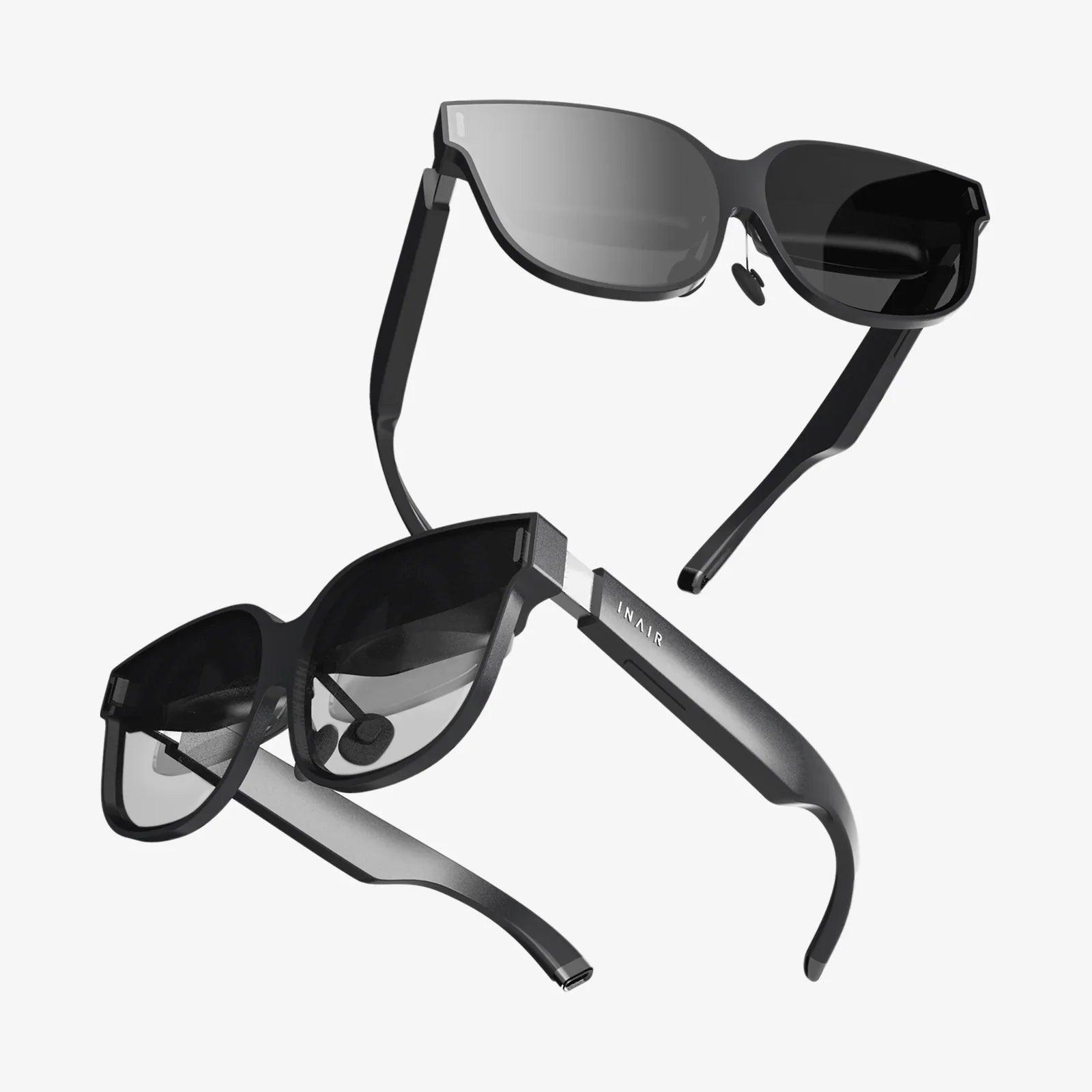
Imagine slipping on a pair of sleek, unassuming goggles and instantly being transported—not just to another place, but to another reality. This is no longer the stuff of futuristic novels; it is the tangible power of virtual reality goggles, a technology that is rapidly weaving itself into the very fabric of our society. From healing minds to training surgeons, from preserving ancient history to designing the cities of tomorrow, the applications of this immersive technology extend far beyond the realm of entertainment, promising to revolutionize how we live, learn, work, and connect.
Revolutionizing Healthcare: From Treatment to Rehabilitation
The healthcare sector has emerged as one of the most promising frontiers for virtual goggles, offering solutions that are both innovative and profoundly human.
Exposure Therapy and Mental Health
Clinicians are now using controlled virtual environments to treat conditions like phobias, anxiety, and post-traumatic stress disorder (PTSD). A patient with a fear of heights can gradually acclimate to virtual balconies and bridges, all from the safety of their therapist's office. For those grappling with PTSD, particularly veterans, carefully reconstructed virtual scenarios allow them to process traumatic memories in a safe and controlled manner, facilitating a powerful form of exposure therapy that was previously difficult to administer.
Surgical Training and Medical Education
Medical students and seasoned surgeons alike are benefiting from hyper-realistic virtual simulations. Instead of practicing on cadavers or relying solely on observation, trainees can perform complex procedures repeatedly without risk to a live patient. This hands-on, immersive practice hones their skills, improves spatial understanding of human anatomy, and reduces errors in the actual operating room. Furthermore, live surgeries can be streamed in virtual reality, allowing medical students from around the world to observe procedures from the best vantage point—as if they were standing right over the surgeon's shoulder.
Physical Rehabilitation and Motor Skills
Recovering from a stroke or a severe injury is often a long and monotonous process. Virtual goggles are transforming physical therapy into an engaging and motivating experience. Patients can be tasked with virtual games that require them to perform specific therapeutic movements, turning repetitive exercises into a fun challenge. This gamification not only improves patient adherence to their therapy regimen but also accelerates recovery by leveraging the brain's neuroplasticity in an enriched, interactive environment.
Pain Management and Distraction Therapy
Studies have shown that immersive virtual reality can be a powerful tool for pain management. For patients undergoing painful wound care procedures or suffering from chronic pain, being immersed in a calming virtual world—like a serene beach or a peaceful forest—can significantly reduce their perception of pain. This non-pharmacological intervention provides a welcome alternative to opioid use, offering distraction and cognitive refocusing that can alleviate suffering.
Transforming Education and Professional Training
The classroom is being redefined by virtual reality, moving learning from passive observation to active participation.
Immersive Learning Experiences
History students can don virtual goggles to walk through ancient Rome, witnessing the construction of the Colosseum. Biology students can shrink down to the cellular level to witness mitosis firsthand or journey through the human bloodstream. This level of immersion creates powerful, memorable learning experiences that transcend textbooks and videos, fostering deeper understanding and retention of complex subjects.
Skill-Based and Vocational Training
Beyond academic subjects, virtual reality is perfect for high-stakes vocational training. Aspiring welders, electricians, and mechanics can practice their skills in a virtual environment where mistakes have no real-world consequences. They can learn the intricacies of assembling a complex engine or troubleshooting an electrical panel, receiving instant feedback and guidance within the simulation. This drastically reduces training costs for materials and equipment while standardizing a high level of training quality.
Corporate and Soft Skills Training
In the corporate world, virtual goggles are being used for everything from onboarding new employees to conducting emergency drills. Employees can practice public speaking by delivering a presentation to a virtual audience, or navigate difficult conversations through role-playing with AI-powered virtual characters. This provides a safe space to build confidence and competence before applying these skills in real-life situations.
Redefining Remote Work and Collaboration
The concept of the office is being upended, and virtual reality is at the forefront of this change, offering a sense of presence that video calls simply cannot match.
The Virtual Office and Presence
Virtual goggles enable the creation of persistent virtual workspaces where remote teams can meet and collaborate. Instead of looking at a grid of faces on a screen, colleagues from across the globe can feel as if they are sitting around the same table in a custom-designed virtual boardroom. They can share and manipulate 3D models, brainstorm on virtual whiteboards, and interact with body language and avatars, fostering a much stronger sense of teamwork and presence.
Design and Architecture
Architects, engineers, and interior designers are using virtual reality to step inside their creations long before the first brick is laid. Clients can take a guided tour of their future home, experiencing the scale, lighting, and flow of the space in a way that blueprints or 3D renders could never convey. This allows for informed feedback and design changes early in the process, saving significant time and resources.
Expanding Social Connection and Experience
At its core, virtual reality is a social technology, offering new ways for people to connect and share experiences regardless of physical distance.
Virtual Social Platforms and Events
Dedicated social virtual reality platforms allow users to gather as avatars for a vast array of activities. Friends can meet up to watch a movie in a virtual cinema, attend a live concert with thousands of other fans from around the world, or simply hang out in a virtual park. For individuals with mobility issues or those who live in remote areas, this technology can be a lifeline, mitigating loneliness and fostering a genuine sense of community and belonging.
Travel and Cultural Exploration
Virtual reality has the potential to make the world more accessible. Those who cannot travel due to physical or financial constraints can explore the world's greatest museums, natural wonders, and historical sites through immersive 360-degree experiences. This democratizes access to culture and education, fostering greater global awareness and understanding. Furthermore, it can serve as a powerful tool for cultural preservation, creating detailed digital archives of endangered sites for future generations.
Navigating the Challenges and Ethical Considerations
Despite its immense potential, the widespread integration of virtual goggles into society is not without significant challenges that must be thoughtfully addressed.
The Privacy Paradox
Virtual reality headsets are data collection powerhouses. They track not only your location and movement within a virtual space but also extremely sensitive biometric data: your eye gaze, pupil dilation, hand gestures, and even vocal inflections. This data can be used to infer your emotional state, attention level, and preferences with startling accuracy. The question of who owns this data, how it is stored, and how it might be used (or misused) for advertising, manipulation, or surveillance is one of the most pressing ethical dilemmas facing the industry.
The Reality of the Physical World
As virtual worlds become more compelling, there is a risk of individuals withdrawing from physical reality. Prolonged use can lead to a phenomenon known as "virtual reality hangover," where users experience disorientation and difficulty adjusting back to the real world. More seriously, it could exacerbate social isolation for some, replacing genuine human interaction with simulated versions. Ensuring that this technology enhances our real lives rather than serving as an escape from them is a critical balance to strike.
Accessibility and the Digital Divide
There is a real danger that the benefits of virtual reality could become a privilege for the wealthy, exacerbating existing social and economic inequalities. High-quality equipment and the powerful computing required are still significant financial investments. If crucial services like advanced healthcare, elite education, and key professional networking move into virtual spaces, a new "virtual divide" could emerge, leaving behind those who cannot afford access.
Psychological and Physical Health Impacts
Beyond addiction, other psychological effects need study. How does long-term immersion affect our perception of self (via avatars) and our relationships with others? Physically, issues like simulator sickness (a form of motion sickness), eye strain, and the potential for accidents while blinded to the real world are ongoing concerns that manufacturers and developers continue to work to mitigate.
The journey of virtual goggles from a niche gaming peripheral to a societal cornerstone has already begun, and its trajectory is limited only by our imagination. This is not a technology to be passively consumed, but a powerful tool to be actively shaped. The virtual frontier is open, waiting for us to build a future that is more connected, more empathetic, and more profoundly human than ever before.
Share:
What Is a VR Headset Compatible With - The Ultimate Guide to Your Virtual World
What Is a VR Headset Compatible With - The Ultimate Guide to Your Virtual World