


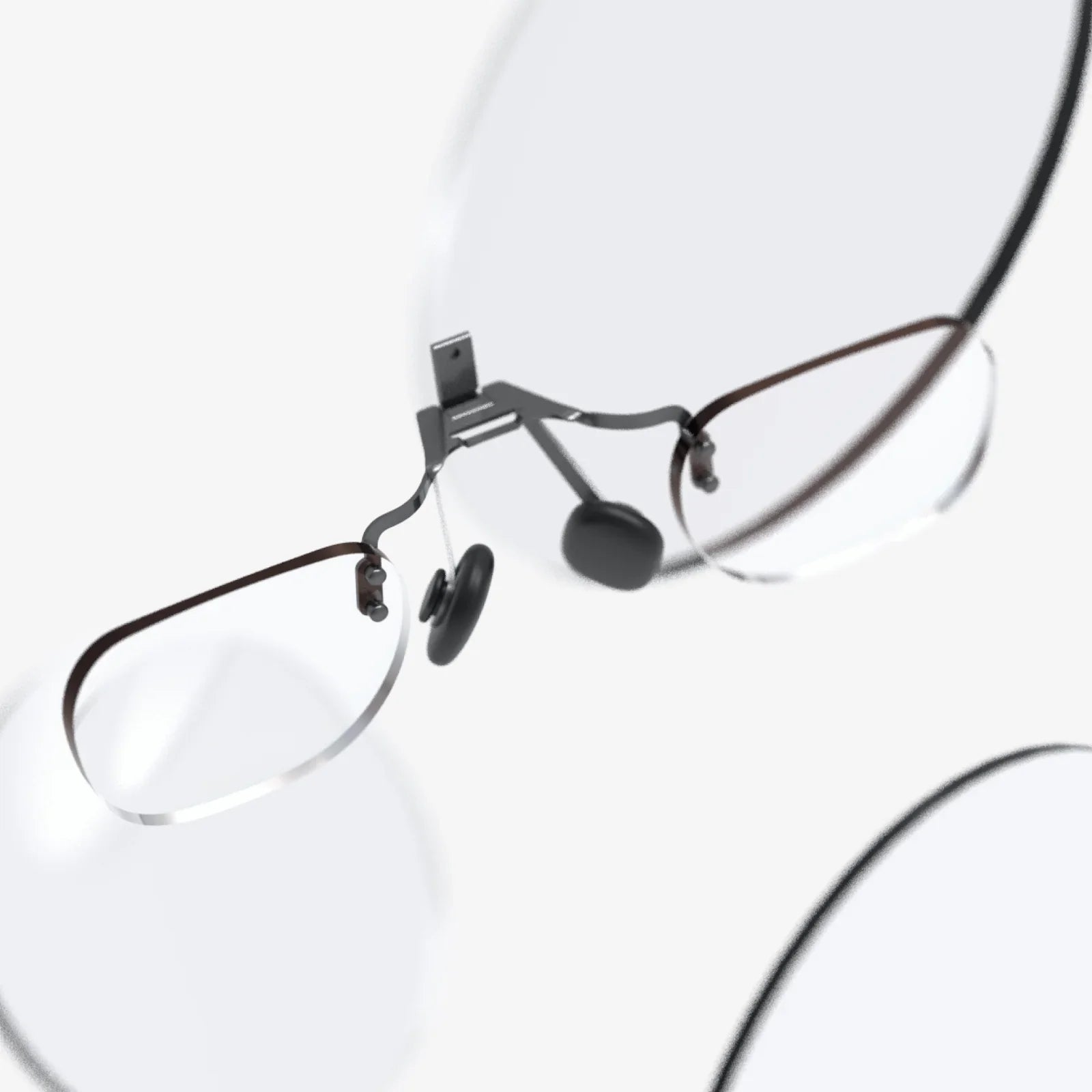
Imagine slipping on a pair of goggles and instantly being transported to the front row of a concert, the surface of Mars, or the operating room of a world-class surgeon. This is no longer the stuff of science fiction; it's the captivating reality offered by modern virtual reality goggles. The question on everyone's mind is shifting from 'what are they?' to a much more exciting and practical one: what can you use virtual reality goggles for? The answer is as vast and varied as human imagination itself, stretching far beyond initial perceptions to redefine entire industries and reshape how we connect, learn, and experience the world.
The Foundation: Gaming and Entertainment Reimagined
It's impossible to discuss the uses of this technology without first acknowledging its most famous application: immersive entertainment. This is the gateway for many into the world of VR, and it remains a powerhouse of innovation and engagement.
A New Dimension in Gaming
Gaming within a virtual environment is a paradigm shift. Instead of controlling a character on a screen, you become the character. Your physical movements—ducking behind cover, swinging a virtual sword, solving a spatial puzzle with your own hands—are directly translated into the game world. This creates an unparalleled level of presence and emotional investment. From heart-pounding horror experiences that feel terrifyingly real to intricate puzzle games that use the full 3D space around you, VR gaming is a full-body, cognitively rich experience that flat screens cannot replicate.
The Ultimate Media Viewer
Beyond interactive games, VR goggles serve as a personal, immersive cinema. You can watch traditional films on a virtual screen the size of a skyscraper, but the true magic lies in experiences built specifically for the medium. Imagine a documentary where you are swimming with whales, not just watching them, or a music video where you stand on stage next to the artist. 360-degree videos and films place you at the center of the action, whether it's a news report from a conflict zone, a live sports event from the best seat in the stadium, or a narrative film where you choose where to look. This form of empathetic storytelling has the power to foster deeper understanding and connection than any traditional format.
Transforming Education and Professional Training
Perhaps the most profound applications of VR lie in its ability to teach, train, and enhance human capability. It provides a safe, scalable, and incredibly effective platform for practicing complex and dangerous tasks.
Classrooms Without Borders
Education is being revolutionized. Students are no longer limited to textbooks and videos. They can take a virtual field trip to ancient Rome, walking through the Forum and witnessing history unfold. Medical students can dissect a virtual cadaver, exploring human anatomy in intricate 3D detail from every possible angle. Astronomy classes can become journeys through the solar system, with students able to manipulate planets and observe cosmic events up close. This experiential learning boosts retention, engagement, and comprehension by making abstract concepts tangible and unforgettable.
High-Stakes Training in Zero-Risk Environments
Across numerous professions, VR is saving lives and resources by providing risk-free training simulations. Surgeons can practice complex procedures on virtual patients, honing their skills without any danger. Aspiring pilots can log hours in highly realistic cockpit simulators that respond accurately to their actions. Firefighters can train for navigating zero-visibility, burning buildings. Police officers can de-escalate tense situations in a hyper-realistic virtual environment. In each case, mistakes become valuable learning moments rather than catastrophic failures, and muscle memory is developed in a way that directly translates to the real world.
Revolutionizing Healthcare and Therapy
The healthcare industry has embraced VR not just for training, but also for treatment, therapy, and rehabilitation, demonstrating its incredible therapeutic potential.
Exposure Therapy and Mental Wellness
Psychologists and therapists are using VR to treat conditions like phobias (fear of heights, flying, spiders), PTSD, and anxiety disorders through controlled exposure therapy. A patient with a fear of public speaking can gradually practice in front of a virtual audience, with the therapist able to control the size and responsiveness of the crowd in real-time. This safe, graduated exposure is highly effective. Furthermore, VR is being used for mindfulness and meditation, transporting users to serene beaches or peaceful forests to aid in stress reduction and mental wellness exercises.
Physical Rehabilitation and Motor Skills
For patients recovering from strokes, spinal cord injuries, or surgeries, VR gamifies physical therapy. Exercises that were once tedious and repetitive become engaging games—a patient relearning to use an arm might be virtually catching butterflies or stacking blocks. This "gamification" dramatically increases patient motivation and adherence to therapy regimens, while providing clinicians with precise data on range of motion and progress. It also allows for remote therapy sessions, where a therapist can guide a patient through exercises from miles away.
Powering Enterprise and Remote Collaboration
The corporate world is leveraging VR to enhance productivity, streamline design processes, and reinvent the concept of the meeting, especially in the age of remote work.
Design, Prototyping, and Architecture
Architects, engineers, and designers are using VR to step inside their creations long before they are built. An architect can walk a client through a full-scale model of a new building, allowing for changes to be made in real-time. Car designers can sit inside the virtual cockpit of a new vehicle prototype to assess ergonomics and aesthetics. This not only saves immense amounts of time and money on physical prototypes but also leads to better-designed, more human-centered products and spaces.
The Virtual Workspace
Remote collaboration is moving beyond video calls. With VR, teams distributed across the globe can meet in a shared virtual boardroom, examine 3D models together, brainstorm on virtual whiteboards, and interact with a sense of presence that Zoom calls lack. Avatars with motion tracking allow for non-verbal cues like nodding and gesturing, making communication more natural and effective. This has the potential to redefine corporate training, global conferences, and daily teamwork, making distance irrelevant.
Social Connection and Experiential Travel
At its core, VR is a social technology, capable of bridging vast physical distances and creating shared experiences that feel genuine.
Social Platforms and Shared Experiences
A new generation of social platforms exists entirely in VR. Users, represented by customizable avatars, can meet friends in virtual worlds to play games, watch movies, attend live concerts, or simply hang out and chat as if they were in the same room. For individuals with mobility issues or those who live far from loved ones, this technology offers a powerful antidote to loneliness and isolation, providing a tangible sense of togetherness and shared presence that other digital communication tools lack.
Travel and Tourism from Your Living Room
VR offers the incredible ability to travel anywhere on Earth—or beyond—instantly. Museums offer virtual tours of their exhibits, allowing you to stroll through the Louvre at your leisure. Travel agencies and tourism boards provide immersive previews of destinations, from snorkeling in the Great Barrier Reef to hiking the Himalayas. While it doesn't replace the feeling of actually being there, it provides access to experiences that might be physically or financially out of reach, and serves as a powerful tool for planning future trips or exploring inaccessible locations.
The Future is Immersive
The trajectory of VR points towards even more seamless and integrated applications. The lines between the physical and digital worlds will continue to blur with advancements in haptic technology (adding touch and feel), eye-tracking, and graphical fidelity. We are moving towards a future where virtual reality goggles could be as commonplace as smartphones, serving as our window to virtual offices, classrooms, doctors' offices, and social spaces.
The true power of this technology lies not in its ability to help us escape reality, but in its profound capacity to enhance our own. It breaks down barriers of distance, cost, and physical limitation, offering new lenses through which to see our world and imagine new ones. From healing minds and bodies to designing the future and connecting us in deeper ways, the question is no longer what you can use virtual reality goggles for, but what incredible application will you experience next? The headset is your passport; the destination is everywhere.
Share:
2D Image to 3D Software: Transforming Flat Pictures into Immersive Digital Worlds
What Is Collaborative Virtual Workspace - The Future of Work