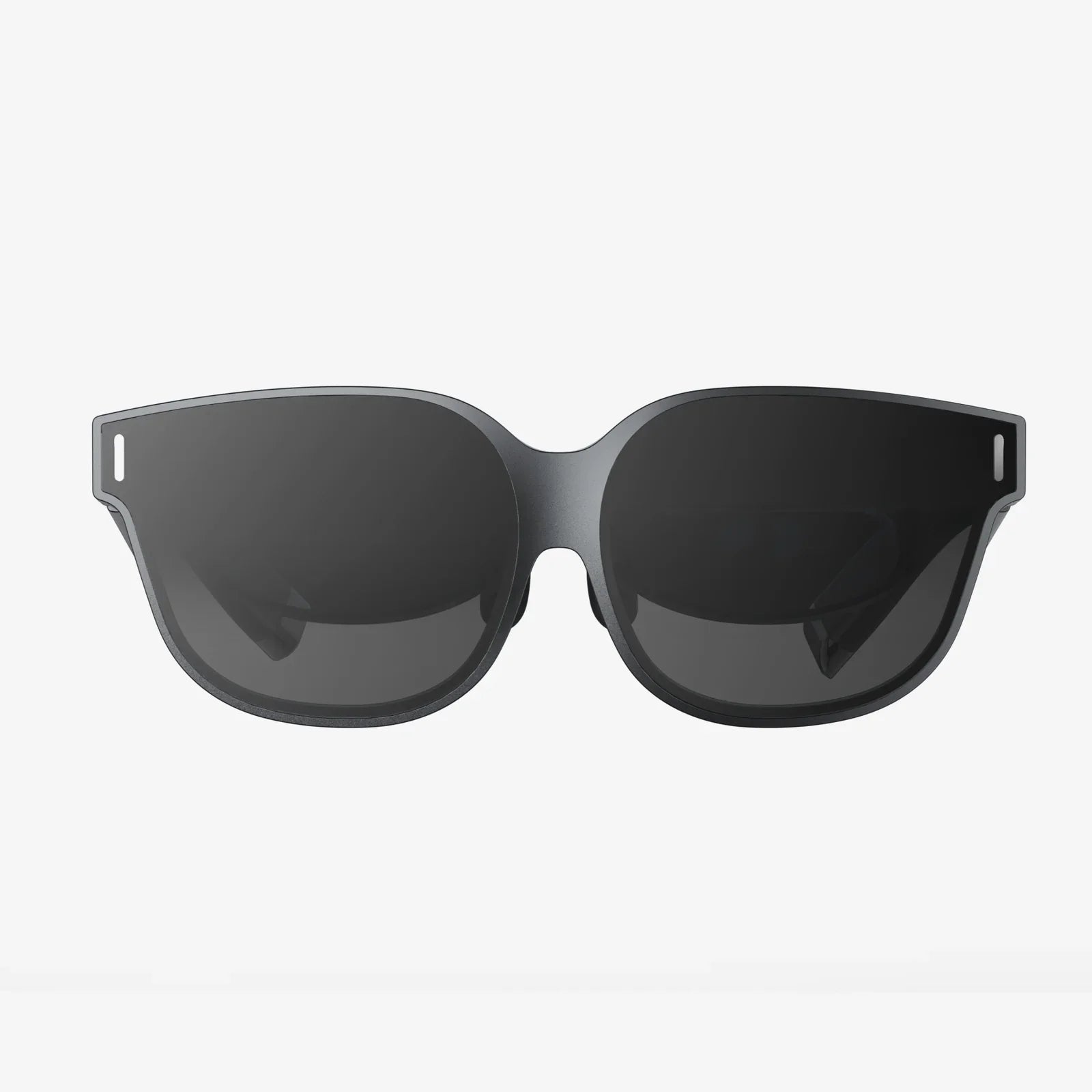
Imagine not just watching a movie, but stepping inside it. Picture yourself not as a spectator at a concert, but on stage with the band. Envision exploring the depths of the ocean or the far reaches of our solar system from your living room. This is no longer the stuff of science fiction; it’s the reality offered by today’s virtual reality headsets. The question is no longer if VR is compelling, but what incredible experiences await within. The library of content is vast, diverse, and growing at an exponential rate, offering something for every curiosity and passion.
The Cinematic Revolution: VR Films and Narrative Experiences
Traditional filmmaking presents a story through a fixed rectangle, a window into another world. VR filmmaking shatters that window, placing you directly into the environment. This creates a profound shift from passive viewing to active presence.
360-Degree Videos: This is one of the most accessible forms of VR video. Creators use special cameras to record everything in every direction simultaneously. As a viewer, you are placed at the center of the action. You can look up, down, and all around to explore the scene. This format is incredibly powerful for documentary filmmaking, allowing you to stand amidst a protest, sit in a rainforest as it teems with life, or witness a historical event recreated around you. News organizations use it to create empathetic, on-the-ground reports from across the globe.
Interactive Storytelling: This is where VR narrative truly diverges from any other medium. Here, you are not just an observer but often a character or a ghostly presence influencing the story. You might need to physically lean in to hear a whispered secret, choose which door to open, or even make eye contact with a digital character to trigger the next story beat. These experiences range from heart-wrenching dramas and chilling horror tales to whimsical animated adventures, all leveraging your agency to create a deeply personal connection to the narrative.
Virtual Cinemas: Sometimes, you just want to watch a standard 2D or 3D movie. VR headsets can transform into your own personal, perfect theater. Applications allow you to stream content from major services onto a giant virtual screen in environments ranging from a moonbase to a cozy loft apartment. It’s the ultimate big-screen experience without the distractions, expensive popcorn, or noisy patrons.
Front Row, Every Time: Live Events and Social Viewing
One of the most socially transformative aspects of VR is its ability to collapse distance and create shared experiences in real-time. The feeling of “being there” for a live event is unparalleled.
Music and Concerts: VR concerts are a game-changer. You can choose your viewpoint: from the middle of the mosh pit, right at the feet of the guitarist, or even from a unique perspective hovering above the stage. Some experiences are live-streamed, allowing fans from across the world to “attend” together. Others are pre-recorded, meticulously crafted productions that incorporate interactive visual effects and animations that would be impossible in the real world. It’s the closest thing to a private show.
Sports: For sports fans, VR is the holy grail. Imagine watching a basketball game from a courtside seat that you could never afford, or feeling the speed of a Formula 1 race from a camera mounted on the driver’s helmet. Broadcasters are experimenting with placing 360-degree cameras in key locations, like behind the goal in soccer or next to the hoop, giving viewers control over their perspective. It offers an intimacy and understanding of the athleticism and strategy that a standard broadcast simply cannot match.
Social Platforms and Watch Parties:
The experience is made richer by sharing it. Dedicated social VR platforms allow you to meet up with friends as personalized avatars. You can hang out in virtual spaces and, crucially, watch content together. You can all join a virtual cinema to watch a movie, attend a live event, or simply share videos on a virtual screen, all while seeing each other’s reactions and chatting as if you were in the same room. It transforms a solitary activity into a vibrant social gathering, bridging the gap for friends and families separated by geography.
Beyond Viewing: The World of Interactive Gaming and Experiences
While often categorized separately, gaming is a cornerstone of the VR content ecosystem and represents some of the most immersive “watchable” content, especially for spectators. Furthermore, many experiences blur the line between game and film.
Interactive Adventures and Games: This is where users become the protagonists. You are the one wielding the lightsaber, solving the intricate puzzle in an escape room, painting in 3D space, or conducting a symphony orchestra. The content is the world you interact with. These are experiences to be played, but they are also incredibly compelling to watch from the outside, as someone else navigates these immersive worlds, making their own choices and discoveries.
eSports and Spectator Modes: Competitive VR gaming is a rapidly growing field. Watching a skilled player navigate a complex game in VR is a spectacle in itself. Many games offer sophisticated spectator modes, allowing you to float around the virtual arena and watch the action from any angle. The physicality of the players adds a layer of engagement that traditional eSports lacks; you can see the dodges, dives, and precise movements required to win.
Expanding Your Mind: Educational and Exploratory Content
Perhaps the most profound use of VR is for education and exploration. It has the unique ability to create embodied learning, where you don’t just learn about something—you experience it.
Virtual Travel and Tourism: You can embark on a guided tour of the ancient pyramids of Giza, walk the streets of Renaissance Venice, or visit the International Space Station—all before lunch. Museums and heritage sites have created stunning VR experiences that preserve and present history in an engaging, accessible way. It’s a powerful tool for those with physical or financial limitations to travel, offering a palpable sense of place that a photograph or video cannot.
Scientific Visualization and Learning: Step inside a human heart and watch blood flow through the valves. Shrink down to the size of a molecule and observe chemical reactions. Stand on the surface of Mars based on real topographic data from NASA rovers. VR allows educators to visualize complex abstract concepts, making them tangible and understandable. Medical students can practice procedures, astronomy students can navigate the solar system, and biology students can interact with complex ecosystems.
Documentaries and Nature Experiences: Partnering with conservation groups, filmmakers are creating powerful VR experiences that transport you into the natural world. Swim alongside whales in the deep blue, stand amongst a herd of elephants on the savanna, or witness the fragile beauty of the Arctic. These experiences are designed not just to inform, but to foster a deep emotional connection and empathy for our planet and its inhabitants, driving home the importance of conservation in a way a traditional documentary can only hint at.
The Cutting Edge: Experimental and User-Generated Content
The VR landscape is not just defined by big studios and corporations. It is a fertile ground for artists and users to experiment and create.
Artistic and Abstract Experiences: Artists are using VR as a new medium for expression. These can be interactive art installations you walk through, mind-bending journeys through abstract shapes and colors synced to music, or narrative-less experiences designed purely to evoke emotion. They challenge our perceptions of what “content” can be and demonstrate the unique emotional power of immersive space.
User-Created Worlds: Platforms exist that give users the tools to build their own virtual spaces and experiences. The content, therefore, becomes limitless, driven by the creativity of the community. You can explore fantastical worlds built by other users, play their games, and experience their stories. This democratization of creation ensures the VR library will never stop growing and evolving in unexpected ways.
The journey into virtual reality is a deeply personal one, a passport to places previously confined to our dreams or history books. From the thrill of a live concert to the quiet awe of exploring a human cell, the headset is merely a gateway. The true magic lies in the ever-expanding library of experiences waiting to be discovered, each offering a new perspective, a new emotion, and a new story in which you are no longer just a viewer, but a participant. The screen has dissolved, and the adventure has just begun. What will you experience first?