


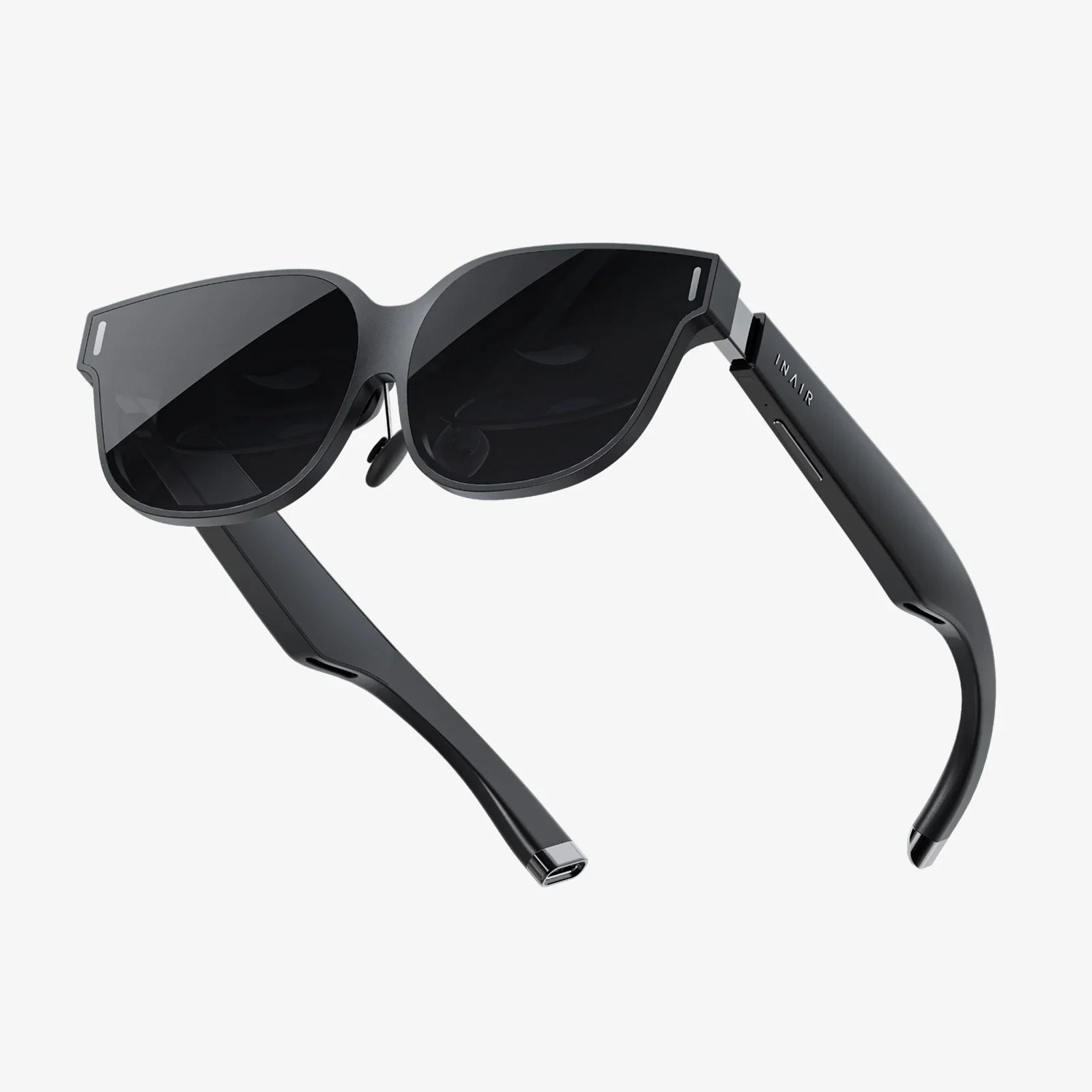
Imagine a world where your watch not only tells time but also tells you about your health, your wristband nudges you to move, and your glasses overlay digital information onto the physical world around you. This isn't a scene from a science fiction novel; it's the reality millions are experiencing today, powered by the silent, constant hum of wearable smart devices. These gadgets have evolved from simple step-counters to sophisticated partners in our daily lives, promising a future of hyper-connectivity and personalized insights. But what exactly do these devices do, and how are they fundamentally reshaping our relationship with technology and our own bodies? The answer is far more profound than you might think.
The Quantified Self: Health and Wellness Monitoring
At the core of the wearable revolution is the concept of the "quantified self"—the practice of gathering data about one's own body and life to gain insights. Wearable devices are the primary tools enabling this movement, transforming our physiological functions into streams of actionable data.
Vital Sign Tracking
Modern wearables act as miniature health clinics strapped to your body. They continuously and passively monitor a suite of vital signs that were once only measurable in a doctor's office.
- Heart Rate: Using photoplethysmography (PPG), a fancy term for shining a light onto the skin to measure blood flow, these devices provide continuous heart rate monitoring. This goes beyond checking your pulse during a workout; it tracks your resting heart rate—a key indicator of cardiovascular fitness—and can alert you to unusually high or low rates throughout the day.
- Sleep Patterns: By combining accelerometer data (movement) with heart rate and sometimes blood oxygen saturation (SpO2) readings, wearables analyze sleep stages. They break down your night into light, deep, and REM sleep, providing a sleep score and offering suggestions for improvement, turning the abstract concept of "a good night's rest" into a tangible, optimizable metric.
- Blood Oxygen Saturation (SpO2): This metric, which measures the percentage of oxygen in your blood, has become a standard feature. While not for medical diagnosis, trends in SpO2 levels can offer insights into overall wellness and respiratory health, especially during sleep where drops can indicate issues like sleep apnea.
- Electrodermal Activity and Skin Temperature: Higher-end devices are incorporating sensors that measure minute changes in sweat gland activity and skin temperature, which can be proxies for stress levels and the onset of illness, painting a more complete picture of your autonomic nervous system's state.
Fitness and Activity Coaching
While health monitoring is often passive, the fitness functionality of wearables is intensely active and motivational. They serve as personal trainers on your wrist.
- Step Counting and Distance: The foundational feature. Using accelerometers and gyroscopes, they track every step, calculating distance traveled and calories burned, encouraging users to hit daily movement goals.
- Workout Recognition and Tracking: Go for a run or a swim, and your device will automatically recognize the activity and start tracking it. They record a wealth of data specific to the workout: pace, stride length, elevation gain, swim strokes, and even specific exercises during a weightlifting session.
- GPS Mapping: Integrated GPS allows for precise mapping of outdoor activities like running, cycling, and hiking. Users can review their routes, see their pace across different segments, and even navigate back to their starting point.
- Personalized Coaching: These devices don't just collect data; they analyze it to provide personalized feedback. They might suggest a day of rest after an intense workout, recommend a lighter run, or nudge you to complete your standing goal for the hour. This transforms the device from a dumb tracker into a smart coach.
Seamless Connectivity and Convenience
Beyond health, wearables excel at streamlining daily digital interactions, reducing the need to constantly pull out a smartphone.
Notification Hub and Communication
Your wrist becomes a command center for your digital life. Wearables mirror notifications from a paired smartphone—calls, texts, emails, and app alerts—allowing you to triage importance with a glance. A quick flick of the wrist can dismiss a spam email or silence an unimportant call, saving time and minimizing distraction. Some devices allow for quick replies with pre-set messages, voice-to-text, or even taking calls directly through the device with a built-in speaker and microphone.
Contactless Payments and Digital Keys
With integrated NFC (Near Field Communication) chips, wearables have become digital wallets. A simple tap of the watch or band on a payment terminal authorizes a transaction, often faster than fumbling for a physical card or phone. This technology is also expanding to serve as a digital key, granting access to everything from your car door to your hotel room or office building, consolidating essentials onto your body.
Media and Device Control
Wearables offer remote control over other smart devices. They can play, pause, or skip tracks on your smartphone's music playlist, control the volume on your wireless headphones, or even act as a shutter button for your phone's camera, making it easier to capture group photos. This creates a seamless ecosystem where the wearable is the central, always-accessible remote control for your digital world.
Specialized Functionalities and Safety Features
The utility of wearables extends into niche but powerful areas, including critical safety applications.
Safety and Emergency Services
This is perhaps one of the most life-changing functions. Many devices are equipped with fall detection algorithms. If a hard fall is detected and the user is unresponsive, the device can automatically place a call to emergency services and share their location with predetermined emergency contacts. Similarly, a manual trigger can quickly call for help in a threatening situation, providing immense peace of mind for vulnerable individuals and their families.
Environmental Sensing
Some wearables are incorporating sensors that analyze the world around you. They can measure ambient noise levels to warn you of potential hearing damage, track ultraviolet (UV) exposure to prevent sunburn, or monitor altitude and barometric pressure for hikers and climbers. This turns the device into an external environmental sentinel.
Women's Health Tracking
A significant area of development is dedicated to women's health. Features allow for logging menstrual cycles, tracking symptoms, predicting fertile windows and period start dates, and monitoring changes in physiological metrics like basal body temperature and heart rate variability throughout the cycle. This provides a powerful tool for family planning and understanding hormonal health.
The Engine Room: How They Do It
The magic of these devices lies in a sophisticated fusion of hardware and software. A typical wearable is packed with sensors: an optical heart rate sensor, a 3-axis accelerometer and gyroscope to detect movement and orientation, an altimeter for elevation, and environmental sensors for light and noise. This raw data is meaningless on its own. It's the powerful algorithms and machine learning models running either on the device or in the cloud that transform wrist jerks into step counts, heart rate patterns into sleep stages, and movement data into a recognized swim session. This seamless integration of sensing and intelligent interpretation is what makes modern wearables so powerful.
The Future and Considerations
The trajectory points towards even deeper integration. Future devices may offer non-invasive blood glucose monitoring, continuous blood pressure tracking, and advanced early illness detection. They will likely become more proactive, not just alerting you to a problem but suggesting actionable interventions. However, this power comes with responsibility. The immense amount of personal data collected raises critical questions about privacy, data security, and ownership. Users must be vigilant about how their data is used and stored. Furthermore, the accuracy of these devices, while impressive for consumer products, is not yet at medical-grade level, a distinction that is crucial for users to understand.
The true power of a wearable smart device isn't found in any single feature, but in the aggregation of countless data points into a coherent narrative about you. It’s the story of your health, your activity, your sleep, and your daily habits, told back to you in a way that empowers change. They are the bridge between our analog bodies and our digital world, transforming intuition into information and guesses into guided decisions. From preventing a health crisis to simply finding your phone, these devices are quietly, persistently, and profoundly altering the human experience, making the question not what they do, but what you will do with the knowledge they provide.
Share:
Digital Product Development Tools: The Architect's Blueprint for the Modern Age
What Is an AR Meeting? The Future of Digital Collaboration