


Imagine an office with no commute, no fixed lease, and no overhead, yet one that projects a formidable professional image and is equipped with enterprise-grade technology. This isn't a fantasy; it's the reality of the virtual office, a concept that has evolved from a niche service into a mainstream operational model for businesses of all sizes. But if it has no walls, no desks, and no water cooler, what does a virtual office actually look like? The answer lies not in architecture, but in infrastructure, services, and a fundamental reimagining of what constitutes a workplace.
The Foundation: Professional Presence and Prestige
At its most basic level, the exterior of a virtual office is a prestigious address. For a startup run from a founder's apartment or a freelancer operating from a coffee shop, this is often the first and most critical component. It provides an immediate veneer of credibility and stability.
This foundational element typically includes:
- A Prime Business Address: This is the legal registered address for the company, often in a major financial or tech hub. It's the address that appears on websites, business cards, and official documentation, signaling to clients and partners that the business is established and serious.
- Mail and Package Handling: Physical mail hasn't disappeared. A virtual office service provides a real human receptionist or mailroom service to receive, sort, scan, and forward mail and packages. This ensures nothing important is missed, and the business owner maintains complete control over their correspondence without ever needing to visit the physical location.
- On-Demand Meeting Rooms and Office Space: While daily work may happen remotely, the need for face-to-face interaction persists. A key feature of a robust virtual office package is access to a network of professionally furnished meeting rooms, day offices, and even event spaces. These can be booked by the hour or day, providing a physical extension of the virtual office whenever required for client pitches, team collaborations, or focused work.
This layer effectively decouples a company's geographical presence from its operational base, allowing it to establish a footprint in multiple cities or countries without the exorbitant cost of physical leases.
The Nervous System: Communication and Connectivity
If the address is the facade, the communication suite is the central nervous system of the virtual office. This is the dynamic, interactive layer that facilitates the real-time operation of the business. It replaces the traditional office's internal phone system, intercom, and front desk.
- A Live Virtual Receptionist: Instead of a phone ringing unanswered in an empty room, calls to the main business line are answered by a professional live receptionist. This person acts as an extension of the team, answering calls in the company's name, taking messages, and performing basic call screening and forwarding based on predefined instructions. This ensures every call is handled professionally, enhancing customer service and never missing a potential lead.
- Advanced Phone Systems: Beyond a live receptionist, a virtual office often includes a sophisticated cloud-based phone system (PBX). This provides features like custom greetings, auto-attendants, extension dialing, voicemail-to-email transcription, and call routing to team members anywhere in the world. Each employee can have a direct line that rings on their personal device, maintaining a seamless professional appearance.
- Unified Communication Platforms: This is the digital heartbeat of the daily workflow. Platforms that integrate video conferencing, instant messaging, file sharing, and project management create a cohesive digital environment. This is where the "office" truly comes to life—through video calls that replace conference rooms, channel-based chats that replicate department huddles, and shared digital whiteboards that mimic brainstorming sessions.
This interconnected web of communication tools ensures that despite being physically dispersed, the team remains synchronized, accessible, and collaborative.
The Brain: Operational and Administrative Tools
A physical office has HR, IT support, and admin staff. A virtual office replicates this through a suite of digital tools and outsourced services that handle the operational backbone of the company. This is the cognitive layer that manages processes and information.
- Cloud Storage and Document Management: The filing cabinet is extinct. In its place are secure, cloud-based services like secure cloud drives and document collaboration platforms. These provide a central, organized, and always-accessible repository for all company files, ensuring version control and security while allowing simultaneous collaboration from multiple users across different time zones.
- Project and Task Management Software: These applications provide visibility and structure to workflow. They replace the manager walking over to check on progress with digital dashboards that track tasks, deadlines, and responsibilities. They create transparency, keep projects on track, and ensure everyone knows what they need to do and by when, effectively managing accountability without micromanagement.
- Administrative Support Services: Many virtual office providers offer add-on services such as virtual assistant support, bookkeeping, and IT helpdesk services. This allows businesses to scale their operational support up or down as needed, accessing professional expertise without the commitment of a full-time hire.
This layer automates and streamlines the administrative grind, freeing up the team to focus on core revenue-generating activities and strategic goals.
The Culture: The Human Element in a Digital Space
Perhaps the most abstract but most crucial aspect of a virtual office is its culture. A traditional office culture is built through spontaneous interactions, shared experiences, and a common physical environment. Replicating this digitally is the greatest challenge and the true mark of a successful virtual operation.
A virtual office's culture is intentionally designed and curated. It looks like:
- Dedicated Non-Work Channels: Digital spaces specifically for water-cooler conversation, pet photos, hobby sharing, and casual banter. These channels facilitate the social connections that build trust and camaraderie within a team.
- Virtual Social Events: Organized online activities like trivia nights, virtual coffee breaks, happy hours, or gaming sessions. These scheduled events create opportunities for informal bonding that would happen naturally in a physical office.
- Explicit Communication Norms: Clear guidelines on communication, such as response time expectations, preferred channels for different types of messages, and meeting etiquette. This clarity prevents misunderstandings and ensures respect for focus time and personal boundaries, which is essential when work and home life share a space.
- A Focus on Outcomes, Not Activity: The culture shifts from valuing visible busyness to valuing measurable results. Trust and autonomy become central tenets, as managers lead based on output rather than observing input.
This cultural framework is the glue that holds the digital infrastructure together, transforming it from a collection of tools into a cohesive and productive organization.
The Physical Manifestation: Where the Digital Meets the Real
While the virtual office exists primarily in the cloud, it does manifest in the physical world—in the homes, coffee shops, and co-working spaces of its employees. Here, it looks like a well-equipped home office with a high-quality headset and webcam. It looks like a laptop securely connected to a VPN in a bustling cafe. It looks like a team member taking a client call from a peaceful park bench during a walk.
The employee's personal environment becomes a satellite office of the larger virtual entity. The company supports this by often providing stipends for high-speed internet, ergonomic furniture, or subscriptions to co-working spaces, acknowledging that the health, comfort, and productivity of their team are paramount, regardless of location.
The Future Evolution of the Virtual Workspace
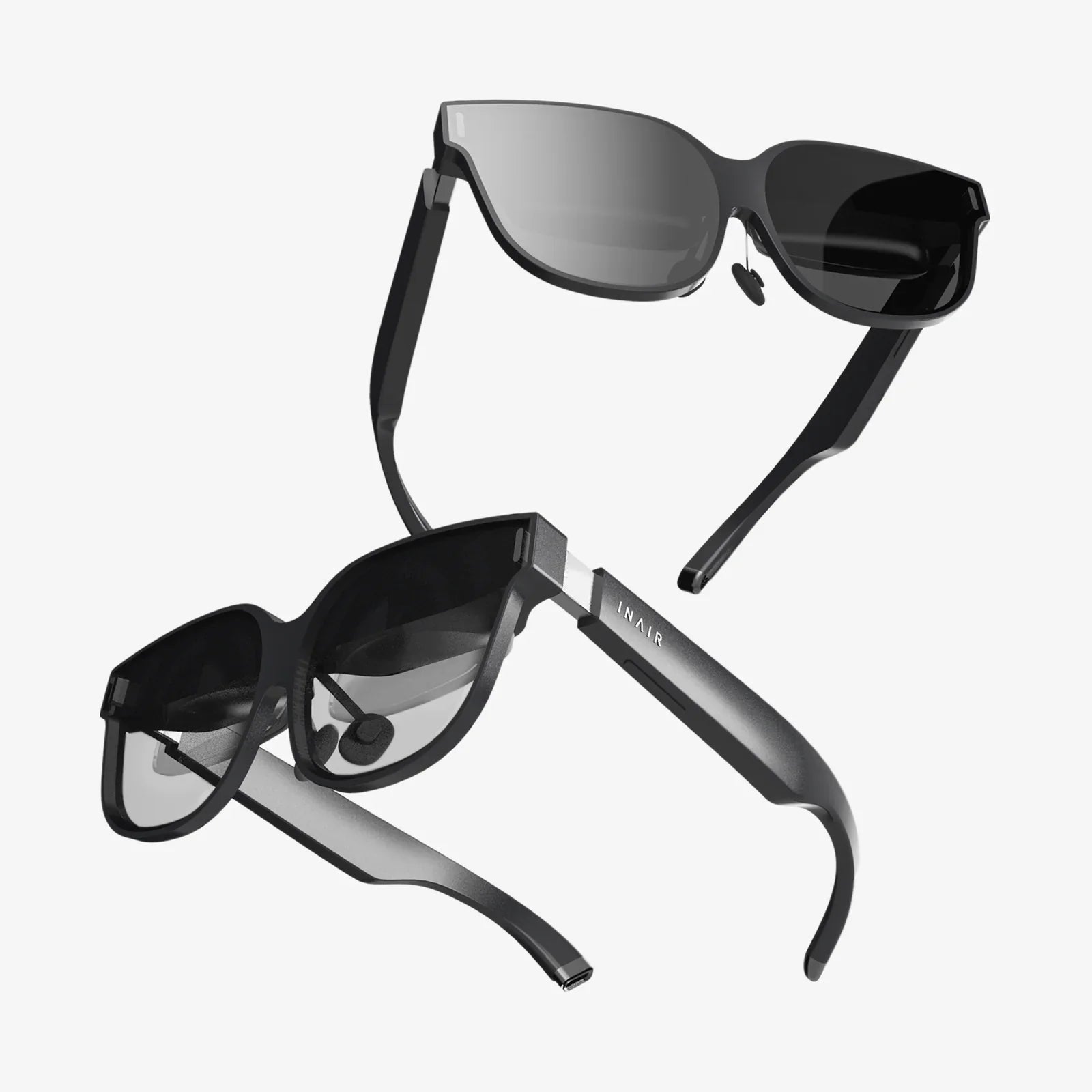
The virtual office is not a static concept. It is continuously evolving, pushed forward by advancements in technology. We are already seeing the early stages of the next iteration: the immersive virtual office powered by Virtual and Augmented Reality (VR/AR).
Imagine not just joining a video call, but putting on a headset and "walking" into a digital twin of a company headquarters. You could have avatars that allow for non-verbal cues like eye contact and body language, walk over to a colleague's virtual desk for a quick chat, or gather around a 3D model of a new product design. This technology promises to bridge the gap between the physical and digital worlds, adding a layer of spatial presence and serendipitous interaction that is currently missing from flat video calls and chat channels.
While not yet mainstream, the development of these metaverse-like workspaces indicates a future where the virtual office may indeed have a "look"—a customizable, immersive, and interactive digital environment that finally provides a visual and experiential answer to the question of what a virtual office looks like.
The true image of a virtual office is not found on a screen or in a server; it's reflected in the freedom of a professional who can work from anywhere without sacrificing credibility, the seamless collaboration of a team spread across continents, and the agility of a business that has traded brick-and-mortar constraints for digital limitless potential. It is the ultimate manifestation of work being what you do, not a place you go.
Share:
Long-Lasting Wearable Tech: The Future of Seamless, Sustainable Personal Electronics
What is Digital Content? The Complete Guide to the Modern World's Currency