


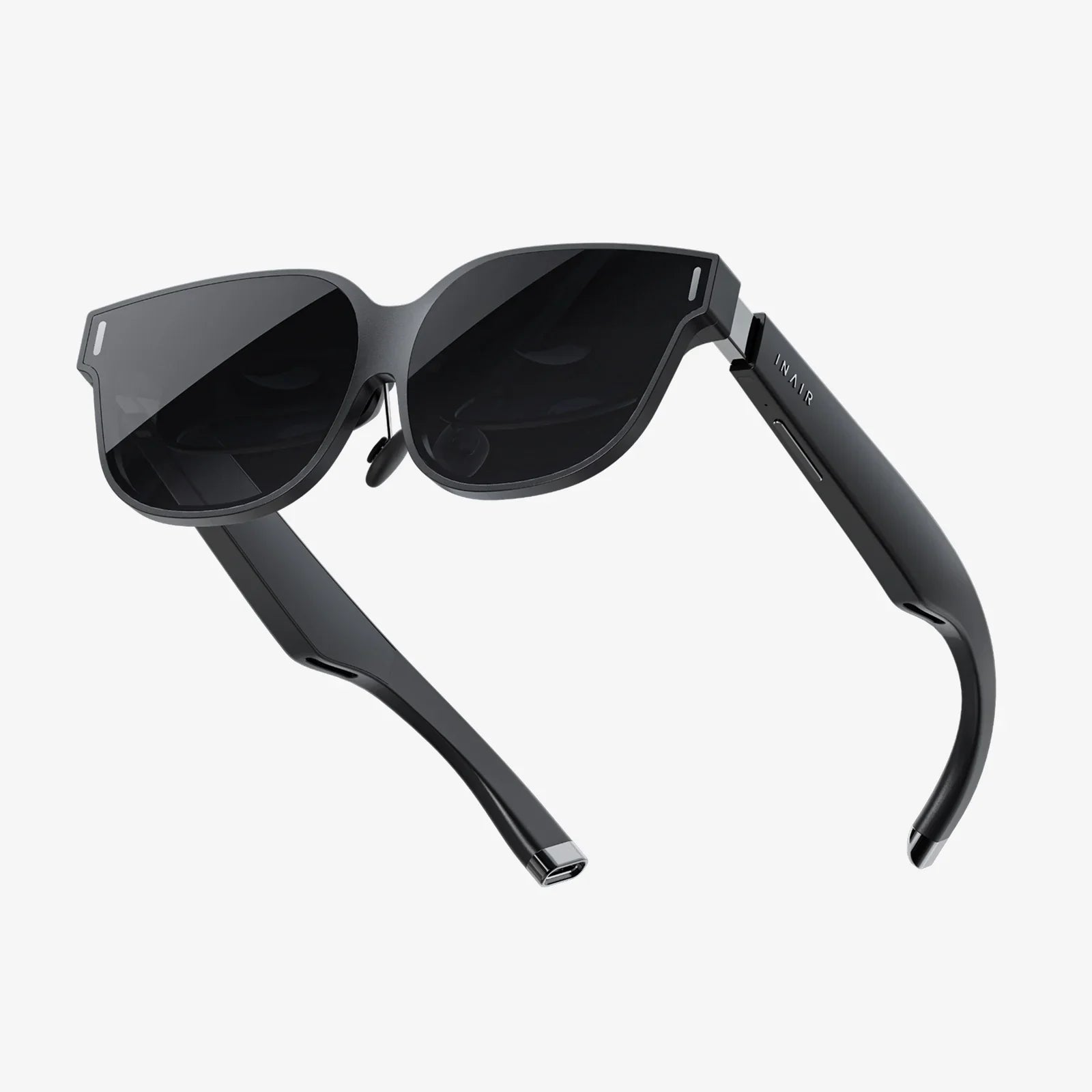
You've seen the breathtaking trailers, read the glowing reviews, and watched friends disappear into digital worlds. The question is no longer if you want to step into virtual reality, but how—and more importantly, at what cost. The journey into VR is one of the most exciting technological adventures available today, but the landscape of headset pricing is a labyrinth of options, hidden fees, and tiers of performance. Unraveling the true cost is the first step to claiming your ticket to another dimension.
The Three Tiers of Virtual Reality: Finding Your Financial Footing
The market for VR headsets has matured into three distinct tiers, each with its own price point, target audience, and performance capabilities. Understanding these categories is crucial to aligning your expectations with your budget.
1. The Entry-Level: Smartphone VR (The Budget Gateway)
For many, this is the first taste of virtual reality. These headsets, often constructed from lightweight plastic or even cardboard, function as a sophisticated holder for your smartphone. The phone's screen becomes the display, and its sensors provide the basic head tracking.
Cost Range: $10 - $150
The lower end of this spectrum consists of simple, often cardboard-based viewers, which can be astonishingly cheap. More sophisticated plastic models with built-in lenses and a comfortable head strap can range from $50 to $150.
What You're Paying For: You are essentially purchasing a pair of high-quality lenses and a housing unit. The actual computing power and display are your own. This is a low-risk way to experience 360-degree videos and simple interactive apps.
The Hidden Costs: The obvious requirement is a compatible smartphone, which is a significant investment if you don't already own one. Furthermore, the experience is limited by your phone's processing power, battery life, and screen resolution. There are no positional tracking or advanced controllers, meaning your movement within the virtual space is restricted.
2. The Mainstream: Standalone VR (The Wireless Freedom)
This category represents the current sweet spot for most consumers, offering a complete, untethered VR experience in a single package. These headsets have all the necessary computing hardware, sensors, and batteries built directly into the device.
Cost Range: $200 - $1,000+
Newer, more advanced standalone models typically start around $400-$500 for a full kit, including the controllers. Older or less feature-rich models can sometimes be found closer to the $200-$300 mark, especially during sales or for refurbished units. The absolute highest-end standalone devices, focused on professional use and mixed reality, can push well beyond $1,000.
What You're Paying For: This is an all-in-one system. The price includes the headset with its integrated displays, processors, and batteries, plus the motion controllers. You're paying for convenience, wireless freedom, and a curated ecosystem of software. Setup is simple: put on the headset and go.
The Hidden Costs: While there are no mandatory additional hardware purchases, the software library is where ongoing costs can accumulate. Premium games and experiences can cost between $20 and $60. Additionally, you may want to purchase optional accessories like a more comfortable elite head strap, a carrying case, or a longer-lasting external battery pack, which can add $50 to $150 to your total investment.
3. The Enthusiast: PC-VR (The Premium Powerhouse)
This tier is for those who demand the absolute highest fidelity, performance, and immersion that VR has to offer. These headsets act as dedicated displays and sensors but must be connected to a powerful external computer that handles all the intense processing.
Cost Range: $400 - $1,400+ for the headset alone
The headsets themselves vary widely. Older or discontinued models might be found for $400-$600, while the latest generation of high-resolution, high-refresh-rate headsets easily cost $1,000 or more. It's critical to remember that this is only part of the total cost.
The Elephant in the Room: The PC Itself
This is the single largest hidden cost. To run these headsets effectively, you need a gaming-grade computer with a powerful dedicated graphics card, a robust CPU, and plenty of RAM. A VR-ready PC, if you don't already own one, represents a significant investment of $800 to $2,000+ on its own.
What You're Paying For: You are investing in uncompromising quality: stunning graphical detail, incredibly smooth performance, expansive field-of-view, and advanced features like full-body tracking. The library of games is often deeper, driven by platforms like SteamVR.
The Hidden Costs: Beyond the massive PC investment, there are other potential costs. You may need to purchase additional base stations for better tracking ($150-$200 each), specialized controllers, or expensive aftermarket cables. The software for PC-VR also tends to be premium-priced, similar to traditional AAA video games.
Breaking Down the Components: What Drives the Price?
Why does one headset cost $300 while another costs $1,500? The answer lies in the technology inside.
- Displays: Resolution and refresh rate are huge factors. A higher resolution means a sharper, clearer picture with less "screen door effect." A higher refresh rate (90Hz vs. 120Hz vs. 144Hz) makes motion appear smoother and can significantly reduce motion sickness. Advanced display technologies like Mini-LED and OLED offer better contrast and blacks, but at a higher cost.
- Lenses: The quality of the lenses dictates clarity and comfort. Fresnel lenses are common but can cause glare. Aspherical lenses or advanced pancake lenses offer a clearer picture and a more compact headset design but are more expensive to manufacture.
- Tracking Systems: Inside-out tracking (cameras on the headset track the controllers) is cheaper and easier to set up. Outside-in tracking (external base stations track the headset and controllers) is often more precise and reliable, especially for competitive gaming, but adds to the cost and complexity.
- Computing Power (SoC): For standalone headsets, the Snapdragon chipset inside is a major cost driver. A more powerful processor enables better graphics, more complex worlds, and smoother performance.
- Build Quality and Comfort: Cheaper headsets use more plastic and simpler straps. Premium models invest in better materials, more padding, adjustable mechanisms, and weight distribution systems for multi-hour comfort.
- Feature Set: Color passthrough cameras for mixed reality, eye-tracking technology, and haptic feedback in the headset itself are all advanced features that push the price into the premium tier.
Beyond the Headset: The Total Cost of Ownership
The initial purchase is just the beginning. To understand the true cost of VR, you must consider the ecosystem.
The Software Library: The headset is a portal, but the experiences are what you buy it for. Budgeting for software is non-negotiable. A robust library of games and apps can easily cost hundreds of dollars over time.
Accessories: From prescription lens inserts so you don't need to wear glasses ($60-$100) to additional face covers for hygiene ($30), VR mats to define your play space ($40), and premium audio solutions, these quality-of-life improvements add up.
The Space: While not a direct monetary cost, you need a safe, clear area to use room-scale VR effectively. This could mean rearranging a room or dedicating a specific space in your home.
Finding Value: How to Get the Best Deal
Navigating the price spectrum requires a strategy.
- Be honest about your use case. Are you a casual fitness user, a social gamer, or a hardcore simulation enthusiast? Your answer will immediately point you to the right tier.
- Check for bundles. Manufacturers often bundle popular games with headsets, effectively saving you $30-$60 on software you were likely to buy anyway.
- Consider refurbished. Official refurbished units from first-party sellers can offer significant savings and usually come with a warranty, making them a much safer bet than buying used from a private seller.
- Time your purchase. Major shopping holidays like Black Friday, Cyber Monday, and Prime Day often see legitimate discounts on VR hardware and software.
- Factor in everything. Before you click "buy," make a list of the all-in cost: headset, mandatory accessories, and the first few games you want. This will give you a realistic total budget.
The final number on a VR headset's price tag is more than just a figure; it's a reflection of the experience that awaits. It represents a gateway to new worlds, new ways to connect, and new forms of play. Whether you start with a modest investment to test the waters or dive headfirst into the deep end with a top-tier setup, the value is measured not in dollars, but in the sheer wonder of stepping through the looking glass. Your journey into virtual reality is waiting, and its price, once a mystery, is now a choice firmly in your hands.
Share:
iPhone 3D Glasses: The Next Frontier in Mobile Immersive Entertainment
Virtual Goggles: A Portal to New Realities and the Future of Human Experience