


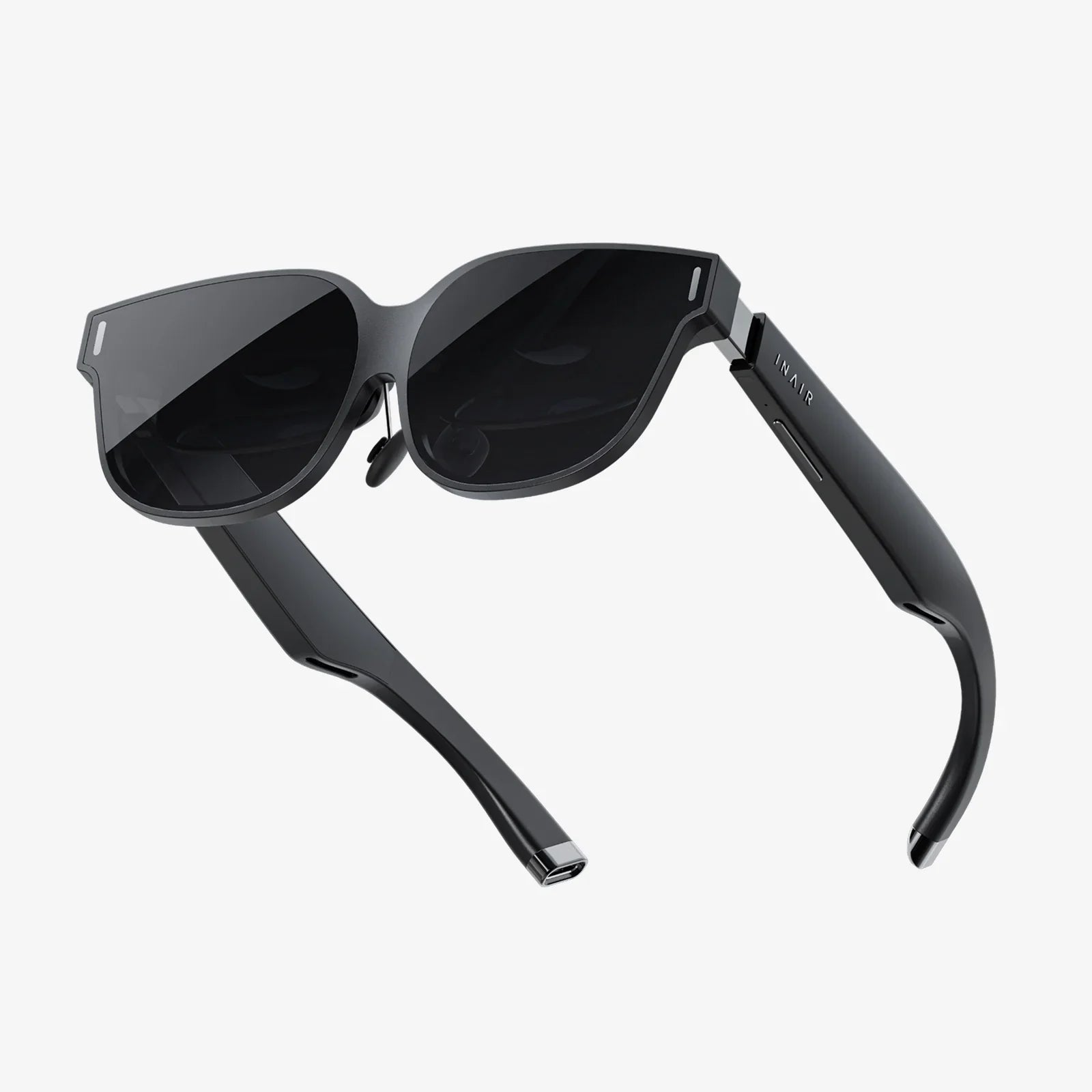
You hear the term everywhere—from commercials to tech blogs to conversations with friends. Your phone is smart, your watch is smart, even your refrigerator is getting smarter. But have you ever stopped to ask, in a world saturated with the label, what does "smart device" actually mean? Is it just marketing jargon, or is there a substantive technological revolution hiding behind this ubiquitous term? The answer is far more profound and transformative than a simple buzzword; it represents a fundamental shift in how we interact with technology, data, and the very fabric of our daily environment. This deep dive will unpack the layers of intelligence, connectivity, and automation that define the modern smart device, moving beyond the hype to understand the real meaning and monumental implications of living in a smart world.
Beyond the Buzzword: A Foundational Definition
At its most fundamental level, a smart device is an electronic gadget endowed with computational capabilities, typically through a microprocessor, sensors, and software, that can connect to a network (like the internet or a local hub), operate to some degree interactively and autonomously, and can be remotely monitored, controlled, and updated. The "smart" qualifier distinguishes these devices from their "dumb" or traditional counterparts, which perform a single, fixed function without any ability to adapt, learn, or communicate.
Imagine a traditional thermostat. Its function is simple: you turn a dial to a desired temperature, and it clicks on or off to maintain that setting. A smart thermostat, however, does so much more. It learns your daily schedule and preferences, adjusting the temperature automatically to save energy when you're away. It connects to your home Wi-Fi, allowing you to change the setting from your phone while you're in bed or even miles from home. It can receive software updates to add new features and can communicate with other devices, like telling your smart fans to turn on to circulate cool air. This transition from a static tool to a dynamic, connected, and adaptive system is the essence of what makes a device "smart."
The Core Components: The Anatomy of Intelligence
The intelligence of a smart device is not magic; it is engineered through a specific set of core components that work in concert. Understanding these parts is key to understanding the whole.
1. The Brain: Processing Power
Every smart device contains a central processing unit (CPU) or a microcontroller. This is the brain of the operation, responsible for executing commands, running the device's operating system, processing data from sensors, and making decisions. The complexity of this processor can range from a simple chip designed for a single task to a powerful multi-core processor capable of running complex algorithms and artificial intelligence models, like those found in high-end smartphones.
2. The Senses: Sensors and Inputs
A device cannot be smart if it is blind and deaf to its environment. This is where sensors come in. They act as the device's senses, gathering raw data about the physical world. Common sensors include:
- Motion sensors (PIR): Detect movement within a field of view.
- Temperature and humidity sensors: Monitor climatic conditions.
- Light sensors: Measure ambient light levels.
- Microphones: Capture audio input for voice commands.
- Cameras: Provide visual data for recognition and monitoring.
- Accelerometers and gyroscopes: Track movement, orientation, and rotation.
- GPS: Pinpoints geographic location.
This constant stream of sensory data is the raw material upon which the device's intelligence acts.
3. The Voice: Connectivity Modules
Connectivity is the non-negotiable hallmark of a smart device. Without the ability to communicate, it is merely an isolated computer. Connectivity modules allow the device to talk to other devices (forming an Internet of Things ecosystem), communicate with a central hub, and connect to the internet. Standard protocols include:
- Wi-Fi: For high-bandwidth, direct internet access.
- Bluetooth (and Bluetooth Low Energy - BLE): For short-range communication with personal devices like phones and headphones.
- Zigbee and Z-Wave: Low-power, mesh networking protocols popular in home automation for creating robust networks where devices relay signals to each other.
- Thread: A newer, IP-based low-power mesh networking protocol gaining traction.
- Cellular (LTE, 5G): For wide-area connectivity in devices like trackers and cars.
4. The Mind: Software, APIs, and The Cloud
The hardware is useless without the software that tells it what to do. This includes:
- Firmware/Operating System: The low-level software that controls the device's basic functions.
- Applications: The user-facing software on the device or a connected smartphone that provides an interface for control.
- Application Programming Interfaces (APIs): These are the crucial messengers that allow different software applications and devices to talk to each other. They enable your voice assistant to tell your smart lights to turn off.
- The Cloud: Perhaps the most critical enabler of modern smart devices. The cloud provides vast, remote computing power and storage. Instead of processing complex data on the device itself (on-device or "edge" computing), data is often sent to powerful cloud servers for analysis. This is where machine learning models train on vast datasets to recognize your voice commands, identify people in video feeds, and predict your routines.
The Evolution of "Smart": From Connectivity to Contextual Intelligence
The definition of "smart" is not static; it is a moving target that evolves with technology. We can trace this evolution through several stages:
- Stage 1: Remote Control (The “Smart” Button): The earliest form of smart was simple connectivity. The primary value was the ability to control a device remotely via a phone app. The device itself wasn't particularly intelligent; it just executed a command from a farther distance.
- Stage 2: Automation and Triggers: The next stage introduced simple logic with "if-this-then-that" (IFTTT) rules. Users could create recipes, like "IF my smart sensor detects motion, THEN turn on the smart light." This moved control from manual to automated, based on simple triggers.
- Stage 3: Integration and Ecosystems: Devices began to work together within branded or open-standard ecosystems. A single command could trigger a coordinated action across multiple devices, like a "Good Morning" scene that turns on lights, starts the coffee maker, and reads out the weather.
- Stage 4: Predictive and Contextual Intelligence (The Current Frontier): This is where true "smartness" shines. Leveraging AI and machine learning in the cloud, devices move beyond reaction to prediction. They learn from your behavior, anticipate your needs, and act based on context. A thermostat doesn't just follow a schedule; it knows you're on your way home early because of your phone's location and adjusts the temperature accordingly. A speaker doesn't just play music on command; it suggests a playlist it knows you enjoy at that time of day.
The Societal Impact: A Double-Edged Sword
The proliferation of smart devices is reshaping society in ways both dazzling and disconcerting. Their meaning extends far beyond technology into the realms of sociology, economics, and ethics.
The Benefits: Unprecedented Convenience and Efficiency
The promise of smart devices is a life of reduced friction. They offer:
- Enhanced Convenience: Controlling your entire home with your voice or a single app is powerfully convenient. Automating mundane tasks frees up mental space and time.
- Improved Efficiency and Sustainability: Smart energy systems can significantly reduce electricity and water consumption, lowering bills and environmental impact. Smart cities use connected sensors to optimize traffic flow and public transportation.
- Increased Safety and Security: Smart security cameras, doorbells, and locks provide real-time alerts and remote monitoring, offering peace of mind. Health monitors can alert elderly individuals and their families to potential falls or medical events.
- Personalized Experiences: From entertainment systems that recommend content to lighting that adjusts to your mood, smart technology creates environments tailored to individual preferences.
The Challenges: Privacy, Security, and Complexity
This new world is not without its significant perils:
- Data Privacy: Smart devices are data collection engines. They constantly gather information about your habits, routines, preferences, and even your conversations. Who owns this data? How is it used? Is it sold to third parties? The business model of many devices often relies on monetizing user data, creating a fundamental tension between service and surveillance.
- Security Vulnerabilities: A connected device is a potential entry point for hackers. Insecure devices can be co-opted into massive botnets, used to spy on users, or serve as a backdoor into a home network. Ensuring robust security is an ongoing challenge for manufacturers.
- Interoperability and Fragmentation: The market is fractured between competing ecosystems and standards. The promise of a seamlessly connected world is often broken by devices that refuse to talk to each other, forcing consumers to pick a side or juggle multiple apps.
- E-Waste and Obsolescence: The rapid pace of innovation can render devices obsolete quickly, contributing to the global problem of electronic waste. Furthermore, when a company stops supporting a device with software updates, it can become a security risk.
- Digital Divide: The cost of adopting smart home technology can create a divide between those who can afford this new layer of convenience and efficiency and those who cannot.
The Future: Invisible, Ambient, and Proactive Intelligence
So, what does the future hold for the meaning of "smart device"? The trajectory is moving towards intelligence that is more seamless, ambient, and proactive.
- Ambient Computing: The technology will fade into the background. Instead of interacting with specific devices, we will interact with the environment itself. Intelligence will be woven into the fabric of our homes, cars, and cities, available when we need it but invisible when we don't.
- Advanced AI and Predictive Analytics: Devices will move from understanding commands to understanding intent and context. They will act as true digital assistants, anticipating needs before we even articulate them.
- Edge Computing: To improve speed and privacy, more processing will be done on the device itself (the "edge" of the network) rather than sending every bit of data to the cloud. This will enable faster response times for critical tasks and reduce the amount of personal data transmitted.
- Hyper-Personalization: Systems will not just learn general patterns but will develop a deep, holistic understanding of an individual's preferences, health, and behavior to provide incredibly tailored experiences.
The true meaning of a smart device, therefore, is a node in a vast, intelligent network. It is a point where the digital world gains a foothold in the physical, collecting data, processing information, and taking action to reshape our reality. It is a tool of immense potential for good, burdened by significant risks that we, as a society, are only beginning to grapple with. It is not just a gadget you buy; it is a participant you invite into your life, one that is always listening, always learning, and always connected. The question is no longer just "what does it mean?" but "what do we want it to become?"
This invisible layer of intelligence is quietly reshaping reality, making the line between science fiction and everyday life blurrier than ever before. The next time you ask a speaker to play a song or your lights automatically dim for a movie, remember—you're not just using a tool; you're interacting with a complex system designed to learn from you, a system whose full potential and consequences are still being written. The era of the truly smart device is just beginning, and its ultimate meaning will be defined by the choices we make about privacy, security, and the kind of future we want to build.
Share:
AI AR Ideas: The Next Frontier of Human-Computer Interaction
How to Create an AI Powered App: A Comprehensive Guide for Developers