


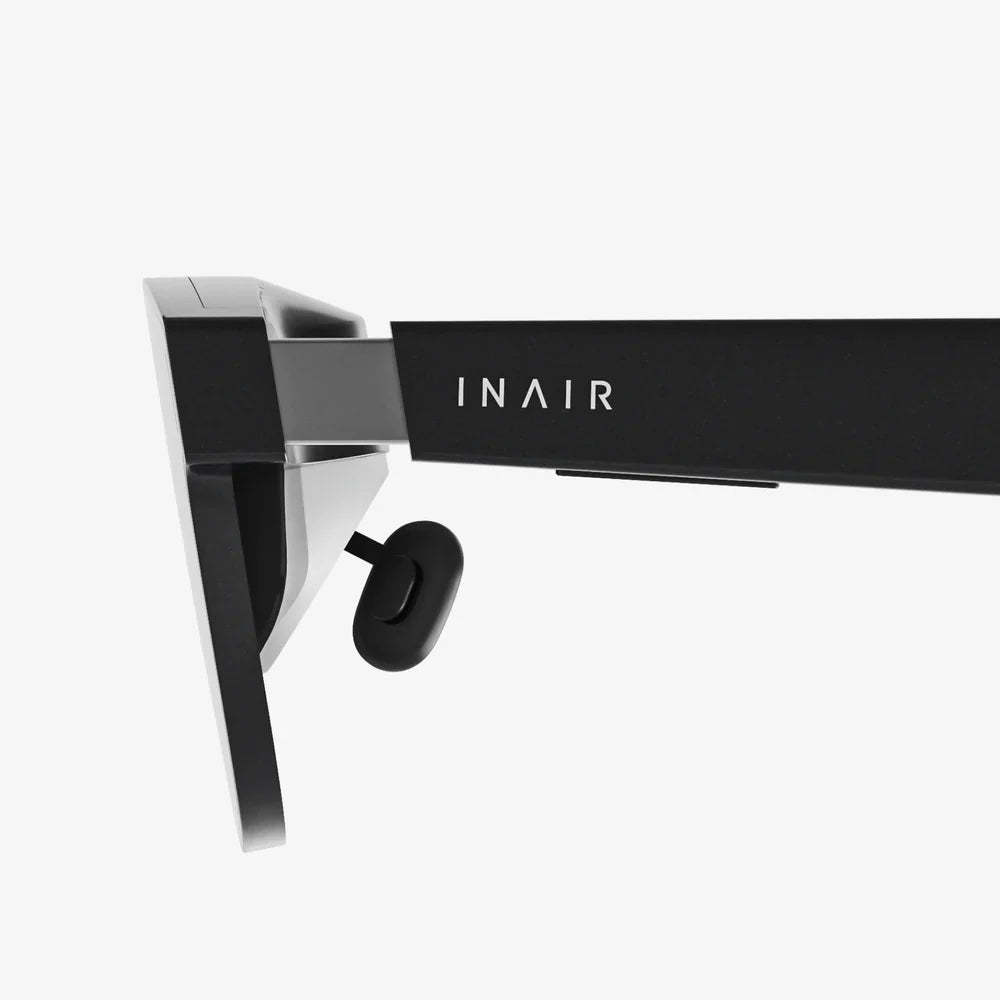
You slip on the headset, and the real world dissolves. One moment you’re in your living room; the next, you’re standing on the surface of Mars, examining strange rock formations under a pinkish sky. Or perhaps you’re in a surgical theater, practicing a complex procedure on a beating heart that isn’t really there. This is the immediate, visceral power of Virtual Reality (VR), a technology that has captured the world's imagination but is often misunderstood. It’s easy to see it as just an advanced toy for gamers, but to do so is to miss the profound revolution quietly unfolding. The question isn’t just "what is VR?" but rather, what does VR do? The answer stretches far beyond entertainment, reaching into the very fabric of how we learn, work, heal, and connect.
The Foundational Mechanics: How VR Creates New Realities
Before we can appreciate its vast applications, we must understand the core principles that make VR work. At its heart, VR does one primary thing: it tricks the human brain into believing it is somewhere it is not. This is achieved through a sophisticated combination of hardware and software designed to engage our primary senses—sight and sound, primarily, with touch increasingly joining the mix.
The magic begins with the head-mounted display (HMD). These devices contain high-resolution screens placed mere centimeters from the user’s eyes, often with a high refresh rate to ensure smooth motion. Lenses focus and reshape the image for each eye, creating a stereoscopic 3D effect that provides depth perception. This is the first critical step: visual immersion.
But a static image isn’t enough. VR must be responsive. This is where head tracking comes in. Using a combination of gyroscopes, accelerometers, and external or internal cameras, the system constantly monitors the orientation and position of your head. When you look up, down, left, or right, the world within the headset moves in perfect synchrony. This responsiveness is crucial for maintaining the illusion, known as presence—the undeniable feeling of "being there."
Audio is the other half of the immersion equation. 3D spatial audio technology mimics how sound behaves in the real world. A noise from your right will sound like it's coming from your right, even if you're wearing headphones. This auditory cue is incredibly powerful for selling the reality of a virtual space, making an object dropping behind you feel startlingly real.
Finally, input and interaction complete the loop. Handheld controllers, gloves equipped with sensors, or even computer vision that tracks your bare hands allow you to reach into the virtual world and manipulate it. Picking up an object, pushing a button, or drawing in mid-air creates a powerful feedback loop that affirms your agency within the simulation. This combination of immersive visuals, responsive tracking, convincing audio, and tactile interaction is what VR does at a fundamental level: it hijacks your senses to transport your consciousness to a digitally constructed realm.
Transforming Entertainment and Storytelling
The most visible thing VR does is revolutionize entertainment. While gaming is the most prominent example, its impact is broader.
The Gaming Metamorphosis
Gaming has evolved from watching a character on a screen to becoming the character. VR does not just let you play a game; it places you inside its universe. The mechanics of gameplay are fundamentally different. Aiming a weapon involves physically raising your arm and aiming down the sights, not just pushing a thumbstick. Dodging an attack requires you to actually duck or step aside. This full-body engagement creates unparalleled levels of adrenaline, excitement, and emotional connection to the narrative. You're not just controlling a hero; you are the hero navigating the environment, and the stakes feel immeasurably higher.
The New Wave of Cinematic Experiences
Beyond gaming, VR is pioneering a new form of storytelling: immersive cinema. Traditional film holds the audience as a passive observer with a fixed perspective. VR filmmaking does the opposite. It places you inside the scene. You could be standing in a crowded market in Marrakech, sitting in a room with two arguing characters, or floating in space beside an astronaut. The director can guide your attention, but you have the agency to look around and discover details for yourself. This makes you an active participant in the story, fostering a deeper, more empathetic connection to the events and characters. Documentaries, in particular, have found a powerful new voice in VR, allowing people to experience distant cultures, natural wonders, and human struggles with a previously impossible sense of intimacy.
Live Events and Social Hubs
Imagine attending a live concert by your favorite artist from the best seat in the house, all from your home across the globe. VR makes this possible. It can teleport you to front-row seats at sporting events, music festivals, and theatrical performances. Furthermore, social VR platforms have emerged as persistent virtual spaces where people can gather. You and your friends, represented by customizable avatars, can go to a virtual movie theater, play games together, visit user-created worlds, or simply hang out and chat as if you were in the same physical room. In a world where distance is a barrier, VR does something miraculous: it makes geography irrelevant for social connection.
Revolutionizing Education and Training
Perhaps one of the most impactful things VR does is serve as the ultimate learning simulator. The old adage "experience is the best teacher" finds its ultimate expression in this technology.
Immersive Learning and Field Trips
Textbooks and videos can describe the Roman Colosseum, but VR can take a classroom of students there. Students can walk through ancient ruins, witness historical events unfold around them, or explore the complex geometry of molecules by stepping inside them. This experiential learning boosts retention, engagement, and comprehension. Complex scientific concepts become tangible and visual. VR does not just provide information; it provides context and experience, making it one of the most powerful educational tools ever conceived.
High-Stakes Skill Training
In fields where mistakes are costly or dangerous, VR offers a perfect training ground. Surgeons can practice intricate procedures on virtual patients, allowing them to hone their skills without risk. Astronauts have used simulators for decades, and VR is the next evolution, preparing them for the disorientation and tasks of spacewalks. Mechanics can learn to repair complex machinery, police officers can de-escalate tense situations, and welders can perfect their technique—all in a safe, controlled, and repeatable virtual environment. The muscle memory and cognitive pathways developed in VR translate directly to real-world performance. It provides a sandbox for failure, which is the cornerstone of effective learning.
Soft Skills and Empathy Building
VR's unique ability to foster empathy is being harnessed for soft skills training. Managers can practice having difficult conversations with virtual employees. Customer service representatives can experience a scenario from the customer’s perspective. Perhaps most powerfully, VR experiences can be designed to simulate the effects of conditions like macular degeneration or auditory hypersensitivity, helping medical professionals and caregivers better understand the challenges their patients face. By literally seeing the world through someone else’s eyes, VR can build bridges of understanding in a way no other medium can.
Driving Innovation in Healthcare and Therapy
The healthcare industry has embraced VR not as a novelty, but as a legitimate therapeutic tool with proven efficacy.
Pain Management and Distraction Therapy
VR is a powerful non-pharmacological tool for pain management. For patients suffering from severe burn wounds during dressing changes, or those undergoing painful procedures, immersive VR experiences can significantly reduce perceived pain levels. By captivating the brain's visual and auditory circuits, VR effectively distracts the brain's attention away from processing pain signals. This use of "immersive distraction" is helping reduce reliance on opioids and provides comfort in some of the most challenging medical situations.
Physical Rehabilitation and Motor Skills
Physical therapy is often repetitive and tedious, leading to poor patient adherence. VR transforms these exercises into engaging games. A patient recovering from a stroke who needs to regain arm mobility might be tasked with virtually slicing flying fruit or painting on a virtual canvas. This gamification makes the hard work of recovery more enjoyable and provides therapists with precise, data-driven metrics on a patient’s range of motion, speed, and progress. The brain's neuroplasticity is engaged more effectively through rewarding, goal-oriented virtual tasks.
Exposure Therapy for Mental Health
For individuals dealing with phobias (like fear of heights, flying, or public speaking) or PTSD, VR enables a breakthrough therapeutic technique: controlled exposure therapy. A therapist can gradually and safely expose a patient to the source of their anxiety within a virtual environment. They can practice giving a speech to a virtual crowd or stand on a virtual balcony, all while in the security of the therapist's office. The therapist can control every parameter, slowly increasing intensity as the patient learns coping mechanisms and desensitizes themselves. This safe, repeatable, and private method is revolutionizing behavioral therapy.
Reshaping Enterprise and Remote Work
The corporate world is discovering that VR does much more than create games; it solves practical business problems and redefines collaboration.
Design and Prototyping
Architects, engineers, and designers are using VR to step inside their creations long before they are built. Instead of looking at a 3D model on a screen, an automotive designer can sit inside the virtual cockpit of a new car model, checking sightlines and ergonomics. An architect can walk a client through a full-scale model of a building, making changes to the design in real-time based on the client's feedback. This process, known as virtual prototyping, saves immense amounts of time and money by identifying design flaws early and streamlining the approval process.
Virtual Collaboration and Meetings
The video call is a staple of modern remote work, but it has limitations—it's often awkward, lacks a sense of presence, and makes reading non-verbal cues difficult. VR meeting spaces aim to solve this. Colleagues from around the world can gather as avatars in a virtual boardroom, workshop, or even a neutral environment like a mountaintop. They can interact with 3D models of products, brainstorm on virtual whiteboards that feel tangible, and communicate with the natural turn of a head or gesture of a hand. This sense of shared presence fosters a stronger team cohesion and can make remote collaboration more productive and human than a grid of video faces ever could.
Virtual Tourism and Real Estate
Industries built on location are being unbounded by VR. Potential homebuyers can take immersive, self-guided tours of properties from anywhere in the world, getting a true sense of the space without traveling. The travel industry offers virtual previews of hotel rooms, cruise ships, and tourist destinations, allowing customers to "try before they buy" and fueling their desire to experience the real thing. For sites that are fragile, remote, or otherwise inaccessible, VR provides the only viable way for the public to experience them, preserving history while expanding access.
The Future Horizon and Ethical Considerations
The trajectory of VR points toward even more seamless and powerful integration into our lives. The technology is moving towards lighter, wireless headsets with higher-resolution displays, wider fields of view, and more sophisticated haptic feedback, including vests and gloves that simulate touch and pressure. The line between the virtual and the real will continue to blur.
However, this powerful technology also raises critical questions. Issues of data privacy are paramount, as VR headsets can collect incredibly intimate data, including eye-tracking, biometric responses, and recordings of your physical environment. Psychological effects need ongoing study—how do long-term immersion and identity experimentation through avatars impact the human psyche? Furthermore, the potential for a stark digital divide is real, where access to these transformative virtual experiences is limited to a privileged few, exacerbating existing inequalities.
The future of VR is not just about more impressive graphics; it's about better understanding the human experience it seeks to augment. The goal is not to replace reality, but to enhance it—to provide tools for learning, connection, and creativity that were previously unimaginable. The ethical development of this technology, with a focus on human well-being and equitable access, will determine whether the virtual revolution uplifts society as a whole.
From the operating room to the classroom, from the design studio to the therapist's couch, VR is proving to be a chameleon of utility, adapting to our deepest needs. It’s a passport to impossible places, a master key for unlocking skills, and a mirror reflecting both our greatest aspirations and our responsibilities. The journey into the virtual is just beginning, and its ultimate destination will be shaped not by the technology itself, but by the humanity we choose to bring into it. The next time you see a headset, ask yourself not what it is, but what it could do for you—the answer might just change everything.
Share:
Top Smart Home Devices for a Seamless and Secure Connected Life
Lightest Smart Glasses The Future of Wearable Tech is Weightless