


- by wangfred
What Does XR Mean? Virtual Reality and the Spectrum of Immersive Technology
- by wangfred
The digital horizon is constantly expanding, blurring the lines between what's real and what's simulated. You've likely strapped on a headset and been transported to another world, or perhaps you've used your smartphone to see a digital dinosaur stomp through your living room. But behind these incredible experiences lies a broader, more revolutionary term that is rapidly becoming the cornerstone of our digital future. This is the world of Extended Reality, and understanding it is key to unlocking the next chapter of human-computer interaction.
At its core, XR stands for Extended Reality. It's an umbrella term that encompasses all combined real-and-virtual environments generated by computer technology and wearables. The "X" represents a variable that can stand for any letter, signifying the entire spectrum of immersive technologies. Think of it as the metaverse of terms—a collective space for all realities. XR is not a specific technology itself but a conceptual framework that includes:
The primary goal of XR is to merge the physical and digital worlds, or create entirely new digital environments, to enhance our experiences, whether for work, play, or connection.
When most people hear "XR," their minds immediately jump to Virtual Reality, and for good reason. VR is the most immersive and well-known pillar of the XR spectrum.
Virtual Reality is a fully digital, computer-generated simulation of an environment. Unlike traditional user interfaces, VR places the user inside an experience. Instead of viewing a screen in front of them, users are immersed and able to interact with 3D worlds. This is achieved by simulating as many senses as possible, primarily sight and sound, and increasingly touch.
Creating a convincing VR experience requires sophisticated hardware and software. The most recognizable component is the head-mounted display (HMD) or headset. These devices contain high-resolution screens placed very close to the eyes, covered by lenses that focus and reshape the picture for each eye, creating a stereoscopic 3D effect. Modern headsets also incorporate:
The ultimate goal of all this technology is to achieve "presence"—the undeniable, subconscious feeling of being in the virtual space. When presence is achieved, your brain accepts the digital world as real, even if just for a moment. This psychological state is what separates VR from any other media format and is the source of its profound potential.
While VR is a massive part of XR, it's only one piece of the puzzle. The full spectrum of Extended Reality is a continuum, with the completely real world at one end and a fully virtual world at the other.
If VR is about replacement, Augmented Reality is about augmentation. AR overlays digital information—images, text, animations—onto the user's view of the real world. The real world remains the primary backdrop, but it is enhanced with digital details.
Think of popular mobile games that let you see creatures in your park, or furniture apps that let you see how a new sofa would look in your actual living room. The key differentiator is that AR does not seek to replace your environment but to add a layer of useful or entertaining information onto it. This is most commonly experienced through smartphone screens, smart glasses, and heads-up displays (like those in some car windshields).
Mixed Reality sits somewhere in the middle of the spectrum and represents the most advanced and seamless integration of real and virtual worlds. In MR, digital and physical objects co-exist and interact in real-time. This is more advanced than simple AR overlays.
In a true MR experience, a virtual ball could bounce off your real table and land on your real floor. You could hide a virtual character behind your real couch, and it would remain obscured from view until you moved your head to see around the couch. This requires a deep understanding of the physical environment—mapping geometry, understanding lighting, and recognizing surfaces—which is achieved through advanced sensors and cameras on MR headsets.
Understanding the differences between VR, AR, and MR is critical because each is suited to different tasks and offers unique solutions to various problems.
VR excels in situations where complete immersion is beneficial or necessary.
AR and MR thrive by providing information and digital assets within the context of your immediate surroundings.
The magic of XR doesn't happen by accident. It's powered by a confluence of advanced technologies that have matured simultaneously.
While headsets are the most visible component, the hardware ecosystem is vast. Inside these devices are:
The hardware is nothing without the software that brings it to life. This includes:
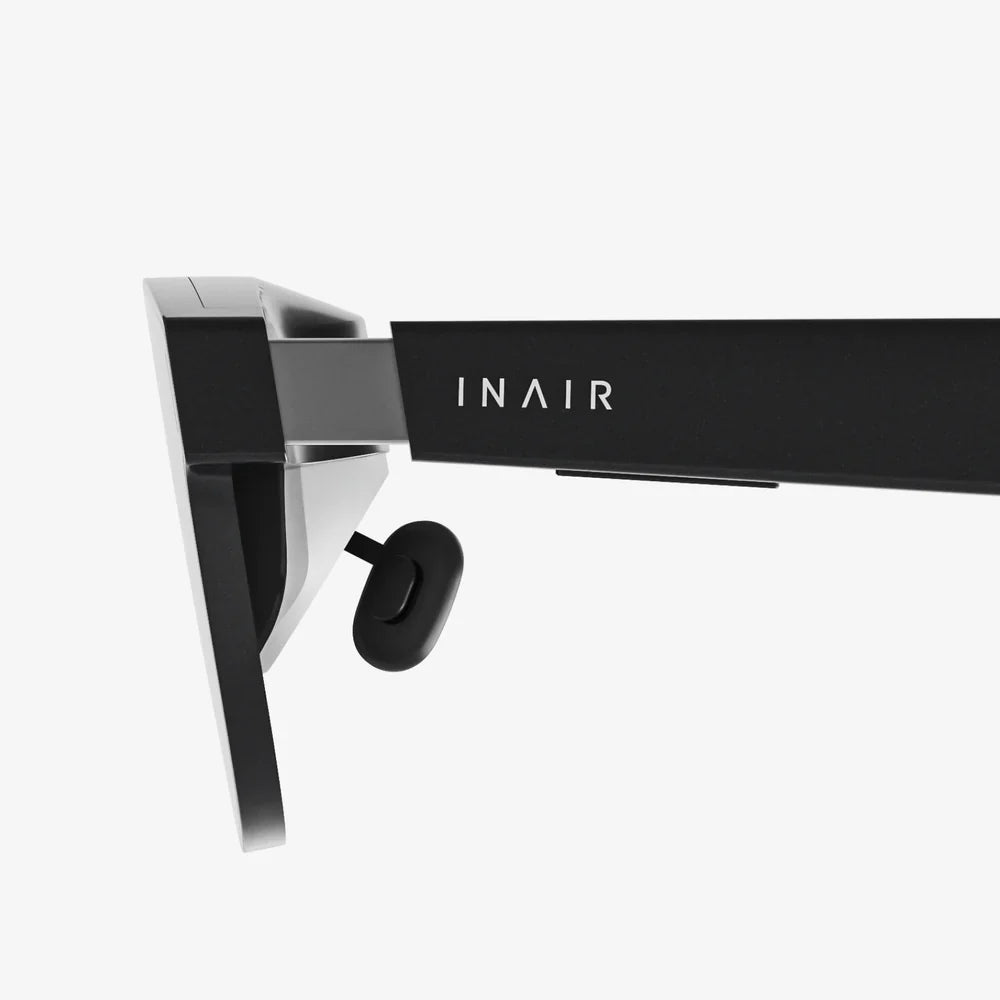
The evolution of XR is moving towards lighter, more powerful, and more socially integrated technology. We are moving beyond clunky headsets towards sleek glasses that you can wear all day. The future of XR is about contextual and ambient computing—where digital information is seamlessly integrated into our perception of the world, available when we need it and invisible when we don't.
The ultimate goal is a shift from device-based to human-centric computing. The technology will fade into the background, and the experiences—the connections, the creations, the discoveries—will move to the foreground. The line between virtual and physical will become so blurred that the question won't be "is this real?" but "is this experience valuable?"
Imagine a world where your entire field of view becomes an infinite canvas for information, creativity, and connection. Your morning run is guided by floating metrics only you can see, your work meeting involves manipulating holographic data with a wave of your hand, and your evening unwind is a journey to a serene, digitally-crafted beach. This isn't a distant sci-fi fantasy; it's the logical endpoint of the XR revolution already unfolding. The devices will get smaller, the graphics more photorealistic, and the interactions more intuitive, until the technology itself disappears, leaving only the magic of an extended reality. The journey to redefine reality itself has just begun, and the destination is limited only by our imagination.