


- by wangfred
What Equipment Do You Need for Virtual Reality - The Complete Starter Kit
- by wangfred
Imagine stepping through a portal into another world, feeling the sun on your virtual skin, reaching out to touch digital objects that seem startlingly real, and losing yourself in an experience that transcends the boundaries of your physical room. This is the promise of virtual reality, a technology that has exploded from science fiction fantasy into a tangible, awe-inspiring reality. But before you can don your headset and leap into these boundless digital realms, you need the right key to unlock the door. The journey begins not with a single device, but with a carefully curated ecosystem of technology designed to trick your senses and transport your mind. Assembling this kit is the first step in your adventure, and understanding each component is crucial to building an experience that is seamless, powerful, and utterly captivating.
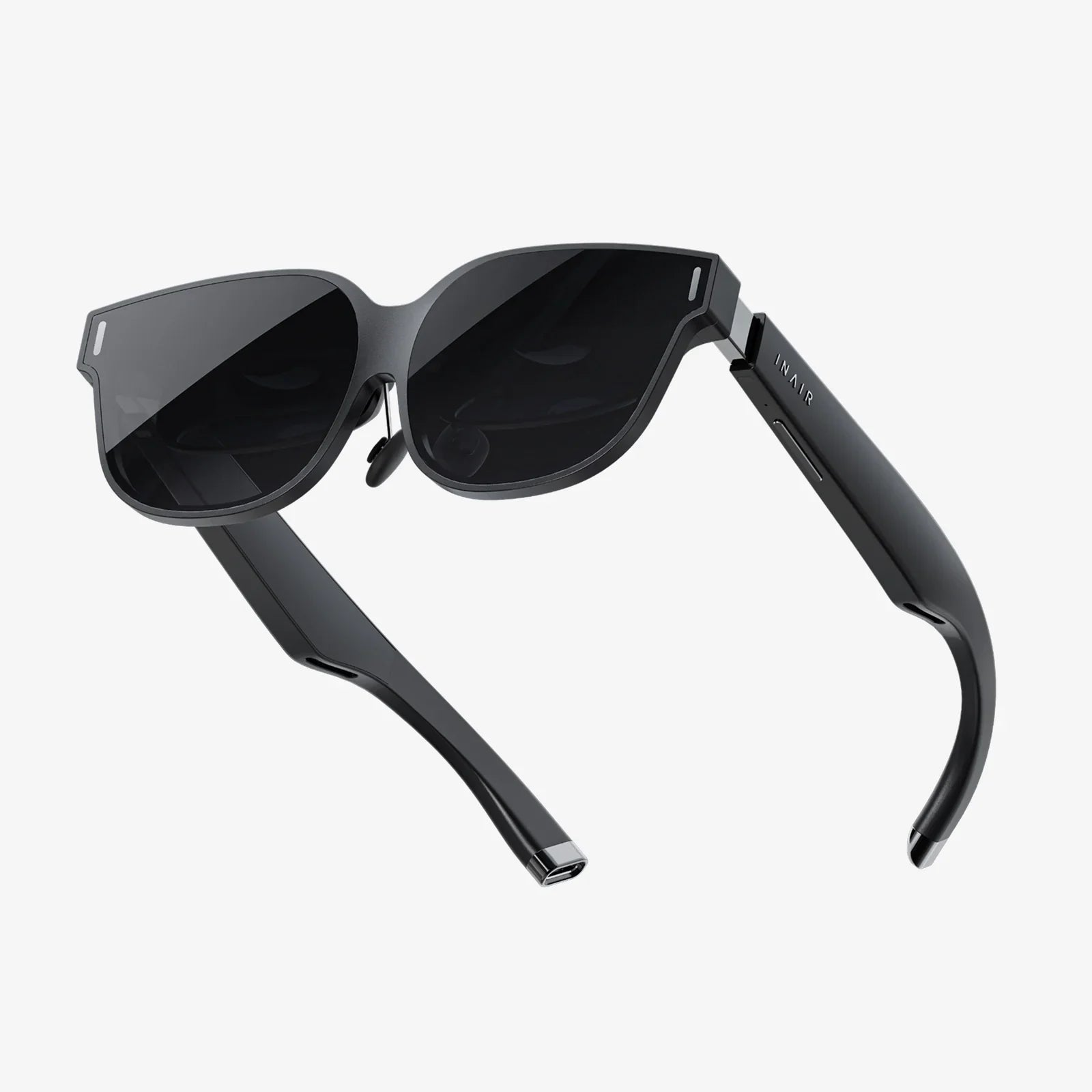
At the absolute core of any virtual reality setup is the head-mounted display, or HMD. This is the device you wear on your head, and it is your window into the virtual world. It's a sophisticated piece of engineering that houses the screens, lenses, and sensors necessary to create the illusion of depth and space. When choosing this primary piece of equipment, you'll encounter three distinct categories, each with its own philosophy towards immersion.
These high-end devices represent the pinnacle of consumer virtual reality fidelity. They are called "tethered" because they connect via a high-speed cable to a powerful external computer, which acts as the brain of the operation. This external machine handles the intense graphical processing required to render complex, high-resolution worlds at a blistering frame rate. The headset itself is essentially a sophisticated display and tracking device. The primary advantage of this setup is raw power. Tethered systems deliver the most visually stunning, detailed, and physically accurate experiences available. The trade-off is a higher cost, a more complex setup involving the cable, and a limitation on your physical movement dictated by the length of that tether.
Standalone headsets are the all-in-one marvels of the VR world. They have the computing power, battery, and all necessary sensors built directly into the headset itself. There are no wires to a PC and no external tracking beacons to set up. You simply put it on, power it up, and you're free to move untethered in your space. This freedom and convenience have made standalone devices incredibly popular. They offer a fantastic, accessible entry point into VR. While the graphical capability may not yet match the absolute peak of tethered systems, the gap is closing rapidly, and the wireless, hassle-free experience is a compelling advantage for many users.
This category functions as an introductory gateway. These are head-mounted shells that lack their own screens. Instead, you slot your smartphone into the headset, and its display becomes your view into VR. The phone's internal sensors handle the head tracking. While this is an extremely low-cost way to sample basic 360-degree videos and simple games, it offers a significantly limited experience. Graphical fidelity, tracking accuracy, and interactivity are far behind dedicated systems. For a truly immersive and interactive virtual reality experience, a dedicated headset from one of the other two categories is essential.
To interact with a virtual world, you need your hands. This is where input devices come in. Gone are the days of simple gamepads; VR demands controllers that can translate your real-world movements into the digital space with precision and intuition.
These are the standard and most common input devices bundled with modern VR systems. Each controller is held in one hand and is packed with sensors, including accelerometers, gyroscopes, and often external cameras or lasers, that allow the system to track their position and rotation in 3D space. They typically feature analog sticks, buttons, and triggers for traditional input, alongside haptic feedback motors that provide subtle vibrations to simulate touch. This combination allows you to reach out, grab, throw, shoot, and manipulate objects with a natural feeling that is immediately understandable.
An emerging and incredibly immersive technology is the move towards controller-free input. Many modern headsets now feature outward-facing cameras capable of tracking the individual movements of your fingers and hands with high accuracy. This allows you to use your bare hands as the controller—making fists, pointing, giving thumbs-up, and pinching virtual objects between your fingers. It eliminates a layer of abstraction, making interactions feel even more direct and natural, perfect for social applications, menus, and experiences where holding a controller feels unnecessary.
For specialized simulations, particularly flight and racing simulators, dedicated peripherals can elevate the experience to new heights of realism. This includes:
For tethered VR systems, the headset is just the display; the real magic happens inside the computer it's connected to. VR is one of the most demanding tasks you can ask of a machine, as it must render two high-resolution images (one for each eye) at a super-smooth frame rate of 90Hz or higher to prevent motion sickness and maintain immersion.
A capable computer is non-negotiable for tethered VR. The key components are:
Standalone headsets, of course, have all this computing power integrated into the headset itself, which is a testament to the incredible miniaturization of technology.
Some video game consoles also support virtual reality through specific peripheral headsets designed to work with their ecosystem. This offers a more streamlined, plug-and-play experience compared to a gaming PC, as the hardware is standardized and the software is optimized specifically for that closed system.
Virtual reality experiences are broadly divided into two types, and your physical environment needs to accommodate your chosen style.
Many experiences, like driving simulators, flying games, or cinematic content, are designed to be enjoyed while sitting in a chair or standing in one spot. This requires minimal physical space—just enough room to safely extend your arms without hitting anything. This is the easiest way to enjoy VR in a smaller room.
This is where VR truly comes alive. Room-scale experiences allow you to physically walk around, crouch, kneel, and explore a virtual space that is mapped to your real-world play area. To enable this, you must define a boundary, often called a "Guardian" or "Chaperone" system. Using the headset's cameras or external sensors, you trace the safe area of your floor. When you move close to the edge of this digital boundary, a translucent grid wall appears in your virtual view, warning you not to step further and preventing you from bumping into your real-world furniture or walls. A clear, obstacle-free space is critical for safe room-scale play.
While not strictly necessary to start, a few key accessories can dramatically improve comfort, hygiene, and immersion.
High-quality, spatial 3D audio is half of the immersion equation. While some headsets have decent built-in speakers, for true presence, a good pair of headphones is recommended. Many headsets have a dedicated audio jack for this purpose. Over-ear headphones help block out external noise and fully envelop you in the soundscape of the virtual world.
VR can be an active hobby, and comfort is key for long sessions.
The doorway to countless realities is not a single product but a symphony of technology working in perfect harmony. It's the headset crafting visual wonder, the controllers granting you agency, the computer generating entire universes, and the space you create allowing you to physically step into them. This ecosystem is your passport to adventures limited only by imagination. Your perfect setup is waiting to be assembled, a personalized gateway to experiences that will redefine your understanding of play, social connection, and storytelling. The only question that remains is not what you need, but which world you will choose to explore first.
Share:
Best Virtual Reality Hardware - A Deep Dive into the Ultimate Immersive Experience
Virtual Reality (VR) Marketing: The Ultimate Immersive Strategy for Consumer Engagement