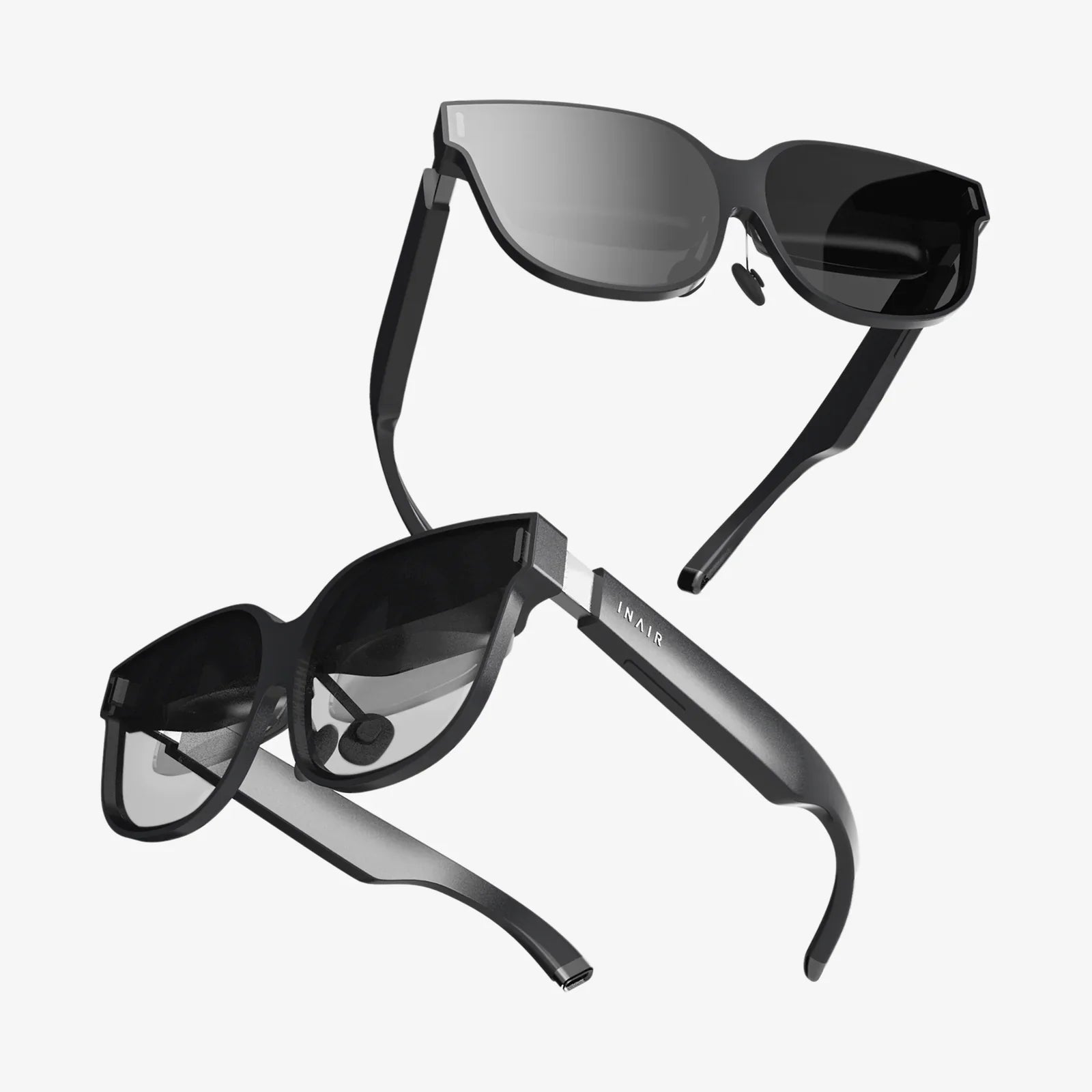
You've seen the breathtaking trailers, heard the excited testimonials, and felt that pull of curiosity. The world of virtual reality is no longer a distant sci-fi fantasy; it's here, and it's more accessible than ever. But stepping into this new dimension requires a key: the right headset. The question isn't just about buying a VR headset—it's about investing in a portal to new experiences. So, how do you cut through the noise and find the one that won't leave you with buyer's remorse or gathering dust on a shelf? The journey to finding your perfect digital window begins with understanding what separates a mediocre experience from a truly transformative one.
The quest to define a good virtual reality headset is not about naming a single champion. It’s a personal equation balancing performance, comfort, content, and cost. What is perfect for a hardcore gamer might be overkill for a fitness enthusiast, and what works for a family living room might not suit a solitary traveler. This guide will dissect the core components of VR technology, empowering you to make an informed decision tailored to your virtual aspirations.
The Pillars of VR: Breaking Down the Essential Components
At its heart, a VR headset is a sophisticated piece of hardware designed to trick your senses into believing you're somewhere else. The quality of this illusion rests on several critical pillars.
Display and Visual Fidelity: Your Window to Another World
The screens inside the headset are your eyes in the virtual world. Their quality directly dictates the immersion and comfort of your experience.
-
Resolution and Pixel Density (PPI): This is arguably the most discussed spec. Higher resolution means sharper images with less "screen door effect"—that visible grid of lines between pixels that can shatter immersion. A good headset will have a high enough resolution to make text readable and distant objects clear, minimizing visual fatigue.
-
Refresh Rate: Measured in Hertz (Hz), this is how many times the image on the screen refreshes per second. A higher refresh rate (90Hz and above is standard for good headsets) is crucial for smooth, fluid motion. Low refresh rates can lead to judder, lag, and for some, motion sickness. For fast-paced games and simulations, 120Hz or even 144Hz is becoming the new gold standard.
-
Field of View (FoV): This is the extent of the virtual world you can see at any given moment, measured diagonally in degrees. A wider FoV (110 degrees or more) feels more natural and immersive, like looking through a diving mask rather than a narrow tunnel. A narrow FoV can constantly remind you that you're wearing a headset.
-
Lens Quality: High-quality lenses are just as important as the screens themselves. They focus the image and are responsible for the "sweet spot"—the area where the image is perfectly clear. Good lenses have a large sweet spot, reducing the need to constantly readjust the headset and providing edge-to-edge clarity.
Tracking and Controllers: Your Body in the Virtual Space
How does the headset know where you are and what you're doing? Tracking technology is the magic that translates your real-world movements into the digital realm.
-
Inside-Out vs. Outside-In Tracking: This is a fundamental divide. Outside-in tracking uses external sensors or base stations placed around your room to precisely track the position of the headset and controllers. It's renowned for its pinpoint accuracy, especially for competitive gaming. Inside-out tracking uses cameras mounted on the headset itself to map the room and track controller movements. It's far more convenient and portable, with no external hardware to set up, making it the standard for most modern consumer headsets. The gap in accuracy between the two has narrowed significantly.
-
Controller Design and Haptics: Your controllers are your hands in VR. A good pair should feel intuitive, ergonomic, and durable. They should have a full complement of buttons, analog sticks, and triggers. Beyond that, advanced haptic feedback is a game-changer. Instead of a simple rumble, nuanced haptics can simulate the feeling of touching different surfaces, the recoil of a weapon, or the gentle patter of rain, adding a profound layer of tactile immersion.
Performance and Processing: The Brain Behind the Operation
The visual spectacle of VR is incredibly demanding. The hardware responsible for generating it is a major differentiator.
-
Standalone vs. Tethered (PCVR): A standalone headset has all the necessary computing power built-in. It's wireless, self-contained, and incredibly user-friendly—you put it on and go. This convenience often comes at the cost of raw graphical power, as it's limited by mobile processing chips and battery life. A tethered headset connects via a cable to a powerful external computer or console. This setup unlocks the highest possible fidelity, with stunning graphics, complex physics, and vast, detailed worlds. The trade-off is being physically tethered and requiring a significant investment in complementary hardware.
-
Processor and Graphics: For standalone devices, the system-on-a-chip (SoC) is its brain, handling everything from gameplay to tracking. Newer generations offer dramatically improved performance and efficiency. For PCVR, the burden falls on your computer's graphics card (GPU) and processor (CPU). A good VR experience demands a high-end GPU, making this a crucial consideration for your overall budget.
Comfort and Design: The Long-Haul Experience
You can have the most powerful headset in the world, but if it's unbearable to wear, it's useless. Comfort is a feature, not an afterthought.
-
Weight Distribution and Straps: A good headset distributes its weight evenly across your head and face. Elite-style straps that cup the back of your skull are generally superior to simple elastic bands, reducing pressure on your cheeks and forehead. This is essential for sessions longer than 30 minutes.
-
Materials and Ventilation: Plush, breathable facial interfaces (the part that touches your face) are vital. They should be easy to clean or replace. Adequate ventilation is also key to preventing the lenses from fogging up and to keeping you cool during active experiences.
-
IPD Adjustment: Interpupillary Distance (IPD) is the distance between your pupils. A good headset offers a way to physically or digitally adjust the lens spacing to match your IPD. An incorrect IPD setting can cause eye strain, headaches, and a blurry image.
Defining "Good" by Use Case: One Size Does Not Fit All
The definition of a "good" headset shifts dramatically depending on how you intend to use it. Let's explore the priorities for different types of users.
The Avid Gamer
For the user who wants to dive into the most graphically intensive and immersive games, priorities are clear:
-
Top-Tier Visuals: High resolution, wide FoV, and a high refresh rate are non-negotiable for detail and smooth gameplay.
-
Precise Tracking: Low-latency, millimeter-accurate tracking is essential for competitive play and immersive interaction.
-
Wide, High-Quality Content Library: Access to a deep bench of AAA titles and innovative indie games is a must.
-
Priority: Often, this user will prioritize a tethered PCVR setup for maximum power, sacrificing some convenience for unparalleled performance.
The Fitness and Wellness Enthusiast
VR has exploded as a platform for exercise, from rhythm games to dedicated fitness apps. This user needs:
-
Comfort and Security: The headset must stay firmly in place during intense movement. Breathable materials and good sweat resistance are critical.
-
Wireless Freedom: A cable is a tripping hazard and a major impediment to a workout. A standalone headset is almost always the better choice here.
-
Clear Lenses and Good Tracking: Fogging is the enemy. Good ventilation and lens design are key. Tracking must be robust enough to handle fast arm swings and squats.
The Social Explorer and Media Consumer
For those who want to attend virtual concerts, watch movies on a giant screen, or simply hang out with friends in social spaces, the needs are different:
-
Sharp Resolution: For watching video content, pixel density is king to make the virtual screen look like a real, high-definition display.
-
Ease of Use: The headset should be simple to set up and jump into. A cumbersome setup process kills the spontaneity of socializing.
-
Lightweight Comfort: For long movie-watching sessions or extended social gatherings, a light and comfortable design is paramount.
-
Built-in Audio: Good spatial audio speakers that don't require headphones provide convenience and shared experiences.
The Professional and Creator
Architects, designers, and artists using VR for work have unique demands:
-
Highest Possible Resolution: Visual clarity is necessary for examining fine details in 3D models or designs.
-
Accuracy and Fidelity: Both visual and tracking accuracy are needed for precision work.
-
Software Ecosystem: Access to professional-grade creation, visualization, and collaboration tools is more important than access to games.
Beyond the Hardware: The Intangible Ecosystem
A headset is not just a piece of hardware; it's a key to a walled garden. The ecosystem surrounding it is a huge part of what makes it "good."
-
Content Library: What good is a powerful headset without great software? The availability of apps, games, and experiences is a primary consideration. Some platforms have exclusive titles that can be a major selling point.
-
User Interface (UI) and Experience (UX): The digital environment you boot into should be intuitive, responsive, and pleasant to use. A clunky, slow UI can sour the entire VR experience before you even start an app.
-
Software Support and Updates: A company that consistently provides software updates, new features, and performance improvements demonstrates a long-term commitment to its platform and users.
- Social Features:
-
Social Features: The ability to easily connect with friends, share experiences, and build a community within the platform adds tremendous value.
-
Accessibility Options: A good platform offers a range of settings to accommodate different needs, such as options for seated play, varied locomotion styles to reduce motion sickness, and visual aids.
The Final Factor: Your Budget and Future-Proofing
Cost is the ultimate reality check. VR headsets range from surprisingly affordable to professional-grade expensive. A good headset is one that delivers the best value within your specific budget. It's also wise to think about longevity. Technology evolves rapidly. While you can't future-proof completely, opting for a headset from a company with a strong track record of support and a platform that is growing, rather than stagnating, will help protect your investment for years to come.
Ultimately, the search for a good virtual reality headset is a journey of self-discovery. It forces you to ask what you truly want from this technology. Is it the heart-pounding thrill of a digital battlefield, the serene focus of a virtual studio, the sweat-drenched triumph of a workout, or the simple joy of sharing a laugh in a world without physical boundaries? By weighing the pillars of display, tracking, performance, and comfort against your personal use case and budget, the answer becomes clear. The perfect headset isn't the one with the highest specs on paper; it's the one that disappears on your face, leaving only the wonder of the world it reveals.
Your adventure awaits, and it's closer than you think. The right choice will unlock not just games or apps, but new ways to connect, create, and experience the impossible. The only thing standing between you and that reality is making the informed decision that turns a piece of technology into your personal gateway.