


- by wangfred
What Is a Microdisplay Output: The Invisible Engine Powering Your Visual World
- by wangfred
In a world obsessed with bigger screens and more immersive experiences, a quiet technological revolution is happening in the opposite direction. It’s not about making displays larger; it’s about making the technology behind them astonishingly small, powerful, and efficient. This is the world of the microdisplay output, an invisible engine that is fundamentally changing how we interact with digital information, from the smartphones in our pockets to the headsets that transport us to other realities.
At its simplest, a microdisplay output refers to the visual signal generated by an exceptionally small, high-resolution display panel and the accompanying electronic systems that process and transmit that signal. Unlike a traditional monitor or television screen, a microdisplay itself is typically tiny, often measuring less than one inch diagonally. Its primary function is not to be viewed directly but to serve as a pixel-dense source image that is then optically magnified and projected for the human eye to see.
Think of it like the difference between looking at a postage stamp and looking through a magnifying glass at that same stamp. The microdisplay is the intricately detailed stamp, and the sophisticated optical system is the magnifying glass. This core principle of creating a small, perfect image and then enlarging it for viewing is what sets microdisplay technology apart and enables its most exciting applications.
The magic of a microdisplay output system lies in the seamless integration of several advanced technologies. The process can be broken down into three key stages:
This is the domain of the microdisplay panel itself. Several competing technologies dominate this space, each with its own strengths:
The raw image data from a source (a computer, media player, or smartphone) is rarely in a format ready for the microdisplay. A dedicated processor, often an Application-Specific Integrated Circuit (ASIC), takes this data. Its job is to deconstruct the incoming signal, perform critical tasks like scaling the image to the microdisplay's native resolution, managing color gamut, enhancing contrast, and ensuring the signal is timed perfectly for the specific type of microdisplay technology being used. This stage is crucial for eliminating latency and ensuring a sharp, clear, and responsive final image.
This is the final and most visible stage. The tiny, bright image generated by the microdisplay is fed into a complex set of lenses and prisms. This optical engine is responsible for collimating the light (making the rays parallel) and magnifying the virtual image to appear as a large screen floating in space, often at a comfortable focal distance for the eyes to reduce strain. The precision and quality of these optics are just as important as the microdisplay itself in determining the overall clarity, field of view, and visual comfort of the experience.
When evaluating microdisplay outputs, several specifications are paramount:
The applications for this technology extend far beyond a single consumer product and are rapidly proliferating across industries.
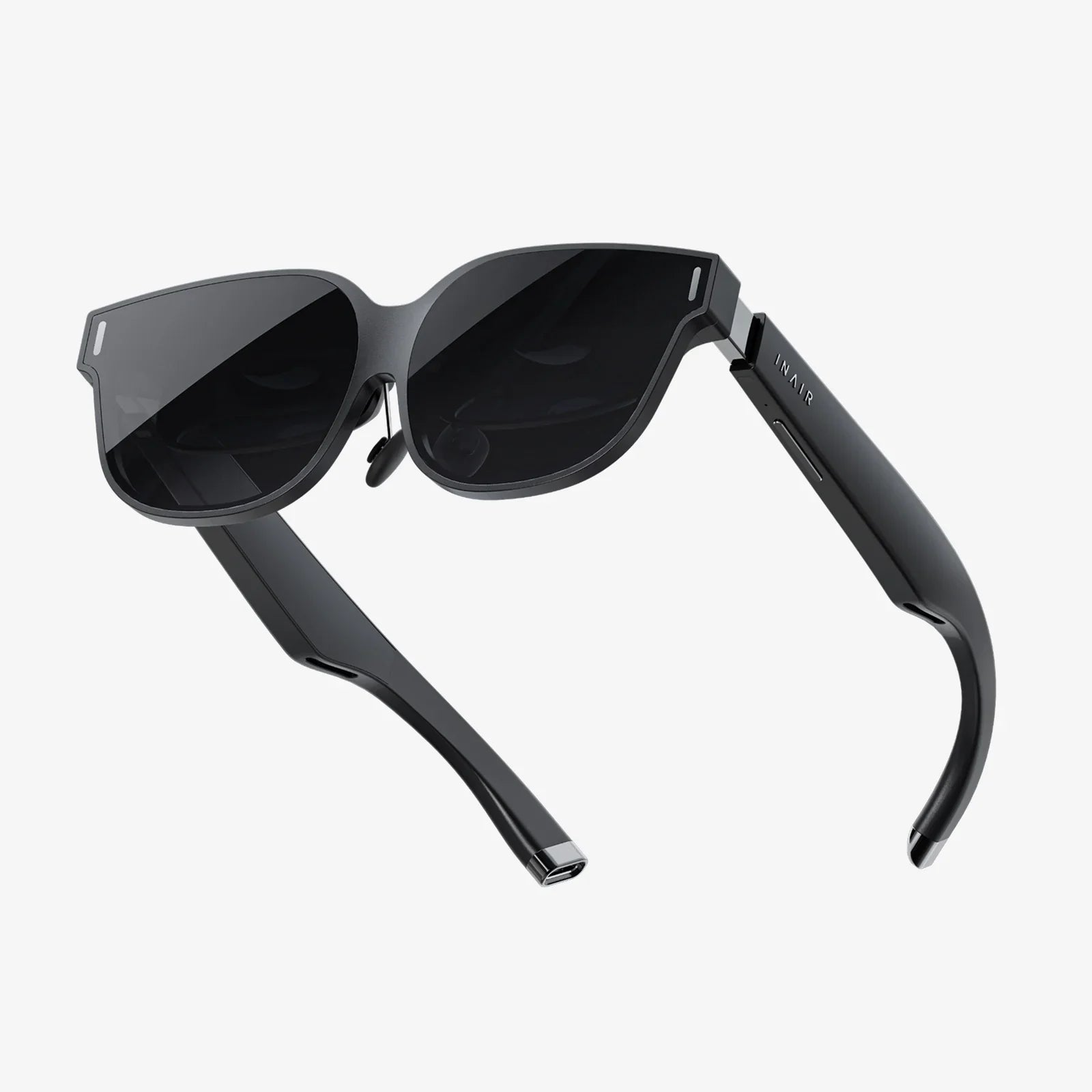
This is the most prominent and consumer-facing application.
Modern high-end projectors for home theaters, cinemas, and large venue events increasingly rely on microdisplay technology (particularly LCoS and DLP) to generate incredibly bright, sharp, and colorful images that can be projected onto screens measuring over 100 inches.
Helmet-mounted displays in fighter jets provide pilots with crucial targeting and flight information directly in their line of sight. These head-up displays (HUDs) are a form of augmented reality, allowing pilots to keep their "heads up" and eyes on the battlefield while accessing data.
Surgeons are using headsets with microdisplay outputs to view patient vitals, MRI scans, and other critical data hands-free during procedures. Medical displays for diagnostics also benefit from the high resolution and color accuracy that microdisplay technologies can provide.
From warehouse workers seeing picking lists and inventory data to field engineers receiving schematics and instructions overlaid on complex machinery, microdisplay outputs are becoming a key tool for improving efficiency and accuracy in the industrial workforce.
The trajectory of microdisplay output technology points toward even greater miniaturization, higher resolutions, and increased efficiency. We are moving toward waveguides and holographic optics that will make the glasses themselves look increasingly ordinary. The integration of eye-tracking and variable focus will solve the vergence-accommodation conflict, a key source of discomfort in current VR/AR systems, making experiences more natural and comfortable for longer periods. Furthermore, the development of laser beam scanning and even retinal projection technologies hints at a future where displays are not just near-eye but projected directly onto our retinas, offering unprecedented clarity and brightness.
While the sleek headsets and smart glasses capture the public's imagination, it's the unheralded microdisplay output working tirelessly within that is the true hero of this visual revolution. This technology is quietly shrinking our world while infinitely expanding its possibilities, weaving a layer of digital intelligence directly into the fabric of our perception and redefining the very boundaries of reality itself.
Share:
Discovery Smart Devices Are Redefining Our Daily Lives and Future
AI Interaction The Silent Revolution Reshaping Our Digital Lives