


- by wangfred
What Is A Standalone VR Headset - Your Ultimate Guide To Untethered Virtual Reality
- by wangfred
Imagine stepping into a vast, digital universe, your movements completely free, untethered from the constraints of cables and external hardware. This isn't a glimpse into a distant future; it's the reality offered by a technological marvel that is democratizing virtual reality for the masses. The quest for seamless immersion has led to one of the most significant innovations in the field: the standalone VR headset. This all-in-one device is not just a piece of technology; it's a portal to boundless experiences, and understanding its essence is the first step into a new dimension of entertainment, work, and social connection.
At its most fundamental level, a standalone virtual reality headset is a self-contained unit that does not require a connection to an external computer, console, or smartphone to function. It is a complete ecosystem housed within a single, wearable device. Think of it as the difference between a traditional desktop computer that needs a monitor, tower, keyboard, and mouse, and a modern, powerful laptop that integrates all those components into one portable package.
This integration is its defining characteristic. Unlike its predecessors, which were essentially sophisticated displays reliant on the processing power of another device, a standalone headset has its own brain. It contains an onboard processor (CPU/GPU), memory (RAM), internal storage, a battery, and a sophisticated array of sensors and cameras. This holistic design eliminates the primary barrier to entry for many potential users: the need for expensive, high-end computing hardware. It represents a shift from VR as a peripheral to VR as a platform unto itself.
The journey to the standalone headset is a story of rapid technological evolution. The modern VR renaissance began with headsets that were firmly tethered to powerful gaming PCs. These devices offered, and continue to offer, the highest-fidelity experiences but came with a high cost of ownership and a literal cable that could break immersion and pose a tripping hazard.
The next iteration involved harnessing the power of smartphones. These mobile VR platforms used a handset's screen, processor, and sensors to create a more accessible, albeit less powerful, experience. While affordable, they were limited by the phone's thermal and processing constraints and often lacked positional tracking, meaning users could look around but not move within the virtual space.
The standalone headset emerged as the synthesis of these two paths. It took the self-contained nature of mobile VR but incorporated the dedicated, high-performance hardware and full positional tracking of PC-based systems. This convergence created a new category that balanced performance, convenience, and affordability, effectively breaking down the walls between users and the virtual world.
The magic of a standalone headset lies in its meticulously engineered interior. Every component is optimized for performance, power efficiency, and spatial awareness.
Users peer into the virtual world through high-resolution LCD or OLED displays, typically one for each eye to create a stereoscopic 3D effect. These are paired with specially designed Fresnel or pancake lenses that focus the image, widen the field of view (FOV), and create a comfortable, immersive picture. The quality of this optical stack is paramount, directly impacting the clarity, realism, and visual comfort of the experience.
At the heart of the device is a System-on-a-Chip (SoC). These are not standard mobile processors; they are often custom-designed variants built on architectures that prioritize the immense parallel processing required for VR. They must render two high-resolution displays at a blisteringly fast refresh rate (90Hz or higher) to prevent motion sickness, all while managing complex tracking algorithms and running the actual software. This requires a perfect balance of raw power and exceptional thermal management within a very small form factor.
This is perhaps the most revolutionary aspect. Standalone headsets utilize a technology called inside-out tracking. Instead of relying on external sensors or base stations placed around the room, the headset uses multiple wide-angle cameras mounted on its exterior. These cameras continuously scan the physical environment, tracking the position of the headset and the controllers relative to the room. This creates a virtual map of your playspace, allowing you to walk around, duck, dodge, and interact naturally. It also enables features like passthrough, where the cameras can feed a grayscale or color video feed of your real surroundings into the headset, letting you see the physical world without taking the device off.
As a wireless device, battery life is a critical consideration. Most standalone headsets offer between two to three hours of active use on a single charge, though this can vary dramatically based on the intensity of the application. This finite play session is a trade-off for complete wireless freedom. The placement of the battery—whether integrated into the headstrap or the main visor—is a key design decision that affects weight distribution and comfort.
A standalone headset is useless without a robust operating system and software library. These devices run on custom-built mobile operating systems designed specifically for VR. This software layer manages everything from the home environment (a virtual lounge where users start their journey) to system updates, social features, and the digital storefront.
The curated app store is the lifeblood of the platform. It hosts a vast array of content, including games, fitness applications, social hubs, creative tools, educational experiences, and professional productivity software. The success of a standalone platform is intrinsically linked to the strength, diversity, and quality of its available software, creating a vibrant ecosystem that encourages continuous development and engagement.
The appeal of standalone VR is multifaceted and has been the driving force behind its widespread adoption.
Despite its revolutionary nature, the standalone paradigm is not without its compromises, primarily due to the laws of physics and thermal dynamics.
Standalone VR has exploded beyond its gaming roots. Its accessibility and ease of use have made it a tool for countless applications:
The trajectory of standalone VR is one of relentless improvement. We are already seeing the lines blur with the advent of standalone headsets with optional tethering capabilities. This hybrid approach allows users to enjoy wireless freedom for most applications but also connect to a powerful PC for access to the highest-end experiences, offering the best of both worlds.
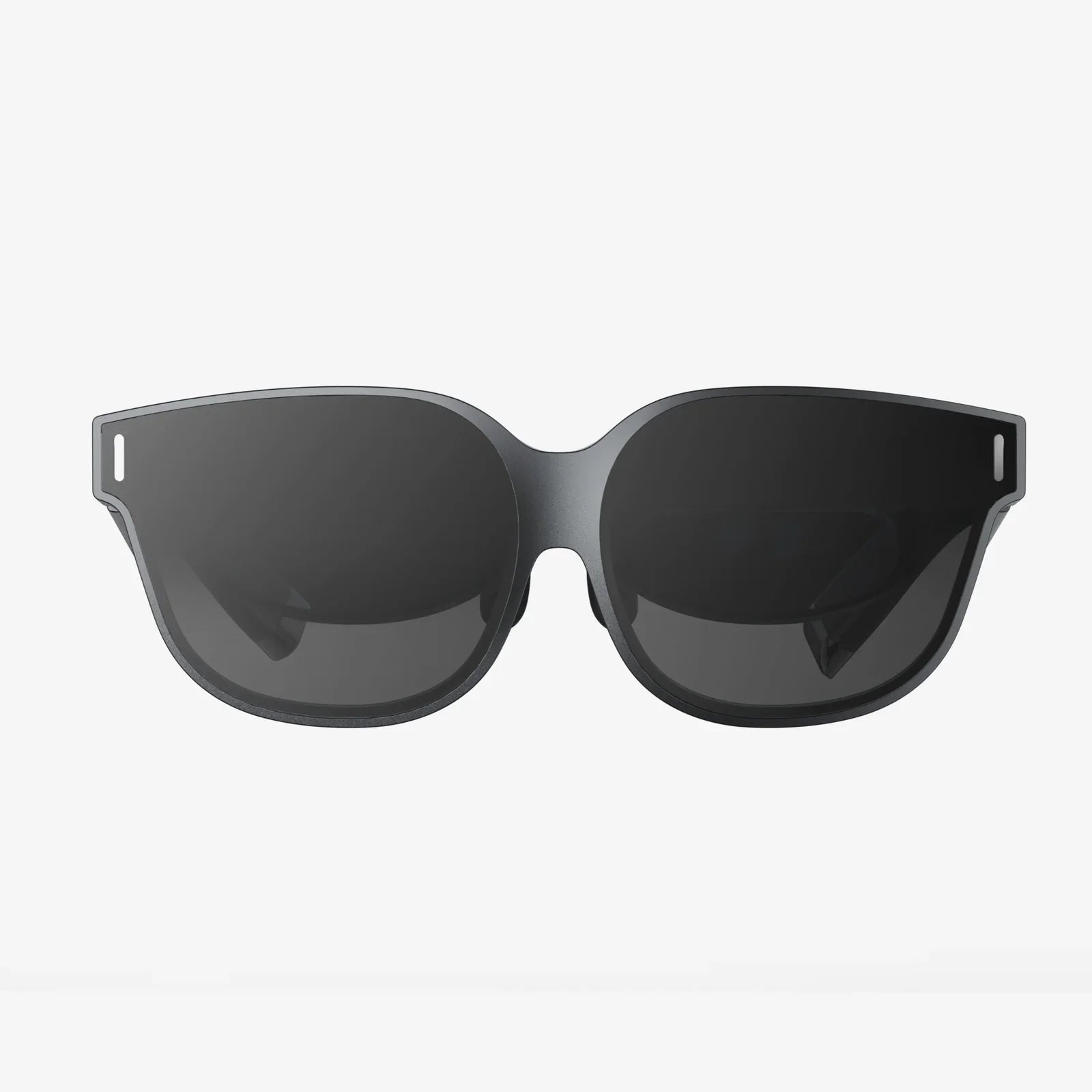
Future iterations will feature even more powerful and efficient processors, higher-resolution displays with advanced pancake lenses for better clarity and smaller form factors, and improved battery technology. The ultimate goal is to create a device that is as lightweight and comfortable as a pair of sunglasses but capable of delivering photorealistic virtual and augmented reality experiences. The pursuit of true visual immersion through technologies like varifocal displays and eye-tracking will further enhance comfort and realism.
The standalone VR headset is far more than just a gaming console for your face. It is a testament to the incredible pace of miniaturization and innovation in consumer technology. It has successfully transformed virtual reality from a niche hobby for tech enthusiasts into a mainstream medium with the power to redefine how we play, work, learn, and connect. It has broken the chain, and in doing so, has unlocked a universe of potential that is only just beginning to be explored.
You've now peered behind the visor and seen the intricate dance of technology that makes untethered virtual reality possible. The question is no longer about what these devices are, but what you will do with them. A world of immersive fitness, boundless social spaces, and breathtaking adventures awaits, all without a single cable in sight. The only thing left to do is take that first step into a reality limited only by imagination.
Share:
Best Affordable VR Headset 2025: The Ultimate Buyer's Guide
Top VR Headset 2025: The Ultimate Guide to the Future of Immersion