


Imagine a workspace without a daily commute, without the overhead of a physical lease, yet brimming with global talent and professional infrastructure. This is not a distant future fantasy; it is the present-day reality for millions of professionals and businesses worldwide. The traditional concept of an office, bound by four walls and a fixed address, is being radically redefined by a powerful, flexible, and increasingly prevalent model: the virtual office setting. This transformative approach to work is dismantling geographical barriers, unlocking unprecedented operational agility, and fundamentally changing how we think about productivity, collaboration, and corporate culture. Whether you're a seasoned remote worker, a curious entrepreneur, or a corporate leader navigating the new normal, understanding the intricacies of the virtual office is no longer optional—it's essential for thriving in the modern economy.
Deconstructing the Virtual Office: Beyond a Simple Home Office
At its core, a virtual office setting is a combination of technology, strategy, and services that allows businesses and employees to operate remotely while maintaining a professional presence and full operational capacity. It is a profound misconception to equate a virtual office merely with working from home. While a home office can be a component, the virtual office is a comprehensive ecosystem designed to replicate and often enhance the functionality of a traditional physical office, without the constraints of location.
The architecture of a virtual office is built upon several foundational pillars:
- A Professional Business Address: This is often the cornerstone service. Companies can secure a prestigious address in a sought-after business district for mail handling, legal registration, and enhancing brand perception, without the exorbitant cost of physical space there.
- Remote Communication and Collaboration Tools: This is the digital lifeblood of the virtual office. It encompasses a suite of applications including video conferencing platforms, instant messaging apps, VoIP phone systems, and project management software. These tools create the "digital hallways" and "meeting rooms" where interaction and collaboration occur.
- Cloud-Based Infrastructure: The virtual office exists in the cloud. All critical business functions—file storage (via cloud drives), accounting software, customer relationship management (CRM) systems, and operational platforms—are hosted online, accessible securely from any device, anywhere in the world.
- On-Demand Physical Space: Many virtual office providers offer access to a network of physical spaces. This allows distributed teams to meet in person for important events, host clients in professional meeting rooms, or simply use a hot desk in a co-working space for a change of scenery, all on a pay-as-you-use basis.
- Administrative Support: Virtual often includes access to live receptionist services, call answering, mail forwarding, and other administrative tasks. This ensures that even a one-person startup can project the image and efficiency of a much larger organization.
This multi-faceted approach distinguishes a true virtual office from simple remote work. It is a deliberate, strategic setup designed for sustainability, scalability, and professionalism.
The Unmistakable Advantages: Why the Shift is Happening
The rapid adoption of the virtual office model is driven by a compelling array of benefits for both employers and employees, creating a powerful win-win scenario that is difficult for traditional models to compete with.
For Businesses and Organizations
- Drastic Reduction in Overhead Costs: This is often the most immediate and attractive benefit. Eliminating expenses related to physical office space—such as rent, utilities, property taxes, office furniture, cleaning services, and commuting subsidies—can save businesses tens or even hundreds of thousands of dollars annually.
- Access to a Global Talent Pool: Companies are no longer restricted to hiring within a commutable distance of their office. They can recruit the best person for the role, regardless of whether they live in a different city, state, or country. This leads to more diverse, skilled, and innovative teams.
- Enhanced Scalability and Flexibility: A virtual office allows a business to scale up or down with incredible agility. Adding new team members does not require leasing more square footage. This model is ideal for startups, growing businesses, and those with project-based or seasonal fluctuations.
- Increased Productivity and Performance: Contrary to outdated skepticism, numerous studies have shown that remote workers often report higher productivity levels due to fewer distractions from office chatter, impromptu meetings, and a generally noisy environment. The autonomy granted in a virtual setting can also boost morale and job satisfaction, further enhancing output.
- Business Continuity and Disaster Recovery: A virtual office is inherently resilient. It is not vulnerable to local disruptions such as power outages, extreme weather events, or public health crises. Operations can continue seamlessly from dispersed locations, ensuring uninterrupted service for clients.
For Employees and Contractors
- Improved Work-Life Integration: The elimination of a daily commute can reclaim hours each week, reducing stress and freeing up time for family, hobbies, and personal well-being. Employees gain greater control over their schedules, allowing them to work during their most productive hours and manage personal appointments more easily.
- Location Independence: This is the dream of the digital nomad made reality. Employees can live wherever they choose—closer to family, in a more affordable city, or even while traveling the world—without jeopardizing their career. This freedom is a powerful motivator and a highly valued perk.
- Reduced Personal Expenses: Employees save significant money on commuting costs (gas, public transit fares, car maintenance), professional wardrobe expenses, and daily lunches out.
- Autonomy and Empowerment: Working in a virtual setting requires and fosters a high degree of self-discipline, time management, and intrinsic motivation. This trust and responsibility from employers can lead to increased job satisfaction and professional growth.
Navigating the Challenges: Strategies for Success
Despite its many advantages, the virtual office model is not without its challenges. A successful implementation requires conscious effort and strategic planning to overcome potential pitfalls.
- Combating Feelings of Isolation: The lack of casual, face-to-face interaction can lead to loneliness and a weakened sense of team belonging. To mitigate this, companies must be intentional about creating connection. This includes scheduling regular video-based team check-ins that aren't just about work, creating virtual watercooler channels on communication platforms for non-work chat, and organizing periodic in-person meetups or retreats to strengthen bonds.
- Maintaining Clear Communication: In a physical office, information can be disseminated quickly through casual conversation. In a virtual setting, communication must be more deliberate, documented, and transparent. Establishing clear protocols for which tool to use for which type of communication (e.g., urgent matters on phone, project updates on the PM platform, casual chat on IM) is crucial. The principle of "over-communicating" is often a best practice.
- Upholding Cybersecurity: A distributed workforce means company data is accessed from numerous networks and devices, expanding the potential attack surface. Robust cybersecurity policies are non-negotiable. This includes mandatory use of a Virtual Private Network (VPN), multi-factor authentication (MFA) on all company accounts, regular security training for employees, and established protocols for secure file sharing.
- Managing Performance and Accountability: The old model of management by observation is obsolete. In a virtual office, leadership must shift to a focus on managing by results and outcomes. This involves setting clear, measurable goals and key performance indicators (KPIs), trusting employees to manage their time, and evaluating performance based on deliverables rather than hours spent online.
- Preventing Burnout and Setting Boundaries: When the office is in your home, the line between work life and personal life can easily blur, leading to employees working longer hours and struggling to "log off." It is essential for leadership to encourage and model healthy boundaries, such as respecting non-working hours, encouraging employees to use their paid time off, and promoting digital detoxes.
Building Your Virtual Office: A Practical Blueprint
Transitioning to or establishing a virtual office requires thoughtful investment in the right tools and technologies. The goal is to create a seamless, integrated, and secure digital environment.
Core Technology Stack:
- Communication: A reliable video conferencing tool for daily meetings and client calls is essential. A robust instant messaging platform is equally critical for quick, asynchronous communication.
- Collaboration: A central project management platform allows teams to track tasks, deadlines, and project progress in a transparent, organized manner. Cloud-based document editing suites enable real-time collaboration on files, spreadsheets, and presentations.
- Operations: Cloud-based solutions for CRM, accounting, and human resources ensure that all operational data is centralized and accessible to authorized personnel from anywhere.
- Infrastructure: A business-grade VPN provides a secure tunnel for internet traffic. A business VoIP phone system allows the company to have a dedicated business phone number that can be answered from any device, by any team member, anywhere.
Selecting these tools should be based on the specific needs of the business, ensuring they integrate well with each other to avoid digital friction and silos.
The Future is Virtual: The Evolution of Workspace
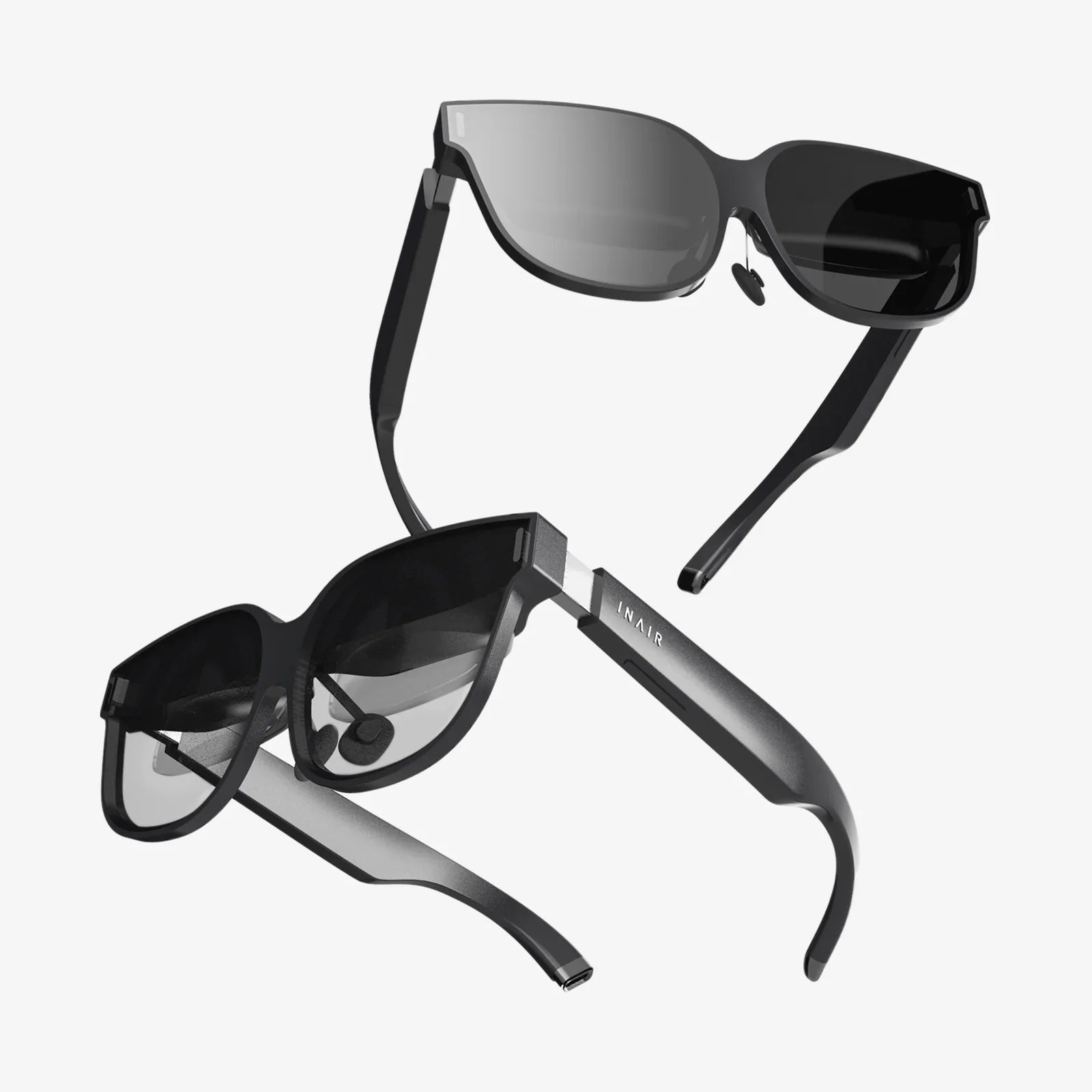
The virtual office setting is not a temporary trend; it is a fundamental and permanent shift in the paradigm of work. Its evolution will be shaped by several key technologies and cultural shifts. The integration of Virtual Reality (VR) and Augmented Reality (AR) promises to create even more immersive and interactive meeting spaces, potentially replicating the serendipitous interactions of a physical office. Furthermore, the rise of the gig economy and project-based work aligns perfectly with the flexible, on-demand nature of the virtual model. As digital native generations become a larger portion of the workforce, their innate comfort with technology and different expectations for work-life balance will further cement the virtual office as a standard, not an exception.
The trajectory is clear: the future of work is decentralized, digital, and flexible. The businesses that will lead in the coming decades are those that master the art of building cohesive, productive, and engaged cultures within a virtual office setting, leveraging its strengths while proactively addressing its challenges.
The concept of the office has been untethered from its physical roots, liberating businesses from astronomical costs and geographical limitations while empowering individuals with unprecedented autonomy over their careers and lives. What is a virtual office setting? It is the new frontier of professional collaboration, a dynamic and resilient ecosystem that represents the most significant transformation in how we work since the industrial revolution. It is a testament to human adaptability and technological innovation, proving that a team's strength is no longer measured by its proximity to a watercooler, but by the clarity of its vision, the strength of its communication, and the power of its digital connections. The door to this new world of work is open; the only question is whether you are ready to step through.
Share:
How to Enable Augmented Reality: A Complete Guide to Unlocking Digital Worlds
AR Technology Benefits: Transforming Industries and Redefining Human Experience