


- by wangfred
What Is A VR - A Deep Dive Into Virtual Realities And How They Work
- by wangfred
Imagine stepping through your screen into a new world, a place where the only limit is the imagination, where you can walk with dinosaurs, perform heart surgery, or stand on the surface of Mars—all from your living room. This is the captivating promise of Virtual Reality, a technology that has leapt from the pages of science fiction into our daily lives, poised to redefine how we work, play, and connect. But beyond the futuristic headsets and immersive experiences lies a complex and fascinating technological symphony. What exactly is this technology that can trick our senses so completely? How does it work, and where is it taking us? The journey to understand VR is a journey to the forefront of human-computer interaction.
At its most fundamental level, Virtual Reality (VR) is a computer-generated simulation of a three-dimensional environment that can be interacted with in a seemingly real or physical way by a person using special electronic equipment. The ultimate goal of VR is not just to show you a picture, but to create a sensation of presence—the convincing feeling of being physically present in that non-physical world. This psychological state is the holy grail of VR design, separating a mere 3D movie from a truly transformative experience. It's achieved by completely replacing your natural environment with a digital one, engaging your primary senses—sight, sound, and sometimes even touch—to create a powerful illusion.
While VR feels like a modern invention, its conceptual roots are surprisingly deep. The quest for artificial environments began with early flight simulators in the 1920s. However, the term "Virtual Reality" was popularized in the late 1980s by Jaron Lanier, whose company developed some of the first commercial goggles and gloves. The 1990s saw a wave of consumer interest, though the clunky, expensive technology of the era led to a period of dormancy. The modern VR renaissance began in the 2010s, driven by breakthroughs in smartphone technology—like high-resolution displays and precise motion sensors—which provided the perfect, cost-effective components to build powerful, accessible headsets. This convergence of technologies finally made high-fidelity virtual experiences a viable reality for millions.
The magic of VR doesn't happen by accident. It's the result of several sophisticated technologies working in perfect harmony to hijack your senses.
The primary gateway to a virtual world is sight. A VR headset uses a screen (or two screens, one for each eye) placed very close to the user's face. Special lenses are positioned between the eyes and the screen to focus and reshape the image for each eye, creating a stereoscopic 3D effect that provides depth perception. This is complemented by a high field of view (typically over 90 degrees) to fill your peripheral vision, preventing the "binoculars effect" and enhancing the feeling of being inside the world. Modern headsets boast incredibly high resolutions and fast refresh rates (90Hz and above) to ensure the image is sharp and smooth, critically reducing the latency that can cause motion sickness.
For the virtual world to feel responsive and real, the system must track your movements with extreme precision and speed. This is measured in Degrees of Freedom (DoF).
Visuals are only part of the story. 3D spatial audio is equally crucial. Unlike standard stereo sound, 3D audio uses head-related transfer functions (HRTF) to simulate how sound waves interact with the human head and ears. This means a sound source in the virtual world will change volume and timing as you turn your head, allowing you to locate it precisely. This is vital for both immersion and gameplay. Furthermore, haptic feedback through controllers or advanced suits provides the sense of touch, from the subtle vibration of a virtual object to the jarring impact of a virtual punch.
The hardware is a canvas, but the software is the paint. VR content is built using powerful game engines, which are suites of tools for creating 3D environments and experiences. These engines handle the complex physics, lighting, and real-time rendering required to make a world feel alive. Developers and artists use these tools to model assets, animate characters, and script interactions. A critical software consideration is motion-to-photon latency—the time between a user moving their head and the display updating to reflect that movement. Keeping this delay below 20 milliseconds is absolutely essential to maintain immersion and prevent simulator sickness, a type of nausea caused by a disconnect between visual motion and the body's sense of movement.
While gaming is the most famous application, VR's potential stretches far beyond entertainment, revolutionizing numerous professional fields.
VR offers unparalleled opportunities for experiential learning. Medical students can practice complex surgical procedures on virtual patients without risk. History students can take a guided tour of ancient Rome. Mechanics can train on the internal systems of a jet engine. This "learning by doing" in a safe, repeatable, and cost-effective environment is transforming pedagogy and professional certification.
The healthcare industry is embracing VR for both treatment and rehabilitation. It is effectively used for exposure therapy, helping patients with phobias or PTSD confront their triggers in a controlled setting. It's also a powerful tool for physical therapy, turning repetitive exercises into engaging games, and for pain distraction, immersing burn victims in a calming snowy landscape to reduce their perceived pain during wound care.
Architects and engineers are using VR for virtual walkthroughs of unbuilt structures, allowing clients to experience a space at a human scale and identify design flaws long before construction begins. Car manufacturers design and review vehicle interiors in VR, saving millions on physical prototypes. Remote teams can collaborate in shared virtual boardrooms as if they were in the same physical space.
Social VR platforms are creating new paradigms for connection. Users embodied as avatars can meet, talk, watch movies, play games, and attend concerts together, transcending geographical barriers. This offers a profound sense of shared presence that video calls cannot replicate, promising a new future for remote work and social interaction.
Despite its incredible potential, VR technology is not without its hurdles and ethical questions.
Issues like simulator sickness, the physical bulk and weight of headsets, and the need for powerful computing hardware remain barriers to mass adoption for some. The industry is continuously working on solutions like varifocal displays for more comfortable viewing, wireless technology for untethered freedom, and lighter materials for extended wear.
As we spend more time in virtual spaces, important questions arise. How will prolonged VR use affect our psychology and our relationship with the physical world? What are the privacy implications of headsets that can track eye movement and map our homes? Establishing clear ethical guidelines and safety protocols will be essential as the technology becomes more pervasive. Furthermore, the digital divide could widen if access to these transformative experiences becomes a marker of socioeconomic status.
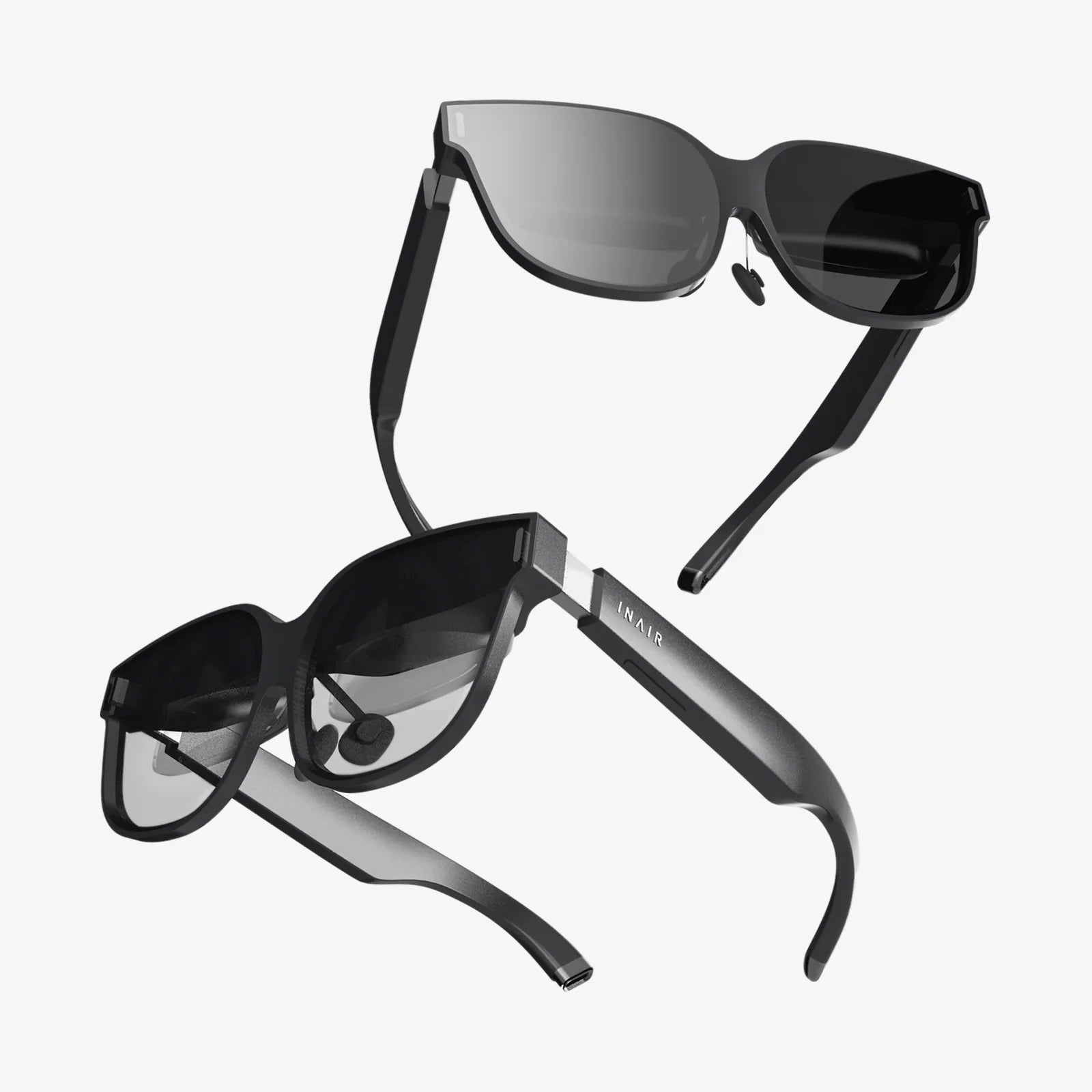
VR is often discussed alongside its sibling technology, Augmented Reality (AR). While VR replaces your vision with a digital world, AR overlays digital information onto your view of the real world. Think of smart glasses that display directions on the street in front of you. These technologies are converging towards Mixed Reality (MR), where digital and physical objects coexist and interact in real time. This spectrum of technologies is the foundational layer for the much-hyped metaverse—a persistent network of shared, interconnected virtual spaces focused on social connection. VR is poised to be the primary, most immersive gateway into this future iteration of the internet.
The door to these digital dimensions is now open, and it's a one-way trip. What began as a specialized tool is rapidly evolving into a new medium for human experience, a platform with the power to reshape everything from how we learn and heal to how we socialize and create. The question is no longer if virtual reality will become an integral part of our lives, but how quickly we will adapt to its possibilities and navigate its challenges to build a future that enhances, rather than replaces, our humanity.