


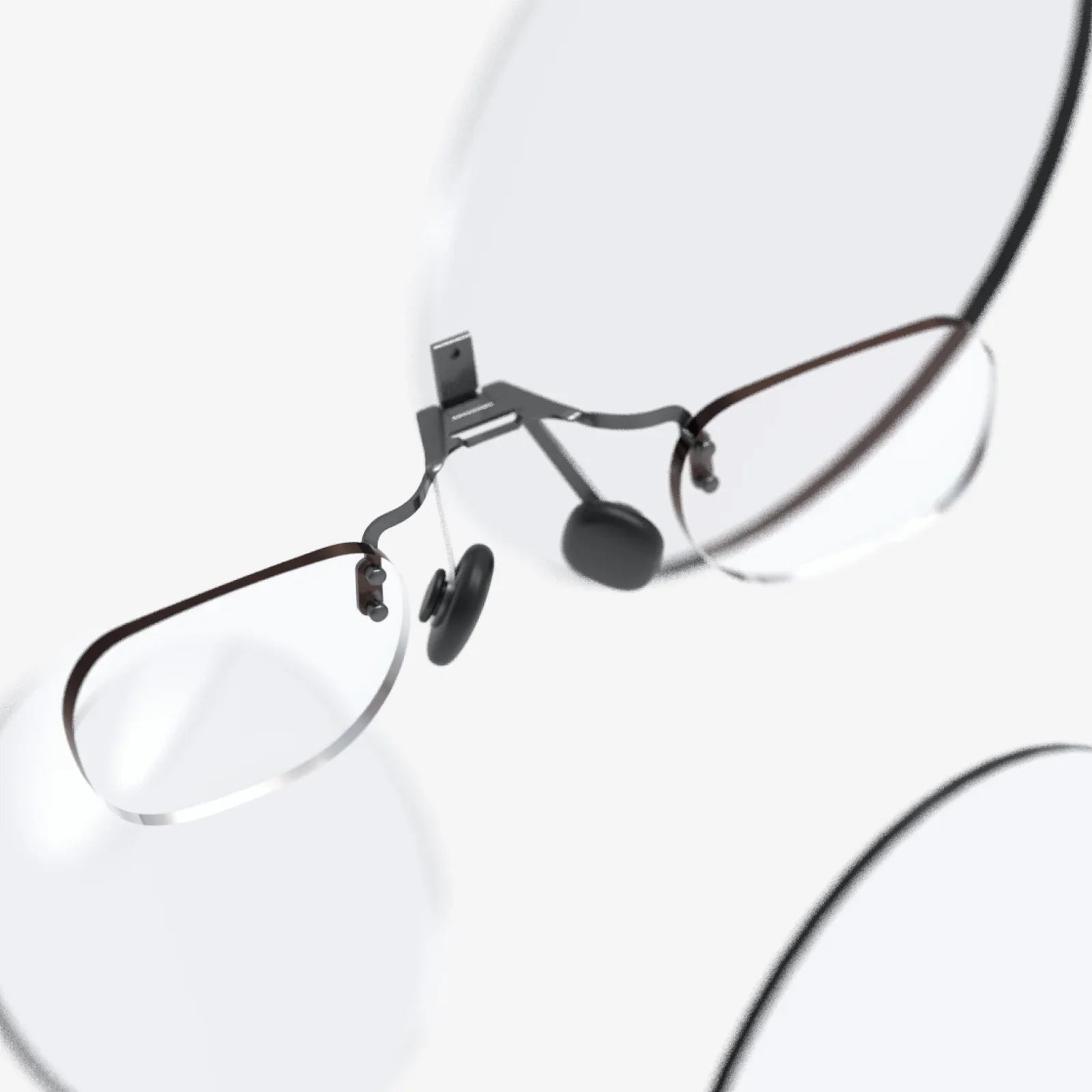
Imagine a world where your watch not only tells time but also saves your life, where your glasses overlay digital information onto the physical world, and where your clothing can monitor your every movement to optimize athletic performance. This isn't a scene from a science fiction movie; it's the reality we live in today, powered by the silent, seamless revolution of wearable technology. This intricate fusion of hardware, software, and data is weaving itself into the very fabric of our existence, promising a future of hyper-connectivity, unprecedented self-knowledge, and enhanced human capability. The journey to understand this transformative force starts with a single, fundamental question.
Defining the Unseen Revolution
At its most basic, wearable technology, often shortened to "wearables," refers to any electronic device designed to be worn on the user's body. This can be as an accessory, like a smartwatch or a fitness band, integrated into clothing, embedded in shoes, or even tattooed directly onto the skin. The core principle that elevates a simple device to a "wearable" is its ability to collect, process, and transmit data, often in real-time, while being unobtrusively and continuously connected to the user. Unlike a smartphone that you pull out of your pocket, a wearable is always on, always sensing, and always connected, creating a persistent and intimate feedback loop between the user and their data.
The Core Functions: More Than Meets the Eye
While the forms are diverse, the functions of wearable technology generally fall into a few key categories that define their purpose and utility.
Sensing and Data Collection
This is the foundational layer of any wearable. A myriad of miniature sensors act as the device's eyes and ears, gathering raw data from the user and their environment. Common sensors include:
- Accelerometers and Gyroscopes: Track movement, steps, orientation, and acceleration.
- Optical Heart Rate Monitors: Use LED lights to detect blood flow and measure pulse.
- Electrocardiogram (ECG) Sensors: Measure the electrical activity of the heart for more detailed cardiac insights.
- Global Positioning System (GPS): Pinpoints geographic location and tracks movement routes.
- Bioimpedance Sensors: Measure body composition metrics like body fat percentage.
- Microphones and Cameras: Capture audio and visual data from the surroundings.
- Environmental Sensors: Detect factors like ambient temperature, humidity, and air quality.
Data Processing and Analysis
Raw sensor data is meaningless without interpretation. A wearable's onboard processor and sophisticated algorithms crunch the numbers, transforming raw accelerometer data into "steps climbed," heart rate variability into "stress level," and sleep movement into "sleep stages." This analysis is what turns information into actionable insight.
Communication and Connectivity
Wearables are nodes in a larger network. Through wireless technologies like Bluetooth, Wi-Fi, and cellular connectivity, they communicate with a paired smartphone, a cloud-based server, or other devices. This allows for data syncing, receiving notifications, and enabling remote features.
Feedback and Interaction
The final piece of the loop is how the device communicates back to the user. This can be through visual feedback on a small screen, haptic vibrations for alerts, audio cues, or even by relaying information to another device, like a smartphone app that provides a detailed report on your health trends.
A Spectrum of Forms: From Wrists to Eyeballs
The application of wearable technology has exploded across numerous form factors, each catering to different needs and parts of the body.
Wrist-Worn Devices
The most recognizable category, including fitness trackers and advanced smartwatches. They are popular due to the wrist's ideal location for measuring health metrics and the convenience of checking information with a glance.
Smart Eyewear
This category encompasses smart glasses that can project augmented reality (AR) overlays onto the user's field of view, providing contextual information, navigation, or hands-free instructions. It also includes smart lenses with embedded sensors to monitor health indicators like glucose levels in tears.
Smart Clothing and Footwear
Textiles are being transformed with conductive threads and embedded sensors. Smart shirts can monitor breathing and muscle activity, while smart shoes can analyze gait, count steps, and even provide warming or cooling. This form factor offers the ultimate in unobtrusive monitoring.
Hearables
More than just wireless headphones, modern hearables feature active noise cancellation, real-time language translation, integrated voice assistants, and biometric sensors that read body temperature and heart rate from the ear canal.
Implantables and Smart Patches
Pushing the boundary of "wearable" into "implantable," these devices are placed under the skin or attached to it for continuous, clinical-grade monitoring. They can track glucose, hormone levels, and other deep biometrics, often transmitting data directly to a healthcare provider.
The Engine Room: Key Enabling Technologies
The rise of wearables was not a single invention but a convergence of several technological advancements reaching maturity at the same time.
Miniaturization of Sensors and Processors
The dramatic shrinking of powerful microprocessors and sensitive sensors allowed complex computing to be housed in a device small and light enough to be worn comfortably all day.
Advances in Battery Technology and Power Management
Long battery life is critical for a device meant to be worn 24/7. Improvements in battery energy density, coupled with ultra-low-power chipsets and efficient operating systems, have enabled wearables to last days or even weeks on a single charge.
Ubiquitous Connectivity
The widespread availability of Bluetooth Low Energy (BLE), a power-efficient version of Bluetooth, was a game-changer. It allows wearables to maintain a constant, low-power connection to a phone without draining the battery.
Sophisticated Algorithms and Artificial Intelligence (AI)
The true magic lies in the software. AI and machine learning algorithms are essential for making sense of the vast amounts of sensor data, identifying patterns, and providing personalized and predictive insights to the user.
The Impact: Reshaping Industries and Everyday Life
The tentacles of wearable technology extend far beyond the individual user, disrupting entire sectors and redefining human potential.
Healthcare and Wellness: The Quantified Self
This is arguably the most profound impact. Wearables have democratized health monitoring, empowering individuals to track their own vitals, activity, and sleep. This shift towards preventative healthcare allows for early detection of potential issues, remote patient monitoring for chronic conditions, and data-driven motivation for healthier lifestyles, potentially reducing the burden on traditional healthcare systems.
Fitness and Sports: The Digital Coach
Athletes and fitness enthusiasts use wearables to gain a competitive edge. Metrics like VO2 max, recovery time, and training load help optimize performance, prevent injury, and provide objective data to measure progress in ways never before possible.
Enterprise and Industrial Applications: The Augmented Worker
In warehouses, factories, and field service, smart glasses provide workers with hands-free access to manuals, diagrams, and remote expert assistance. Wearable sensors can also monitor worker fatigue and environmental safety, helping to prevent accidents and improve efficiency.
Social Interaction and Connectivity
Wearables keep us constantly connected to our digital lives. Notifications, calls, and messages are delivered instantly and discreetly. New forms of social interaction are emerging, like sharing activity achievements or even sending a "digital touch" to a friend's device.
Navigating the Challenges: The Flip Side of the Coin
For all its promise, the proliferation of wearable technology is not without significant challenges and valid concerns that society must address.
Data Privacy and Security
Wearables collect the most intimate data possible: your real-time location, health status, and daily habits. Who owns this data? How is it being used? The risks of data breaches, unauthorized surveillance, and the sale of personal information to third parties are immense and require robust legal and technical safeguards.
Battery Life and Technological Limitations
While improving, battery life remains a constraint, especially for more powerful devices. Furthermore, the accuracy of sensors, particularly in consumer-grade devices for medical applications, is a point of ongoing development and scrutiny.
The Digital Divide and Accessibility
High costs can make advanced wearables inaccessible to lower-income populations, potentially exacerbating health and information disparities. Designing for accessibility for users with disabilities is also a critical consideration.
Psychological and Social Effects
The constant self-tracking can lead to obsessive behaviors, anxiety over metrics, and a phenomenon known as "analysis paralysis." The always-on connectivity can also contribute to digital distraction and a blurring of the lines between work and personal life.
Glimpsing the Horizon: The Future Worn
The evolution of wearable technology is accelerating, moving towards even greater integration with our biology and our environment. We are progressing from devices we wear to technology that is woven into our lives. The next frontier involves advanced brain-computer interfaces that translate neural signals into digital commands, smart fabrics that can change color or properties based on environment or need, and a seamless ecosystem of devices that work in concert to anticipate our needs and enhance our human experience in ways we are only beginning to imagine. The goal is no longer just to wear technology, but to coexist with it symbiotically.
The line between human and machine is softening, not with metallic implants of a bygone cyberpunk fantasy, but with soft, flexible, and intelligent systems that learn from us, adapt to us, and ultimately, extend our natural capabilities. This is the true promise of wearable technology: a future where technology doesn't demand our attention but quietly empowers our existence, creating a deeper, more data-enriched understanding of ourselves and a more intuitively connected world. The revolution isn't coming; it's already on your wrist, in your ears, and being stitched into the clothes you'll wear tomorrow, waiting for you to tap into its potential.
Share:
Android XR Smart Glasses News: The Next Frontier in Personal Computing Is Almost Here
Budget VR Goggles: Your Ultimate Guide to Affordable Virtual Reality