


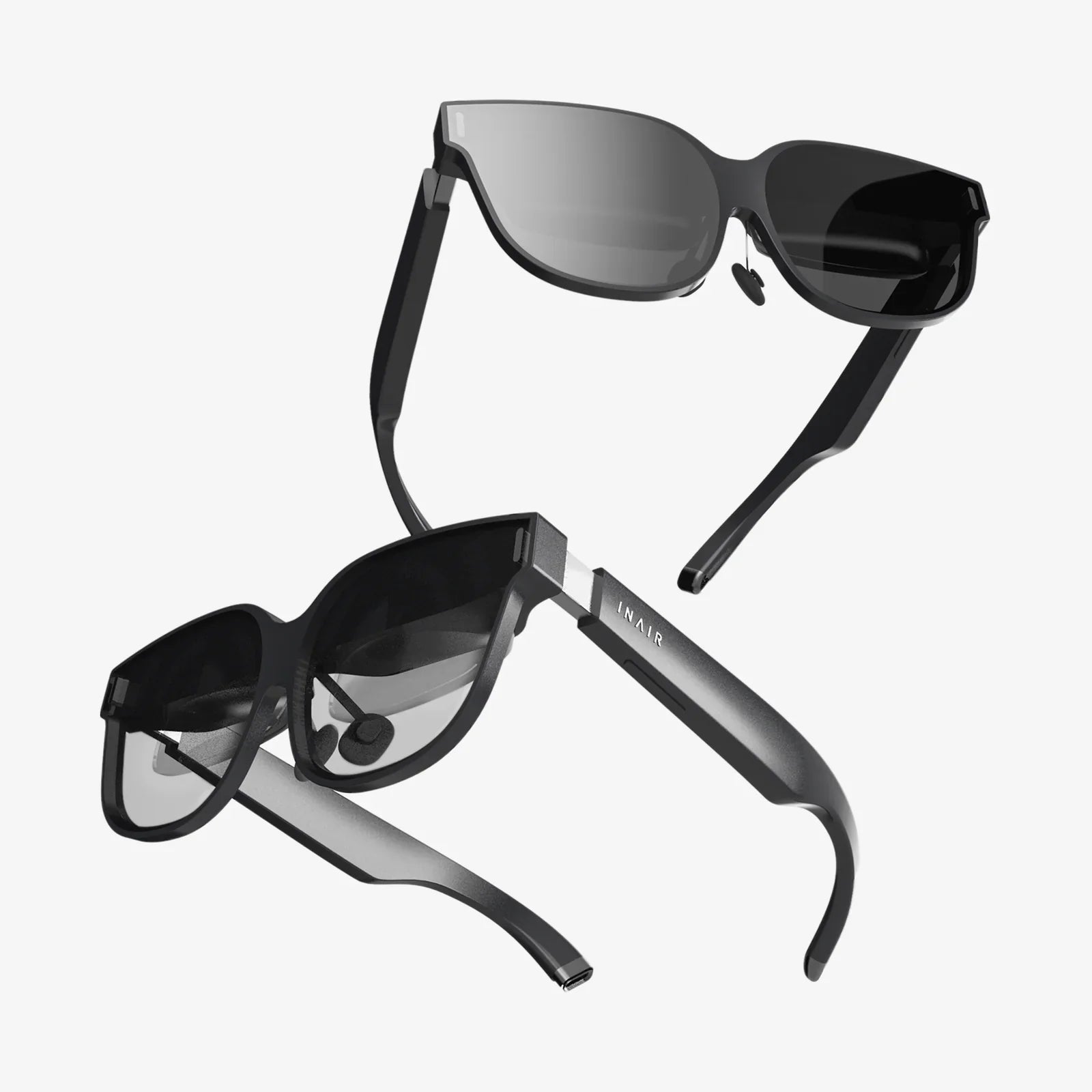
Have you ever noticed distracting glares on your glasses in photos, or been momentarily blinded by headlights while driving at night? Perhaps you've squinted at your computer screen, battling digital eye fatigue after a long day. If so, you're not alone, and the solution to these common visual annoyances might be simpler than you think. It lies in a microscopic, multi-layered technological marvel applied to the surface of your lenses: anti-reflective coating. This innovation is far more than a simple add-on; it's a fundamental enhancement that transforms the experience of wearing glasses, offering a gateway to a world of sharper, more comfortable, and more natural vision. For anyone who relies on their eyewear, from the dedicated professional to the adventurous outdoor enthusiast, unlocking the secrets of AR coating is the first step toward seeing the world with unprecedented clarity.
The Science of Seeing: Unmasking the Problem of Glare
To truly appreciate the value of anti-reflective coating, we must first understand the enemy it fights: reflected light. When light traveling through the air hits the surface of an untreated lens, a significant portion of it doesn't pass through. Instead, it bounces off both the front and back surfaces of the lens. These bouncing light waves are what we perceive as glare. This phenomenon occurs because of a principle in physics known as the index of refraction. Every material, including lens materials and air, has a different index. When light encounters a change in this index—like moving from air to plastic or glass—some of its energy is always reflected back.
This reflected light is the source of numerous problems. It creates the distracting ghost images and bright circles that can obscure your vision when a light source is behind you. It's the culprit behind the frustrating glare that hides a driver's eyes or creates a blinding halo effect around oncoming headlights. It also reduces the amount of light that actually enters your eye. With untreated lenses, as much as 8-15% of available light can be lost to reflections, forcing your eyes to work harder to gather visual information, which is a primary contributor to eye strain and fatigue.
How AR Coating Works Its Magic: A Layer-by-Layer Breakdown
Anti-reflective coating doesn't magically absorb light. Instead, it employs a clever optical trick called wave interference. The coating isn't a single layer of material; it's a complex, precision-engineered stack of multiple metallic oxide layers, each with a precise thickness measured in nanometers (one billionth of a meter). The thickness of each layer is meticulously calculated to be one-quarter of the wavelength of light.
Here’s the ingenious part: when light hits this multi-layered structure, two reflections are created—one from the top surface of the coating and one from the bottom surface, right at the coating-lens boundary. These two reflected light waves are engineered to be exactly out of phase with each other. Think of it like two identical waves in a pool: if the crest of one wave meets the trough of the other, they cancel each other out. This is precisely what happens with the light waves; they destructively interfere, effectively neutralizing each other and eliminating the reflection. The result is that vastly more light is allowed to pass through the lens uninterrupted, reaching your retina to form a brighter, sharper, and more contrast-rich image.
Beyond the Invisible: The Multifaceted Benefits of AR Coating
The primary benefit of eliminating reflections is a dramatic increase in visual acuity. But the advantages of a high-quality AR coating extend far beyond just clearer vision, impacting aesthetics, comfort, and safety in profound ways.
Superior Visual Clarity and Comfort
By allowing over 99% of available light to pass through the lens, AR coating provides vision that is noticeably brighter and richer in contrast. This is especially beneficial in low-light conditions, such as reading in a dimly lit room or driving at dusk. The reduction in scattered light and glare significantly diminishes eye strain. For anyone who spends long hours in front of digital screens, this can mean the difference between a productive day and one plagued by headaches, dry eyes, and blurred vision—a condition often referred to as digital eye strain.
Enhanced Aesthetics and Social Interaction
An uncoated lens acts like a mirror, creating a barrier between you and the world. Reflections on the front of the lens can hide your eyes, making social interactions feel less personal and connected. A lens with a premium AR coating is virtually invisible, allowing others to see your eyes clearly. This not only improves communication but also enhances your appearance, making your eyewear look more like a natural part of your face rather than a obvious visual aid.
Increased Safety for Drivers
Night driving is notoriously challenging for many glasses wearers. The glare from streetlights and the high beams of oncoming traffic can scatter across an uncoated lens, creating a dangerous veil of light that obscures the road. AR coating combats this by eliminating these internal reflections, sharpening your view of the road and making it easier to see pedestrians, animals, and potential hazards. This leads to reduced reaction times and a significantly safer driving experience after dark.
Protection from High-Energy Visible (HEV) Blue Light
Many modern AR coatings are now formulated to selectively filter out a portion of High-Energy Visible blue light emitted by digital devices like smartphones, tablets, and computer monitors. While not all AR coatings offer this feature, it has become an increasingly popular and beneficial option. By filtering this potentially disruptive light, these specialized coatings can help regulate circadian rhythms and may contribute to reduced digital eye strain, promoting better sleep and overall visual comfort for the digitally connected individual.
AR Coating vs. Other Lens Treatments: Knowing the Difference
It's easy to confuse AR coating with other common lens enhancements, but they serve distinct purposes. A scratch-resistant coating is a hard, clear layer that reinforces the lens surface, making it more durable against everyday abrasions. An anti-static coating helps repel dust and lint. A hydrophobic and oleophobic top layer (often integrated with premium AR coatings) makes the lens water- and oil-repellent, causing moisture to bead up and roll off, making the lenses much easier to clean and less prone to smudging.
Think of it this way: the scratch-resistant coating is the foundation, protecting the structural integrity of the lens. The AR coating is the core technology, managing light transmission. The hydrophobic top layer is the maintenance crew, keeping the surface clean so the AR coating can perform at its best. They are complementary technologies that, when combined, create a high-performance lens.
Caring for Your Coated Lenses: Preservation is Key
The sophisticated layered structure of an AR coating, while durable, requires proper care to maintain its effectiveness over the lifespan of your glasses. Abrasive cleaning is its greatest enemy.
- Rinse First: Always rinse your lenses under a gentle stream of lukewarm water before wiping them. This washes away dust and debris that could act like sandpaper during cleaning.
- Use the Right Tools: Clean your lenses with a microfiber cloth specifically designed for optics. Avoid using paper towels, tissues, your shirt, or any rough fabric, as these can create fine scratches.
- Choose the Right Cleaner: Only use cleaning solutions specifically formulated for coated eyeglass lenses. Avoid household glass cleaners, ammonia-based products, or vinegar solutions, as their harsh chemicals can degrade the coating over time.
- Store with Care: Always store your glasses in a protective hard case when not in use. Never place them lens-down on any surface.
Following these simple steps will ensure your investment continues to pay dividends in clear, comfortable vision for years to come.
Is AR Coating the Right Choice for You? An Informed Decision
While the benefits are extensive, considering your lifestyle and visual needs is important. For the vast majority of people who wear glasses, the answer is a resounding yes. It is particularly highly recommended for those who drive regularly, especially at night; anyone who works long hours on a computer or with digital devices; individuals with strong prescriptions, as reflections are more noticeable on thicker lenses; and people who are bothered by glare in photographs or in social situations. The enhancement to visual quality, comfort, and safety is so significant that many now consider it an essential feature rather than an optional extra. When discussing your next pair of glasses with your eye care professional, be sure to ask about the different tiers of AR coating available, as higher-quality versions often offer better durability, smudge resistance, and blue light filtering capabilities.
Imagine looking through a window so clean it seems to disappear, offering an unobstructed view of the world in all its vibrant detail. This is the promise of a high-quality anti-reflective coating—a promise of vision unburdened by glare, eyes less tired at the end of the day, and interactions free from a reflective barrier. It transforms your glasses from a simple vision correction tool into a sophisticated piece of optical technology designed for modern life. The next time you hold a pair of coated lenses, tilt them in the light and admire the subtle green or blue hue—a telltale sign of the complex science working to bring the world into perfect focus, just for you.
Share:
Wearables in India: A Billion-Dollar Revolution on the Wrist
How Do You Use VR Goggles: The Ultimate Beginner's Immersive Guide