


Imagine trying on a new watch without ever stepping into a jewelry store, visualizing how a vibrant red sofa would look in your living room before clicking 'buy,' or receiving step-by-step holographic instructions to assemble a complex piece of furniture. This is no longer the stuff of science fiction; it is the rapidly evolving, tangible reality of commerce today, powered by the revolutionary technology of Augmented Reality (AR). For businesses and consumers alike, AR is not just a novel gadget; it is a fundamental shift in how we discover, evaluate, and interact with products, transforming uncertainty into confidence and transactions into experiences. The future of shopping is here, and it’s being overlaid onto our world, one digital layer at a time.
Demystifying the Digital Overlay: Beyond the Buzzword
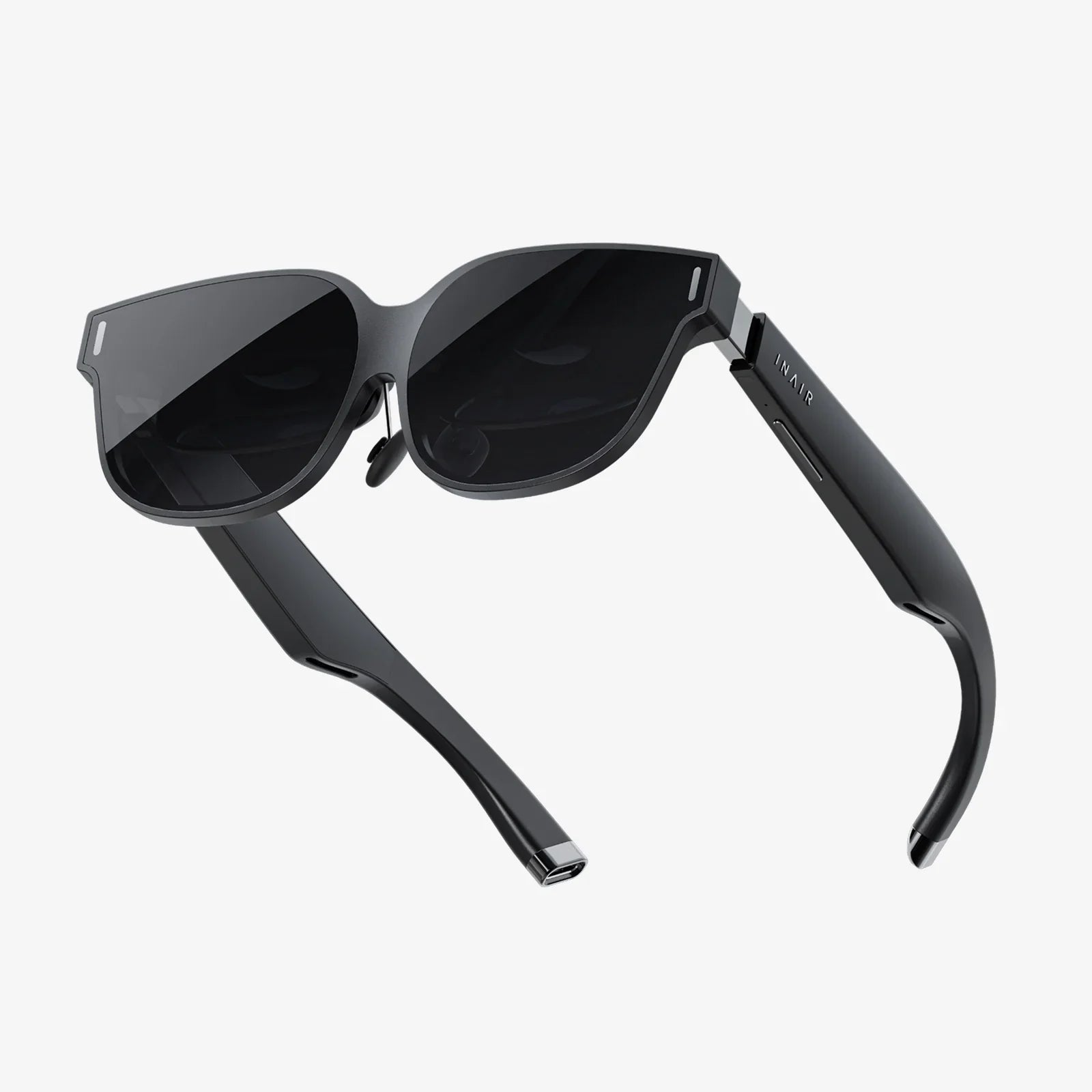
At its core, Augmented Reality (AR) is a technology that superimposes computer-generated digital information—be it images, sounds, text, or 3D models—onto a user's real-world view. Unlike Virtual Reality (VR), which creates a completely immersive, artificial environment, AR enhances the real world by adding a digital layer to it. This is typically experienced through ubiquitous devices like smartphone and tablet cameras, specialized smart glasses, or heads-up displays.
The magic of AR in commerce lies in its ability to bridge a critical gap: the inability to physically interact with a product in a digital storefront. E-commerce, for all its convenience, has historically struggled with high return rates and consumer hesitation precisely because customers cannot touch, try, or truly visualize a product in their own space. AR directly addresses this pain point, offering a 'try before you buy' solution that was previously exclusive to physical retail.
The Core Mechanisms: How AR Works Its Magic
For AR to function seamlessly in a commercial context, it relies on a sophisticated blend of hardware and software working in concert.
1. Tracking and Recognition
This is the foundation. AR systems use various methods to understand and interact with the environment:
- Marker-based AR: Uses a predefined visual marker (like a QR code or a specific image) to trigger the placement of a digital object. When the device's camera recognizes the marker, it overlays the associated content.
- Markerless AR (or Location-based): Leverages GPS, digital compasses, and accelerometers in smartphones to provide data based on the user's location. This is perfect for outdoor commerce applications, like pointing your phone at a street to see store offers pop up.
- Projection-based AR: Projects artificial light onto real-world surfaces, potentially allowing for interactive touch-sensitive projections. This is more common in advanced in-store experiences.
- Superimposition-based AR: Replaces the original view of an object with an augmented one. For instance, an app could recognize a piece of machinery and overlay diagnostic data or repair instructions directly onto it.
2. Rendering and Display
Once the environment is understood, the device must render high-fidelity, realistic 3D models and display them in real-time, anchored perfectly within the user's field of view. This requires significant processing power and advanced graphics capabilities, which are now standard in modern mobile devices.
3. Interaction
The final piece is user interaction. The best AR commerce experiences allow users to manipulate the digital object—rotating it, scaling it, changing its color or material—using intuitive touchscreen gestures or voice commands, creating a sense of agency and control.
Transforming the Retail Landscape: Key Applications of AR
The applications of AR in commerce are vast and growing, impacting nearly every stage of the customer journey.
Virtual Try-On and Visualization
This is arguably the most powerful and widespread use case. AR allows customers to project products into their personal environment or onto their own bodies.
- Fashion & Apparel: Virtual fitting rooms enable shoppers to try on glasses, makeup, watches, jewelry, and even entire outfits. They can see how fabric drapes and colors look against their skin tone from every angle.
- Home Decor & Furniture: Shoppers can place true-to-scale 3D models of sofas, tables, lamps, and art directly into their living room. They can walk around the item, ensuring it fits the space, matches their existing decor, and doesn't block a pathway. This drastically reduces the anxiety of online furniture shopping.
- Beauty & Cosmetics: AR apps can analyze a user's facial features and allow them to experiment with thousands of shades of lipstick, eyeshadow, and foundation instantly. This personalized experience is far superior to swatching on a hand or relying on filtered photos.
Interactive Marketing and Advertising
AR is turning passive advertising into active engagement. Instead of just seeing a poster, customers can interact with it.
- Print and Packaging: By scanning a product's packaging or a magazine ad with their phone, users can unlock interactive content—a video demonstrating the product, a game, a 3D model they can manipulate, or a special discount code.
- In-Store Navigation: Large retail stores can use AR wayfinding. By looking through their phone, shoppers can see digital arrows on the floor guiding them to the exact aisle where their desired product is located, alongside pop-up promotions for related items along the way.
Enhanced Product Information and Storytelling
AR can bring static products to life, providing a depth of information that a 2D image never could.
- Complex Products: Pointing a phone at a car engine could overlay labels and information about each part. A furniture assembly manual can project animated, step-by-step instructions directly onto the pieces being assembled.
- Food and Beverage: Scanning a wine bottle label could show a video of the vineyard, tasting notes, and food pairing suggestions. Scanning a box of pasta could reveal a chef demonstrating a recipe.
Remote Assistance and Support
In the B2B and service sectors, AR is a powerful tool for efficiency and customer support. A technician repairing equipment can wear AR glasses that overlay schematics, highlight components to check, or allow a remote expert to draw digital annotations directly into their field of view, guiding them through the repair process.
The Tangible Benefits: Why Commerce is Embracing AR
The adoption of AR is not driven by a desire for novelty but by a clear and compelling return on investment.
For Consumers:
- Increased Confidence: The ability to visualize and "try" products leads to more informed purchasing decisions.
- Reduced Purchase Anxiety: Eliminates the guesswork from online shopping, leading to greater satisfaction.
- Enhanced Engagement: Shopping becomes an interactive, fun, and memorable experience rather than a transactional chore.
- Personalization: AR experiences can be tailored to individual users, preferences, and environments.
For Businesses:
- Significantly Lower Return Rates: When customers know exactly what they are getting, they are far less likely to return it. This directly improves the bottom line by slashing reverse logistics costs.
- Higher Conversion Rates: Engaging AR experiences capture attention and keep users on a product page longer, directly translating into more sales. Studies have consistently shown that products with AR views see a substantial lift in conversion.
- Reduced Cognitive Dissonance: By aligning customer expectations with reality, AR minimizes post-purchase regret.
- Valuable Data and Analytics: Businesses can gain unprecedented insights into customer preferences by analyzing interactions with AR experiences—which colors were tried on most, how long users engaged with a product, which angles they viewed it from.
- Brand Differentiation: Implementing cutting-edge AR positions a brand as innovative, customer-centric, and forward-thinking.
Navigating the Challenges and Future Trajectory
Despite its promise, the widespread integration of AR into commerce faces hurdles. The technology requires high-quality 3D asset creation, which can be resource-intensive. There are also technical challenges related to accurate spatial mapping and lighting consistency to make digital objects appear photorealistic. User adoption, while growing rapidly, still requires education and frictionless experiences. Furthermore, issues around data privacy and the ethical use of biometric data (especially in facial AR) need to be carefully navigated.
However, the future is incredibly bright. We are moving towards a world where AR glasses will become as commonplace as smartphones, offering a seamless, hands-free experience. The integration of Artificial Intelligence (AI) will make AR even smarter, with systems that can better understand context, predict user intent, and offer hyper-personalized recommendations in real-time. The concept of the 'metaverse'—a persistent network of interconnected digital spaces—will be deeply intertwined with AR commerce, allowing for shared shopping experiences with friends in different physical locations.
The New Commerce Reality
Augmented Reality in commerce is far more than a fleeting trend or a marketing gimmick. It represents a fundamental convergence of the physical and digital realms, addressing the most persistent challenges of online shopping while enhancing the strengths of physical retail. It is a tool that empowers consumers, providing them with unparalleled confidence and control, and it offers businesses a powerful mechanism to drive sales, build loyalty, and redefine their brand identity. As the technology continues to evolve, becoming more accessible and sophisticated, the line between browsing on a screen and experiencing in a store will blur into irrelevance. The question is no longer what is AR in commerce, but rather, how quickly can you afford to ignore an innovation that is fundamentally reshaping how the world shops, buys, and connects with the products they love?
The screen in your pocket is now a window into a world where every product has a digital twin, waiting to be placed in your home, on your body, or into your life. The next time you shop online, don't just look at the pictures—click the 'View in Your Room' button and step into the new reality of retail, where imagination is the only limit and buyer's remorse is a relic of the past. The future isn't just arriving; it's being superimposed right before your eyes.
Share:
Augmented Reality Issues: Navigating the Unseen Challenges of a Digital Overlay
Personalised Glasses Using AI: The Future of Eyewear is Tailored to You