


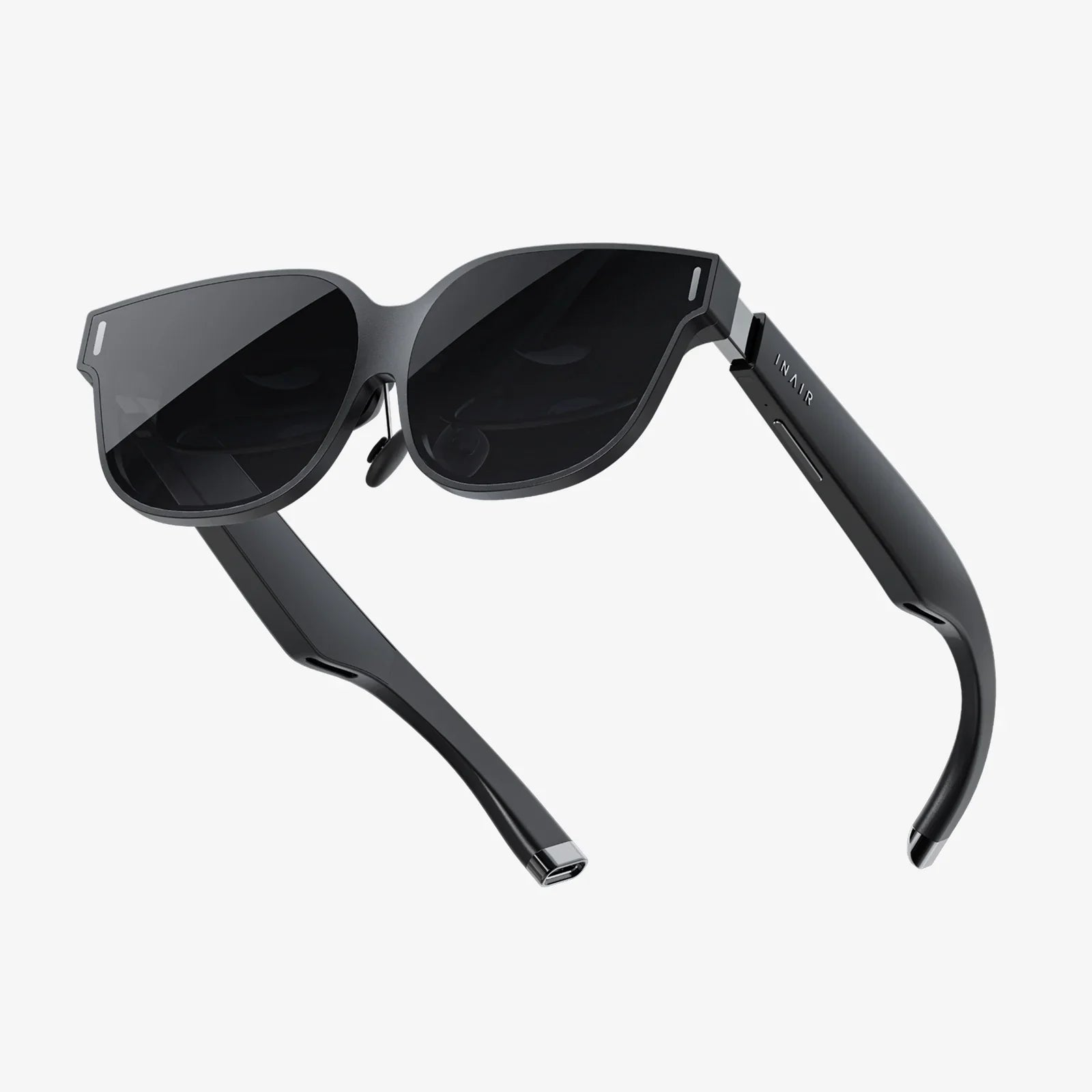
Imagine a world where digital information doesn't just live on a screen but is seamlessly woven into the fabric of your physical reality, enhancing everything you see, learn, and do. This isn't a scene from a science fiction movie; it's the present and future being built by a transformative technology known as augmented reality. The journey to understanding this digital revolution begins with a single, crucial question: what is the true augmented reality definition?
Deconstructing the Core Concept
At its most fundamental level, the augmented reality definition is the integration of digital information with the user's environment in real time. Unlike virtual reality (VR), which creates a completely artificial environment, AR uses the existing environment and overlays new information on top of it. The key differentiator is that AR allows you to remain present in your own space, merely augmenting your reality rather than replacing it entirely. This technology superimposes computer-generated sensory input—such as sound, video, graphics, or GPS data—onto our view of the real world, thus creating a composite view that enriches the user's perception.
The Pillars of Augmented Reality: How It Actually Works
Understanding the augmented reality definition requires a look under the hood. The magic doesn't happen by chance; it's a sophisticated orchestration of hardware and software. The process typically involves three key components:
1. Sensors and Cameras
These are the eyes of the AR system. External-facing cameras on a device, whether a smartphone, a headset, or smart glasses, scan the surrounding environment. They gather data about the user's real-world surroundings, which is then processed to identify physical objects, surfaces, and key points of reference, like the corners of a table or the position of a wall. Advanced systems may also use depth sensors, accelerometers, and gyroscopes to understand the orientation and movement of the device in space.
2. Processing
The raw data from the sensors is meaningless without interpretation. This is where the brain of the operation comes in. The AR device's processor or a connected computing unit analyzes the sensory input. It performs complex tasks like simultaneous localization and mapping (SLAM), which allows it to understand the physical geometry of the space while simultaneously tracking the device's location within that space. This real-time processing is what makes the digital overlay appear locked onto the real world, even as you move around.
3. Projection and Display
Once the environment is understood and the digital content is prepared, it must be presented to the user. This is the final, crucial step in the augmented reality definition. The display technology can vary widely:
- Smartphone and Tablet Screens: The most common method, using the device's camera feed and screen to display the augmented view.
- Smart Glasses and Headsets: These use transparent lenses or miniature projectors to beam images directly onto the user's retina or a clear lens, allowing them to see the digital content superimposed on the real world without holding a device.
- Projection-Based AR: Directly projects digital imagery onto physical surfaces, like projecting a keyboard onto a table.
Marker-Based vs. Markerless AR: The Two Primary Forms
The augmented reality definition branches into two main implementation methods, each with distinct advantages.
Marker-Based AR (Recognition-Based)
This was one of the earliest forms of AR. It relies on a visual object, known as a marker or trigger (often a QR code or a specific image), to initiate the digital overlay. The device's camera identifies this predefined marker, and the software uses its position and orientation to correctly place the digital content on top of it. This method is highly reliable and precise but is limited by its need for a pre-programmed marker.
Markerless AR (Position-Based)
This is the more advanced and increasingly common form of AR. It uses a device's GPS, digital compass, accelerometer, and camera to determine the user's location and orientation in the world. It doesn't need a specific marker; instead, it overlays information based on the user's environment. This allows for a much wider range of applications, from placing virtual furniture in your living room to getting navigation arrows superimposed on the street in front of you. SLAM technology is a key enabler of markerless AR.
Beyond the Definition: The Real-World Impact of AR
The true power of the augmented reality definition is revealed not in theory, but in its practical, world-changing applications across countless industries.
Revolutionizing Retail and E-Commerce
Shopping has been utterly transformed. Customers can now use their smartphones to see how a new sofa would look in their living room, "try on" glasses or makeup virtually, or visualize a new coat of paint on their car. This "try before you buy" capability drastically reduces purchase uncertainty and minimizes returns, creating a more confident and engaging consumer experience.
Transforming Education and Training
AR brings textbooks and manuals to life. Instead of reading about the human heart, medical students can explore a 3D, beating hologram from every angle. Mechanics can look at an engine and see animated repair instructions overlaid on the specific parts. This interactive, visual form of learning dramatically improves comprehension and knowledge retention.
Advancing Healthcare and Medicine
In healthcare, the augmented reality definition takes on life-saving significance. Surgeons use AR headsets to project critical information, like a patient's vitals or 3D scans of their anatomy, directly into their field of view during procedures. This allows them to keep their focus on the patient rather than looking away at a monitor. AR is also used for vein visualization, making it easier to find veins for injections, and for physical therapy guidance.
Empowering Industrial and Manufacturing Sectors
On factory floors and construction sites, AR is a powerful tool for efficiency and safety. Warehouse workers can see picking paths and item information overlaid on their vision, speeding up order fulfillment. Engineers can view schematics and assembly instructions overlaid on complex machinery they are repairing. Architects can walk clients through a full-scale, virtual model of a building that hasn't been constructed yet.
The Future is Augmented: Where Do We Go From Here?
The evolution of the augmented reality definition is ongoing. As technology advances, we are moving towards more seamless and immersive experiences. The future points towards lightweight, socially acceptable smart glasses that we wear all day, replacing our smartphones as the primary gateway to digital information. The concept of the spatial web or WebAR is emerging, where the internet is not on pages but mapped onto our physical world, creating a persistent layer of information and interaction over everything we see. The convergence of AR with Artificial Intelligence (AI) will lead to even smarter systems that can understand context and intent, providing information before we even ask for it.
Challenges and Considerations
Despite its potential, the path forward for AR is not without obstacles. Issues of user privacy, data security, and digital litter (an overload of virtual objects) are significant concerns. There are also technological hurdles to overcome, such as improving battery life for wearable devices, creating more natural user interfaces, and ensuring the digital overlay is perfectly photorealistic and anchored.
The line between our physical and digital lives is not just blurring; it's being actively redesigned by a technology that promises to enhance human capability and reshape our collective experience. The simple definition of overlaying data on the real world barely scratches the surface of its profound implications for how we work, connect, learn, and perceive everything around us. This is just the beginning of our new, augmented normal.
Share:
Virtual Glasses Price - A Comprehensive Guide to Understanding the Cost of Immersive Technology
Augmented Reality Projects: Transforming Industries and Redefining Human Experience