


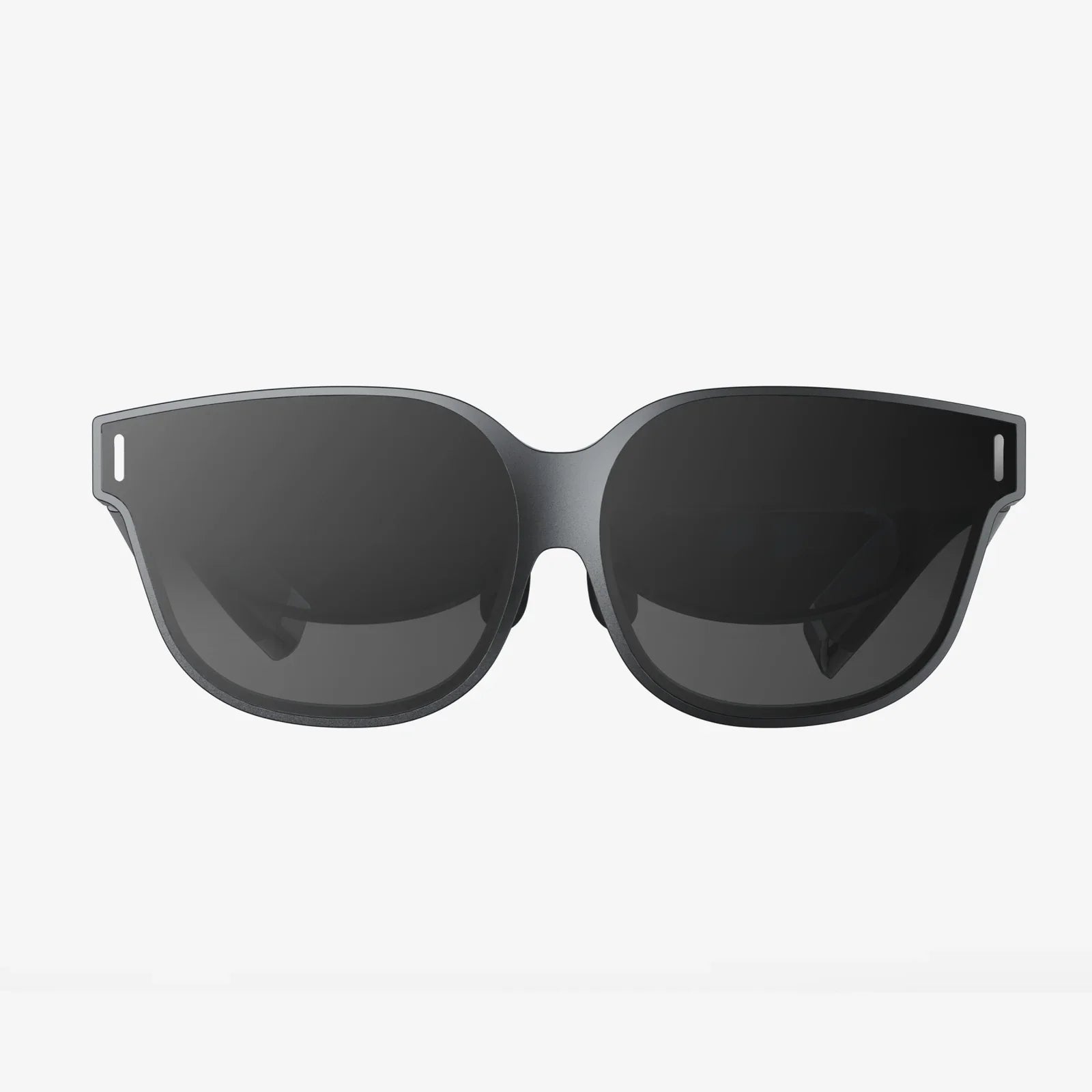
Imagine a world where digital information doesn’t just live on a screen but is seamlessly woven into the fabric of your physical reality. You point your device at a ancient monument, and its history unfolds before your eyes. A mechanic looks at a complex engine, and animated repair instructions hover over the exact components needing attention. A surgeon sees a patient’s vital signs and 3D anatomical models superimposed directly onto their body during a procedure. This is not science fiction; this is the promise and power of augmented reality (AR), and it’s all made possible through the intricate and fascinating discipline of augmented reality development. This journey into the code and creativity behind AR will reveal how developers are building the bridge between our world and the digital one.
At its core, augmented reality development is the specialized process of creating software applications that generate and integrate digital content—such as 3D models, video, sound, and GPS data—into the user's perception of the real world in real-time. Unlike Virtual Reality (VR), which creates a completely immersive, computer-generated environment, AR enhances the real world by adding a layer of digital information on top of it. The goal of AR development is to create experiences where the digital and physical worlds coexist and interact in a way that feels intuitive, meaningful, and, ultimately, magical.
The Foundational Pillars of AR Technology
To understand how AR development works, one must first grasp the fundamental technologies that make it possible. These are the building blocks that developers leverage to create convincing and stable AR experiences.
Computer Vision: The Eyes of AR
This is arguably the most critical component. Computer vision algorithms enable the device to understand and interpret the visual world. It involves:
- Object Recognition: Identifying specific objects, images, or patterns (like a QR code or a custom target image).
- Surface Detection: Differentiating between horizontal planes (floors, tables) and vertical planes (walls) to properly anchor digital objects.
- SLAM (Simultaneous Localization and Mapping): A sophisticated technology that allows a device to simultaneously map an unknown environment and track its own location within that environment. This is essential for placing digital objects that stay persistently in one spot as the user moves around.
- Depth Sensing: Using specialized sensors (like LiDAR) or stereo cameras to understand the distance and spatial relationship between objects, allowing for realistic occlusion (where a real object can pass in front of a digital one).
Tracking and Registration
This refers to the precise alignment of digital content with the physical world. Poor tracking results in digital objects that jitter, drift, or feel disconnected from reality. Methods include:
- Marker-based Tracking: Uses a predefined visual marker (a fiducial marker) to initiate the AR experience and track position.
- Markerless Tracking (or Location-based): Uses GPS, digital compass, and accelerometer data to anchor AR content to a specific geographic location.
- Projection-based AR: Projects artificial light onto real-world surfaces, often used for interactive projections.
- Superimposition-based AR: Replaces the original view of an object with an augmented one, often using object recognition.
Display Technology
How the user views the augmented world. This ranges from handheld devices like smartphones and tablets to more immersive wearables like smart glasses and head-up displays (HUDs). Each platform presents unique development considerations in terms of field of view, processing power, and user interaction.
The AR Development Toolkit: Software and Platforms
AR developers don't start from scratch. They rely on powerful Software Development Kits (SDKs) and game engines that provide the necessary tools, libraries, and APIs to handle the complex tasks of computer vision, 3D rendering, and sensory input.
Game Engines: The Powerhouse
Most modern AR development is done within game engines, which are incredibly powerful tools for creating real-time 3D experiences.
- Unity: The most popular engine for AR development due to its user-friendly editor, massive asset store, and extensive support for AR SDKs through plugins. Its component-based system allows for rapid prototyping and iteration.
- Unreal Engine: Known for its high-fidelity graphics and visual quality, Unreal is often chosen for AR experiences that require photorealistic rendering, though it can have a steeper learning curve.
AR SDKs and Frameworks
These SDKs provide the essential AR functionalities that are integrated into the game engine.
- ARKit (for iOS) and ARCore (for Android): These are the native platforms provided by the major mobile operating system creators. They offer robust, device-optimized features like motion tracking, environmental understanding, and light estimation. They are the starting point for most mobile AR development.
- WebAR: This approach allows AR experiences to run directly in a mobile web browser without the need to download a dedicated app. It lowers the barrier to entry for users and is fantastic for marketing campaigns and quick demonstrations.
- Cross-Platform SDKs: Tools that allow developers to write code once and deploy it across multiple platforms (e.g., both iOS and Android), streamlining the development process.
The AR Development Lifecycle: From Concept to Experience
Creating a compelling AR application is a multidisciplinary effort that involves more than just writing code. The process typically follows these stages:
1. Ideation and Concept Development
This initial phase is about answering the "why." What problem does this AR experience solve? What value does it add? Is AR the right tool for the job? Storyboarding and defining user interaction flows are crucial here. The concept must be grounded in the unique strengths of AR—contextual information, spatial visualization, and hands-on interaction.
2. Design and Prototyping
AR design is a unique challenge. It involves UI/UX design for a 3D space that exists in the real world. Designers must consider:
- Spatial Design: How digital objects relate to the physical space and the user's perspective.
- User Interaction: How will users manipulate the digital content? Through touch screens, voice commands, gesture control, or gaze?
- Prototyping: Creating simple, interactive mockups to test core mechanics and user flow before committing to full-scale development. This is vital for identifying potential issues with tracking or interaction early on.
3. 3D Asset Creation and Optimization
Unlike traditional app development, AR is heavily reliant on 3D content. 3D artists create models, textures, and animations. A critical part of development is optimization—ensuring these assets are lightweight enough to render smoothly on mobile processors without causing overheating or draining the battery too quickly.
4. Development and Coding
This is where developers integrate the 3D assets into the chosen engine (Unity/Unreal), implement the logic using programming languages like C# or C++, and leverage the chosen AR SDK (ARKit/ARCore) to handle tracking and world sensing. They code the interactions, animations, and any backend connectivity for data fetching.
5. Testing and Quality Assurance (QA)
QA for AR is exceptionally complex. Testers must check not only for software bugs but also for "real-world" performance. This includes testing in countless lighting conditions, on different physical surfaces, with various device models, and in diverse environments to ensure tracking is robust and the experience is consistent. User testing is invaluable to gauge intuitiveness and comfort.
6. Deployment and Maintenance
The application is published to app stores or deployed as a web experience. Post-launch, developers must maintain the app, ensuring compatibility with new operating system updates, adding new content, and fixing any bugs that are discovered by the wider user base.
Overcoming the Challenges in AR Development
The path to a seamless AR experience is fraught with technical hurdles that developers must skillfully navigate.
- Environmental Variability: Creating algorithms that work reliably in bright sun, dim rooms, on textured carpets, and on shiny tables is an immense challenge.
- Hardware Limitations: Mobile devices have limited processing power, battery life, and thermal budgets. Pushing the boundaries of AR without compromising performance is a constant balancing act.
- User Experience (UX) Design: Designing intuitive interfaces for 3D space is a new frontier. Avoiding user fatigue (both physical and cognitive) and preventing "mode confusion" between the real and digital are key concerns.
- Privacy and Security: AR applications, by their nature, process a tremendous amount of visual and spatial data from the user's environment. Ensuring this data is handled securely and ethically is paramount.
The Future is Now: The Expanding Horizon of AR Applications
The potential applications for AR extend far beyond mobile games and social media filters. It is poised to revolutionize numerous sectors.
- Retail and E-commerce: Trying on clothes virtually, previewing how furniture would look in your home, or seeing a new car's features overlay the vehicle on the showroom floor.
- Healthcare: Assisting in complex surgeries by overlaying MRI data onto a patient, providing visual guidance for vein finding, or helping medical students learn anatomy through interactive 3D models.
- Manufacturing and Field Service: Providing technicians with hands-free, interactive manuals and remote expert assistance, reducing errors and downtime.
- Education and Training: Creating immersive learning experiences, from exploring the solar system in a classroom to practicing dangerous procedures in a safe, simulated environment.
- Navigation: Projecting turn-by-turn directions onto the real road ahead, both for drivers and pedestrians walking through a city.
The barrier between our digital and physical lives is dissolving, not through replacement, but through elegant integration. Augmented reality development is the crucible where this integration is forged, demanding a unique blend of technical precision and creative vision. It’s a field that challenges developers to think not just in code, but in space, context, and human experience. As the hardware becomes more powerful and less obtrusive, moving from handhelds to sleek glasses and eventually to contact lenses, the demand for skilled AR developers will only explode. They are the architects of a new layer of reality, building the invisible interface that will empower us, guide us, and connect us to information in ways we are only beginning to imagine. The next time you see a digital dinosaur walking through your living room or get directions painted onto the sidewalk, you'll know a developer was there first, meticulously crafting the magic.
Share:
Augmented Reality Growth Projections Signal a Paradigm Shift in Human-Computer Interaction
Where Can Augmented Reality Be Used: A Deep Dive Into Its Limitless Applications