


- by wangfred
What Is Collaborative AR: The Ultimate Guide to Shared Digital Experiences
- by wangfred
Imagine a world where the digital and physical realms don't just coexist for a single user but are woven together into a shared tapestry of experience, visible and interactive to multiple people simultaneously, regardless of their physical location. This is the promise and the power of Collaborative Augmented Reality (AR), a technological evolution that is poised to fundamentally reshape how we work, learn, play, and connect. It’s more than just a buzzword; it’s a paradigm shift from isolated digital consumption to collective digital creation and interaction, breaking down the barriers of screens and geography to create a new, unified space for human collaboration.
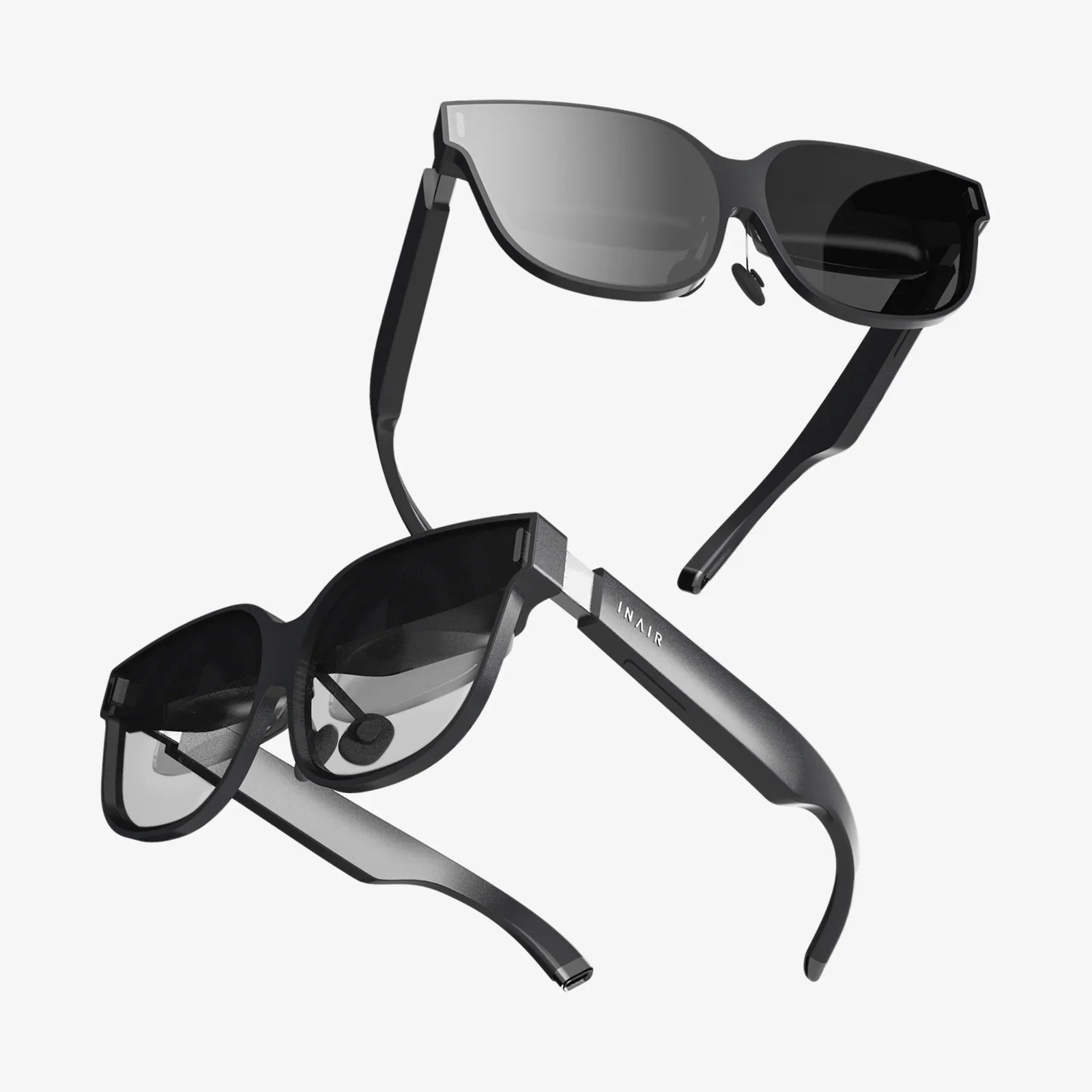
To grasp the significance of collaborative AR, one must first understand its progenitor: Augmented Reality itself. At its core, AR is a technology that superimposes computer-generated digital information—be it images, 3D models, videos, or data streams—onto a user's view of the real world. Unlike Virtual Reality (VR), which creates a completely immersive digital environment, AR enhances the real world by adding a digital layer to it. This is typically experienced through devices like smartphones, tablets, smart glasses, and headsets.
Collaborative AR takes this foundational concept and multiplies its potential by making it a multi-user, shared experience. It is defined as an interactive AR environment where multiple participants, often from different physical locations, can see, discuss, and manipulate the same digital content anchored in a real-world space. It transforms a solitary viewing experience into a dynamic, social, and productive session. The key differentiator is shared spatial awareness; all users perceive the digital objects to be in the same real-world location, allowing for natural interaction as if they were physical objects present in the room.
The seamless experience of collaborative AR is powered by a sophisticated symphony of technologies working in concert. While the user sees a unified digital-physical world, the underlying systems are performing complex tasks in real-time.
This is the first critical step. Using sensors like cameras, LiDAR, and depth sensors, the AR device scans the physical environment to create a detailed 3D mesh or point cloud. This digital map understands the geometry of the space—the location of walls, floors, tables, and other surfaces. Digital objects are then "anchored" to specific points in this map. For collaboration to work, this spatial map must be synchronized across all participants' devices. This ensures that a virtual engine model appears to sit on the same physical table for everyone in the session, not floating in different places for different users.
The heart of collaborative AR is a robust networking infrastructure, often cloud-based. When one user moves, rotates, or annotates a digital object, that action must be captured and transmitted to every other participant's device with imperceptible latency. High-speed, low-latency networks like 5G are crucial for this, as any significant delay breaks the illusion of a shared reality and hinders natural interaction. The cloud server acts as a single source of truth, managing the state of the shared AR environment and ensuring consistency for all users.
Collaborative AR platforms provide tools for users to interact not only with the digital content but with each other. This includes:
The potential applications for collaborative AR are vast and are already delivering tangible value across numerous sectors.
In product design and engineering, teams can congregate around a full-scale, photorealistic 3D prototype of a new product. Designers in one country, engineers in another, and marketing staff in a third can all walk around the model, discuss fit and finish, propose changes in real-time, and even simulate mechanics without the cost and time of building a physical prototype. This accelerates iteration cycles, reduces errors, and saves significant resources.
A field technician faced with a complex repair can stream their first-person view to an expert located miles away. The expert can see exactly what the technician sees and overlay precise annotations, arrows, and instructions directly onto the machinery in the technician's field of view. This "see-what-I-see" capability drastically reduces resolution times, minimizes travel costs for specialists, and empowers less experienced workers to perform complex tasks with expert guidance.
Collaborative AR brings textbooks to life. Medical students from around the world can gather around a detailed, interactive holographic human body, peeling back layers of anatomy together. Mechanics-in-training can practice disassembling a complex virtual engine. History students can explore a ancient Roman settlement superimposed on their schoolyard. This immersive, hands-on, and social form of learning improves knowledge retention and engagement far beyond traditional methods.
Interior designers and clients can collaboratively place and arrange virtual furniture within the client's actual living room, experimenting with different styles and layouts at full scale before making a purchase. Architects and construction managers can walk through a building's holographic blueprint while standing on the empty construction site, identifying potential issues before ground is ever broken.
Despite its immense potential, the widespread adoption of collaborative AR faces several hurdles.
Latency and Bandwidth: Maintaining perfect synchronization requires a fast and stable internet connection for all users. Lag or jitter can quickly disrupt the collaborative flow.
Hardware Limitations: For truly immersive collaboration, comfortable, affordable, and high-performance AR glasses are needed. While progressing rapidly, the hardware is not yet at the consumer-ready level of a smartphone.
Battery Life: The intensive processing required for spatial mapping and rendering is a significant drain on device batteries.
Digital Fatigue: Interacting in a mixed reality environment for extended periods can be mentally taxing.
Social Acceptance: Wearing headsets in social or professional settings and interacting with digital avatars is still a novel concept that requires cultural adaptation.
Interface Design: Creating intuitive interfaces that are easy for non-technical users to learn and use is a critical challenge.
AR devices, with their always-on cameras and microphones, collect vast amounts of sensitive data about a user's environment. Ensuring this data is secure and that users have control over what is shared in a collaborative session is paramount. Establishing clear protocols for data ownership and usage is essential for building trust.
The trajectory of collaborative AR points toward a future where it becomes an invisible layer integrated into our daily lives. We are moving towards lighter, more powerful glasses that we wear all day, seamlessly blending our digital and physical interactions. The concept of the AR Cloud—a persistent, digital copy of the real world—will allow digital creations and annotations to remain in place for days, months, or years, enabling entirely new forms of persistent collaboration and location-based storytelling.
Advancements in artificial intelligence will make these systems more context-aware and intelligent. AI could automatically generate meeting notes based on the objects discussed, translate annotations in real-time for global teams, or even suggest optimizations to a design based on recognized patterns. Furthermore, the convergence of collaborative AR with the broader vision of the metaverse—a network of persistent, interconnected virtual spaces—suggests a future where our collaborative sessions are not limited to a single room but can span vast, imaginative digital worlds.
The journey into this shared digital-physical frontier is just beginning. It promises to dissolve the final remnants of screen-based isolation, creating a world where distance is no longer a barrier to shared experience and collective genius. It’s not about replacing human connection but about augmenting it, giving us powerful new tools to solve problems, create beauty, and understand our world together in ways we are only starting to imagine. The ability to not just see the same digital reality but to build within it, together, is the next great leap in our ongoing digital revolution.