


- by wangfred
What Is Extended Reality Used For: Transforming Industries and Human Experience
- by wangfred
Imagine a world where the line between the digital and the physical blurs into irrelevance, where you can train for complex surgery, walk through ancient ruins, or design a new car engine without ever leaving your room. This is not a distant sci-fi fantasy; it is the palpable present and explosive future being built today through Extended Reality. The applications of XR are vast, transformative, and already penetrating the very fabric of industries and human experience, promising a revolution in how we work, learn, heal, and connect.
Before diving into its uses, it's crucial to understand the components that make up Extended Reality. XR is an umbrella term encompassing all combined real-and-virtual environments generated by computer technology and wearables. It includes:
VR completely replaces the user's real-world environment with a simulated one. Using a head-mounted display (HMD) and controllers, the user is fully immersed in a digital world, cut off from physical surroundings. This is used for applications requiring complete focus and a controlled digital environment.
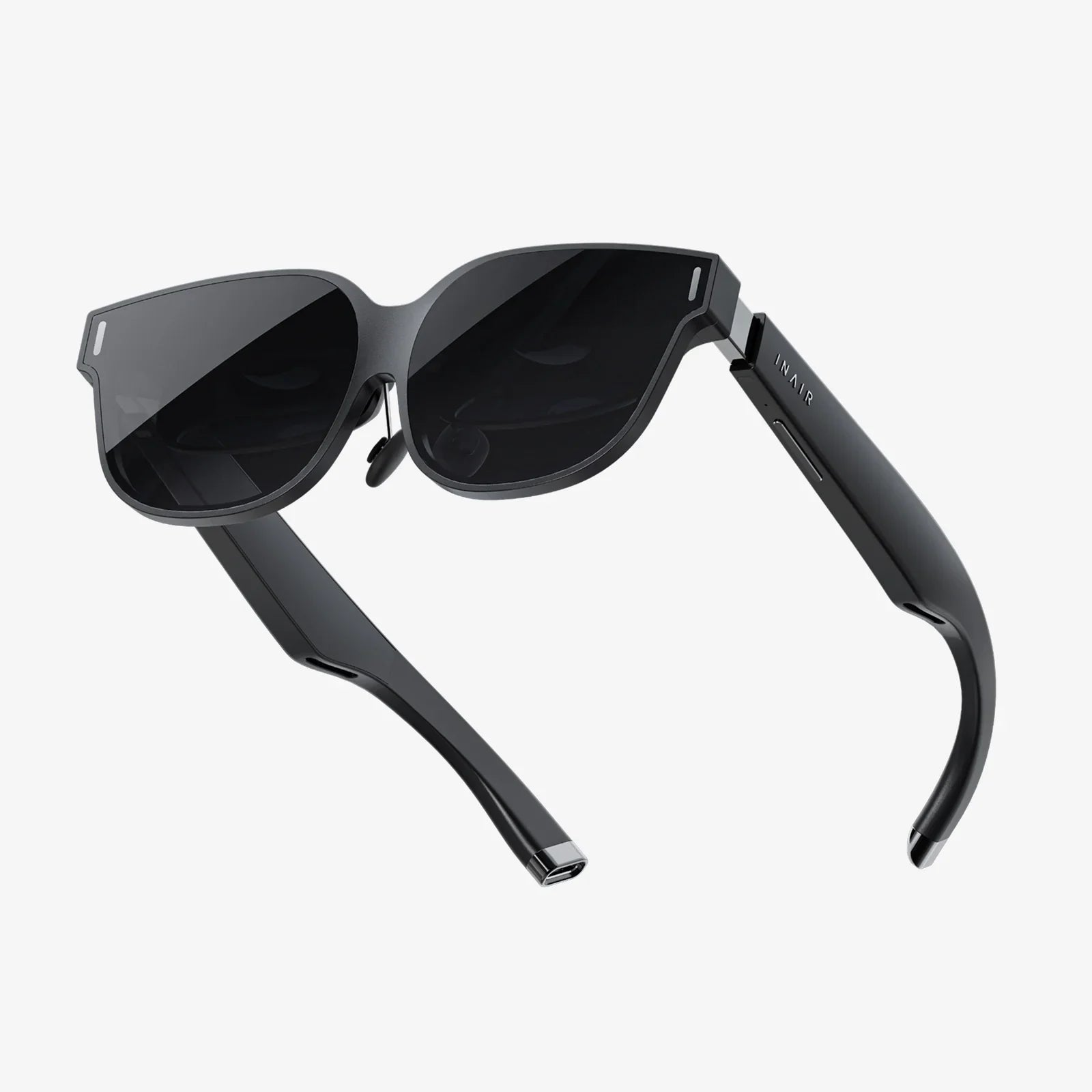
AR overlays digital information—images, text, 3D models—onto the user's view of the real world through a device like a smartphone, tablet, or AR glasses. The real environment remains central, enhanced with contextual data. This is ideal for providing information without disrupting the user's sense of place.
MR is the most advanced segment, where digital and physical objects not only coexist but interact in real-time. Using advanced sensors and cameras, MR systems understand the environment and allow users to manipulate digital objects as if they were physically present—pinning a virtual screen to a real wall or seeing a digital engine model integrated into a real car chassis.
One of the most powerful applications of XR is in the realm of education and training, creating immersive, hands-on learning experiences that were previously impossible, too expensive, or too dangerous.
From vocational schools to corporate training centers, XR is creating safe, repeatable, and cost-effective training simulations. Trainee mechanics can practice disassembling complex machinery, welders can perfect their technique without wasting materials, and retail employees can learn store layouts and customer service protocols in a photorealistic virtual store. The risk of error is eliminated, and muscle memory is developed in a controlled, scalable environment.
The medical field has embraced XR with extraordinary results. Medical students no longer rely solely on cadavers and textbooks; they can now don a VR headset to walk through a detailed, interactive 3D model of the human body, examining systems and pathologies from every angle. Surgeons use AR and MR to overlay CT scans and 3D anatomical models directly onto a patient's body during pre-operative planning, providing a crucial visual guide that increases precision and improves patient outcomes. Furthermore, VR is being used to simulate high-pressure surgical procedures, allowing surgeons to practice rare and complex operations repeatedly before performing them in the operating room.
Imagine a history class where students are transported to ancient Rome, not through pictures in a book, but by virtually walking through the Forum, hearing the sounds of the city, and witnessing historical events unfold around them. Museums are creating AR apps that bring exhibits to life, allowing visitors to point their device at a fossil to see the dinosaur reconstructed in full motion or at a painting to learn about the artist's techniques and the historical context. This experiential learning fosters a deeper, more empathetic understanding of the subject matter.
Beyond education, XR is proving to be a powerful therapeutic tool, offering new ways to treat physical and mental health conditions.
VR is a well-documented tool for distraction therapy, effectively reducing acute pain for patients undergoing wound care, chemotherapy, or physical therapy. By immersing the patient in a calming, engaging virtual environment, the brain's attention is diverted from processing pain signals. In physical rehab, AR games and simulations can turn repetitive, often painful exercises into engaging activities, motivating patients to complete their regimens and track their progress in real-time.
Psychologists are using VR to conduct controlled exposure therapy for patients with phobias (like fear of heights, flying, or public speaking) and PTSD. A patient can be gradually and safely exposed to the source of their anxiety within a virtual environment, learning coping mechanisms without any real-world risk. This controlled, customizable approach allows therapists to tailor the experience precisely to the patient's needs and progress.
In the industrial and corporate sectors, XR is a powerhouse for driving efficiency, reducing errors, and enabling remote collaboration.
The design process is being revolutionized by XR. Engineers and designers can create 3D prototypes of products—from sneakers to skyscrapers—and interact with them at life-size scale in a shared virtual space. This allows for rapid iteration, identifying design flaws and ergonomic issues long before physical prototypes are built, saving immense amounts of time and resources. On the factory floor, AR smart glasses can provide workers with real-time instructions, diagrams, and safety information overlaid on the equipment they are assembling or repairing, drastically reducing errors and training time.
XR shatters geographical barriers. An expert engineer in one country can see what a field technician on the other side of the world sees through AR glasses. The expert can then annotate the technician's field of view with arrows, notes, and diagrams, guiding them through a complex repair process in real-time. This "see-what-I-see" collaboration eliminates travel costs and downtime, ensuring problems are solved quickly by the best available minds, regardless of location.
In massive warehouses, AR is streamlining logistics by visually guiding warehouse pickers to the exact shelf and item they need, optimizing their route and significantly speeding up order fulfillment. In retail, AR apps allow customers to visualize how furniture will look in their home, how clothes will fit, or how a new shade of paint will transform a room, reducing purchase uncertainty and returns.
While enterprise use is booming, the consumer-facing potential of XR for entertainment and socializing is equally profound.
Gaming is the most well-known application, with VR offering unparalleled immersion, placing the player directly inside the game world. But XR's potential goes beyond games. filmmakers and artists are creating immersive 360-degree films and interactive narratives where the audience is not a passive viewer but an active participant within the story, able to explore the environment and influence the narrative flow.
XR provides a front-row seat to world events from your living room. Attend a live concert in VR, feeling as if you are standing in the crowd, or get a courtside view at a sporting event. Virtual tourism allows people with physical or financial constraints to explore global landmarks, natural wonders, and foreign cities with a sense of presence that a video or photo cannot provide.
The concept of the metaverse—a persistent, shared network of 3D virtual spaces—is intrinsically linked to XR. These emerging platforms envision a future where we socialize, work, and play using digital avatars in virtual environments. While in its early stages, this points to a future where XR is the primary interface for a new layer of the internet, fundamentally changing how we interact with content and with each other online.
Despite its promise, the widespread adoption of XR faces hurdles. Issues of user accessibility, including the cost of hardware and the physical discomfort some users experience (cybersickness), remain significant barriers. Furthermore, serious questions around data privacy, security, and the long-term psychological effects of blending realities need to be addressed through thoughtful design and robust regulation.
Yet, the trajectory is clear. As the technology becomes more affordable, comfortable, and powerful, its integration into our daily lives will only deepen. The question is no longer if Extended Reality will become a mainstream technology, but how we will choose to harness its incredible potential. From saving lives on the operating table to connecting friends across continents, the answer to 'what is extended reality used for' is, quite simply, everything. The canvas of our reality is expanding, and we are only just beginning to paint on it.
The door between our world and countless others is now open, offering a glimpse into a future where our physical limitations are no longer a barrier to experience, innovation, and human connection. The tools to build, explore, and heal in these new dimensions are here, waiting to be picked up and used to reshape reality itself.
Share:
iPhone VR: The Pocket-Sized Portal to Virtual Worlds
XR Meaning VR: Unraveling the Extended Reality Spectrum and Its Future