


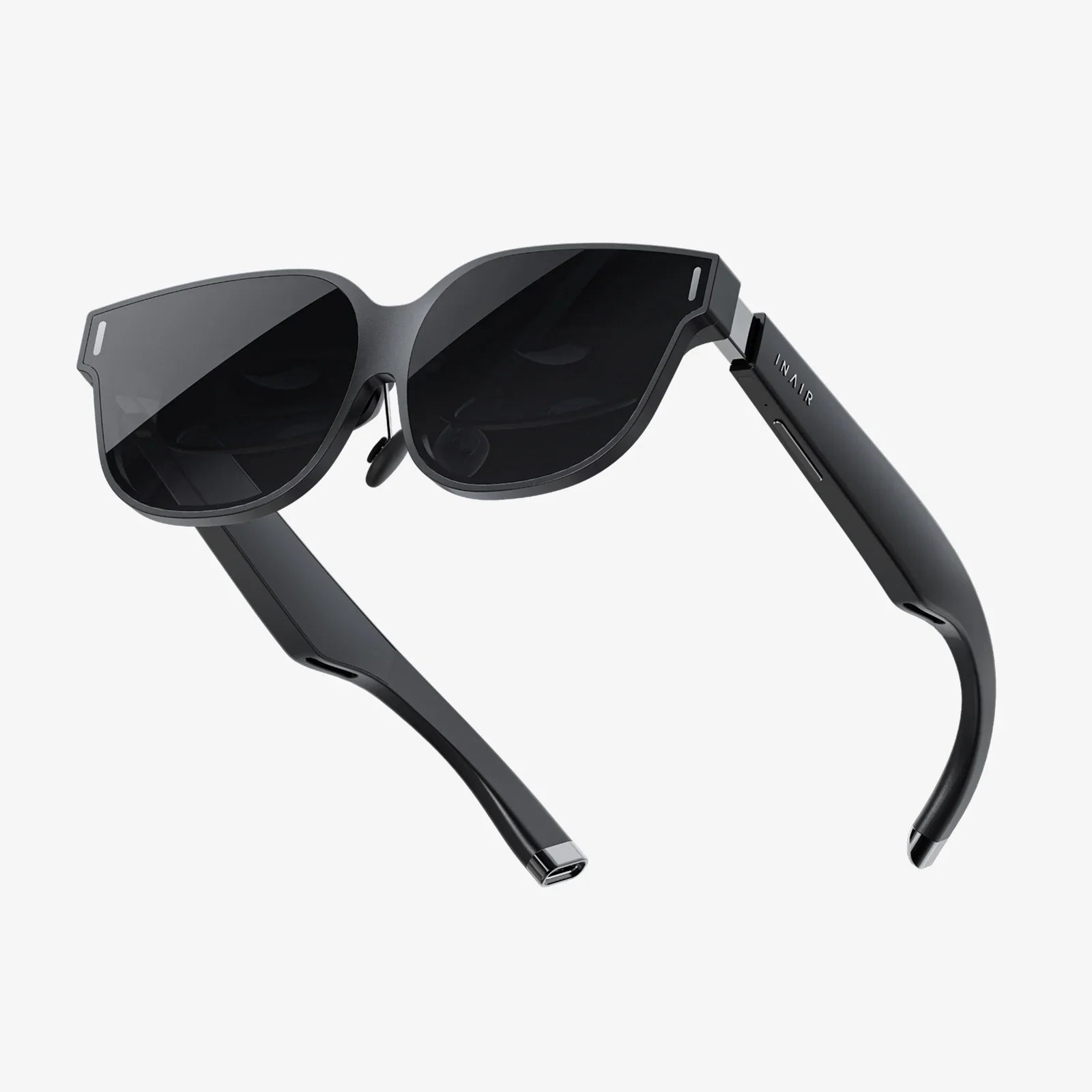
Have you ever stopped to marvel at the intuitive swipe of a smartphone, the effortless click of a mouse, or the simple voice command that dims your lights? These moments of seamless connection, where technology feels like a natural extension of our will, are not accidental. They are the direct result of a deliberate and sophisticated field of study dedicated to crafting the perfect conversation between you and the machine. This is the world of Human-Computer Interaction, a discipline that quietly shapes every digital experience you have and holds the key to our technological future.
The Essence of a Dialogue
At its heart, Human-Computer Interaction (HCI) is the multidisciplinary field of study concerned with the design, evaluation, and implementation of interactive computing systems for human use and the study of the major phenomena surrounding them. It is the bridge that connects the user—with all their needs, capabilities, and limitations—to the complex, logical world of a computer. Think of it not as a monologue where the user must learn a complex programming language to issue commands, but as a fluid dialogue where the computer understands and responds to human intent.
The ultimate goal of HCI is to make this interaction not just functional, but also efficient, enjoyable, accessible, and safe. It strives to minimize the gulf of execution (the gap between what the user wants to do and what the system allows them to do) and the gulf of evaluation (the gap between the system's representation of its state and the user's interpretation of it). When these gulfs are bridged effectively, the technology itself seems to disappear, leaving the user free to accomplish their goals without friction or frustration.
A Journey Through Time: The Evolution of HCI
The story of HCI is inextricably linked to the evolution of computing itself. Its foundations were laid long before the personal computer became a household item.
The Age of the Mainframe: Batch Processing and Expert Operators
In the early days of computing, interaction was a privilege reserved for a highly trained few. Massive mainframe computers operated on a batch processing model. Users—often scientists or engineers—would prepare their jobs on punch cards, hand them to a computer operator, and return hours or days later for the printed output. The "interface" was a complex set of commands and the user was forced to think entirely on the computer's terms. There was no concept of a dialogue; it was a one-way instruction.
The Revolutionary Shift: The Graphical User Interface (GUI)
The paradigm shift began with pioneering research at institutions like Xerox PARC, which introduced the world to the Graphical User Interface (GUI). This was a quantum leap in HCI. The GUI replaced cryptic command-line text with visual metaphors like windows, icons, menus, and a pointer (the WIMP model). Suddenly, users could manipulate digital objects directly, leveraging their existing knowledge of the physical world—clicking on a folder icon to open it, dragging a document to the trash to delete it. This democratized computing, making it accessible to a much broader audience who were no longer required to be programming experts.
The Rise of Ubiquity and Direct Manipulation
The advent of the personal computer cemented the GUI as the dominant paradigm and propelled HCI into a critical field of study. As computers spread from offices into homes, the need for usability became paramount. This era saw the formalization of HCI principles, the development of usability engineering methodologies, and a growing focus on user-centered design. The goal was to make the computer increasingly transparent, allowing users to focus on their task rather than on the tool itself.
The Modern Era: Beyond the Desktop
Today, HCI has exploded far beyond the desktop. We interact with computers through touchscreens, voice assistants, gesture controls, and wearable devices. This has given rise to new domains within HCI:
- Ubiquitous Computing (Ubicomp): The vision of computers embedded seamlessly into the environment, interacting with us in the background without requiring conscious attention.
- Tangible User Interfaces (TUIs): Interfaces that give physical form to digital information, allowing users to interact with data through physical objects.
- Virtual and Augmented Reality (VR/AR): Creating immersive, three-dimensional interactive experiences that blend the digital and physical worlds.
Each new modality presents fresh challenges and opportunities for HCI practitioners, pushing the boundaries of how we connect with the digital realm.
The Pillars of HCI: A Multidisciplinary Tapestry
What makes HCI so powerful is that it is not a solitary discipline. It is a vibrant tapestry woven from threads of computer science, behavioral science, and design.
The Human Factor: Psychology and Cognitive Science
Understanding the user is the first and most crucial pillar. HCI draws heavily from cognitive psychology to model how humans perceive, learn, remember, and solve problems. Key concepts include:
- Mental Models: The internal representation a user has of how a system works. A good interface aligns with the user's mental model.
- Human Perception: Leveraging principles of visual design—like Gestalt principles of proximity, similarity, and closure—to present information in a way that is easy to parse and understand.
- Human Memory: Designing interfaces that recognize the limitations of human working memory by offloading information onto the screen rather than forcing users to remember it.
- Motor Skills: Accounting for the physical capabilities of users, ensuring targets are large enough to click or touch, and movements are ergonomic.
The Computer Factor: Engineering and Technology
This pillar provides the tools and building blocks to create interactive systems. It involves the algorithms, hardware, software platforms, and rendering techniques that make interaction possible. This includes everything from the operating system that handles input events to the graphics processors that render complex interfaces in real-time. The technological constraints and possibilities directly shape what interactions can be designed.
The Interaction Factor: Design and Usability Engineering
This is the glue that binds the human and the computer. It encompasses the practices and processes for creating effective interfaces:
- User-Centered Design (UCD): A iterative design philosophy that places the user at the center of every decision, from initial concept to final product.
- Usability: The quality attribute that assesses how easy and efficient user interfaces are to use. It is often broken down into learnability, efficiency, memorability, error prevention, and satisfaction.
- Interaction Design (IxD): The specific practice of defining the structure and behavior of interactive systems with the goal of creating meaningful relationships between people and the products they use.
- Information Architecture: The art and science of organizing and labeling information to support findability and usability.
The HCI Lifecycle: From Concept to Refinement
Creating a successful interactive product is not a linear process; it is a cycle of learning and refinement. The core stages typically involve:
1. Requirements Gathering
This initial phase is about understanding the context of use, the users themselves, and the tasks they need to accomplish. Techniques include user interviews, surveys, and ethnographic field studies. The outcome is a clear set of user needs and business goals that the design must fulfill.
2. Design and Prototyping
Here, ideas are transformed into tangible artifacts. Designers create low-fidelity wireframes and interactive prototypes to explore different solutions without investing in full development. This allows for rapid experimentation with layout, flow, and interaction patterns.
3. Evaluation
This is the critical feedback loop. Prototypes and functional products are tested with real users to uncover usability problems. Methods range from formal lab-based usability testing to remote, unmoderated sessions and heuristic evaluations by experts. The data gathered is used to identify pain points and areas for improvement.
4. Implementation and Development
The validated design is then built by developers. Close collaboration between designers and developers throughout this phase is essential to ensure the final product remains true to the design intent and maintains its usability standards.
5. Iteration
The cycle repeats. Post-launch, analytics and continued user feedback provide a wealth of information to inform the next round of improvements, ensuring the product evolves to meet changing user needs.
The Future Frontiers of HCI
The conversation between humans and computers is becoming richer and more complex. HCI is now grappling with profound new challenges and opportunities:
Artificial Intelligence and Adaptive Interfaces
AI and machine learning are transforming HCI from designing static interfaces to designing dynamic, context-aware systems that can learn from and adapt to individual users. Interfaces can now predict needs, automate complex tasks, and personalize experiences at an unprecedented scale.
Ethics, Privacy, and Persuasive Design
With great power comes great responsibility. HCI now must confront the ethical implications of design choices. How do we design for transparency and user control over data? Where is the line between helpful persuasion and manipulative "dark patterns"? HCI researchers and practitioners are now at the forefront of defining ethical guidelines for the industry.
Accessibility and Inclusive Design
The principle of universal design is more important than ever. HCI is pushing to ensure technology is accessible to everyone, regardless of ability. This means building interfaces that work seamlessly with screen readers for the visually impaired, ensuring full operability for those who cannot use a mouse or touchscreen, and creating experiences that are cognitively accessible to all.
Embodied Interaction and Reality-Based Interfaces
The future of HCI lies in moving beyond the screen, further blurring the lines between the physical and digital. Brain-computer interfaces, advanced haptic feedback, and sophisticated gesture control promise to make our interaction with technology even more natural and embodied, leveraging our innate human skills for manipulation and communication.
From the humble punch card to the anticipatory intelligence of a smart environment, the journey of Human-Computer Interaction is the story of us striving to build a world where technology serves humanity with grace, empathy, and powerful simplicity. It is the silent architect of your digital reality, and its principles will determine whether the next wave of innovation brings us closer together or creates new barriers. The next time your device effortlessly understands what you need, remember—that’s not magic; it’s the product of decades of research, design, and a relentless focus on the most important part of any system: you.
Share:
Virtual Meeting Space: The Future of Collaboration and Human Connection
Virtual Meeting Space: The Future of Collaboration and Human Connection