


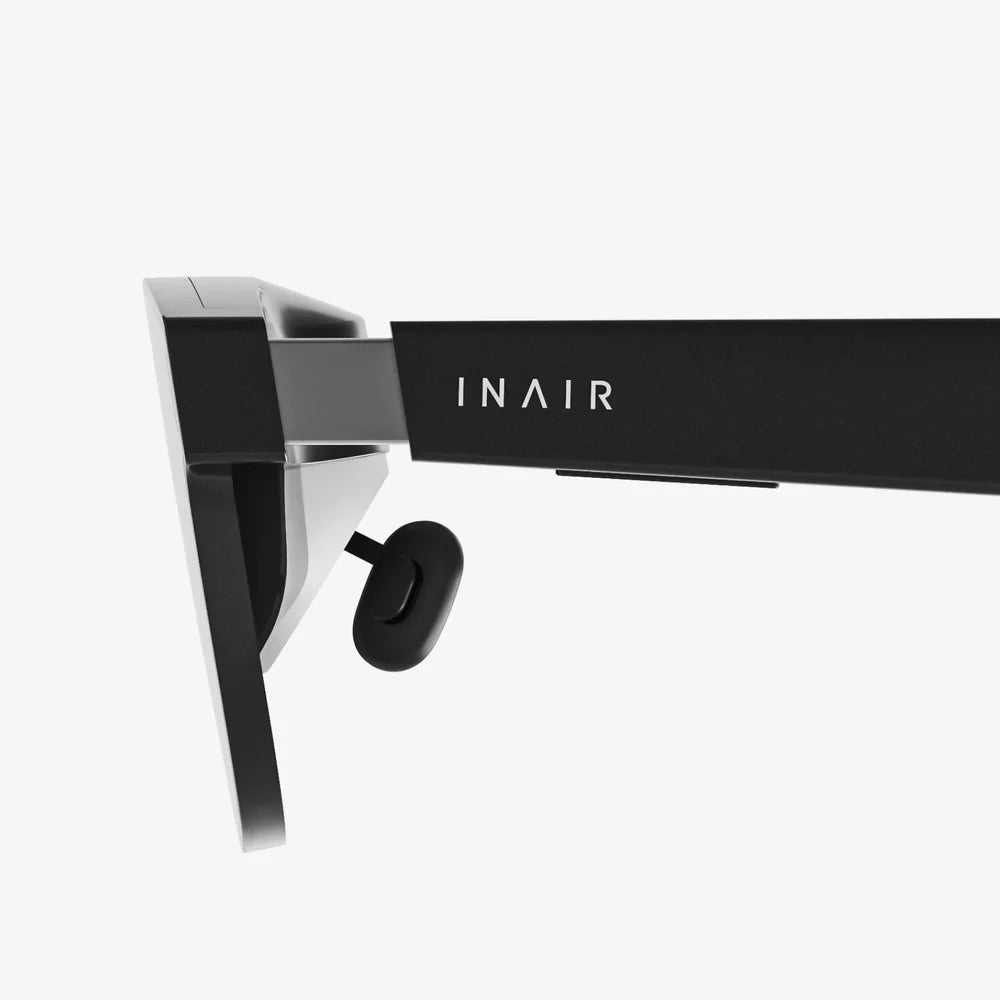
Remember the clunky headsets and pixelated worlds that first introduced us to virtual reality? Toss that image out. The new virtual reality isn't just an upgrade; it's a fundamental reimagining of what it means to step into a digital dimension. It's a seismic shift from a niche gaming accessory to a comprehensive platform poised to reshape how we work, connect, learn, and play. We're no longer just talking about a piece of hardware on your face; we're talking about a gateway to persistent, shared, and deeply immersive experiences that are blurring the lines between the physical and the digital with breathtaking speed. This is the dawn of a new reality, and it's more compelling, more social, and more consequential than ever before.
The Hardware Revolution: Feeling the Digital World
The most tangible evolution in the new virtual reality is the hardware itself. Gone are the days of being tethered to a powerful and expensive computer by a thick cable. The new frontier is dominated by standalone headsets. These all-in-one devices have the processor, graphics chip, and battery built directly into the headset, granting users unprecedented freedom of movement. This liberation from external boxes and wires is the single biggest factor driving mainstream adoption, making the technology accessible and user-friendly.
But the innovation doesn't stop at cord-cutting. We are witnessing a dramatic leap in visual fidelity. New displays offer significantly higher resolutions, pushing past the dreaded "screen door effect" where users could see the gaps between pixels. Combined with advanced pancake lenses that offer a wider field of view and better clarity, the visual experience is becoming crisper, more vibrant, and far more convincing. This enhanced realism is crucial for sustaining immersion and reducing the visual fatigue that plagued earlier generations.
Perhaps the most exciting hardware advancements are in the realm of haptics and sensory feedback. The new virtual reality understands that sight and sound are not enough. We are now seeing controllers that provide nuanced tactile feedback—the sensation of pulling a bowstring, the recoil of a virtual tool, or the texture of a digital object. Even more impressive are developments in haptic gloves and vests. These devices can simulate pressure, temperature, and impact, allowing users to truly "feel" the digital environment. This multisensory approach is key to achieving true presence, the holy grail of VR where your brain fully accepts the virtual world as real.
The Software Ecosystem: Building Worlds and Communities
Powerful hardware is meaningless without compelling software to run on it. The software landscape of the new virtual reality has exploded far beyond simple games and tech demos. It is now a rich, diverse ecosystem catering to a multitude of human needs and interests.
At the forefront is the concept of the metaverse—a term for a network of persistent, interconnected virtual worlds. While a fully realized version is still on the horizon, current platforms are laying the groundwork. These are social spaces where users, represented by highly customizable avatars, can gather for concerts, watch movies together, attend conferences, or simply hang out. The new virtual reality is inherently social and collaborative. It’s about shared experiences, not just solitary ones. You can collaborate with colleagues from across the globe on a 3D model as if you were in the same room, or explore a virtual museum exhibit with a friend who lives in another country.
The application of VR has also become profoundly practical and enterprise-focused. Industries are leveraging this technology for:
- Training and Simulation: From surgeons practicing complex procedures to mechanics learning to repair new equipment, VR provides a risk-free, highly realistic training environment that accelerates learning and improves retention.
- Design and Prototyping: Architects and engineers can walk through and interact with their designs at a 1:1 scale before a single physical resource is spent, identifying flaws and making improvements in the design phase.
- Remote Work and Collaboration: Virtual offices are emerging, allowing remote teams to meet and collaborate in a shared space that feels more natural and engaging than a grid of video calls.
Furthermore, the new virtual reality is making significant strides in healthcare and therapy. It is being used for exposure therapy to treat phobias and PTSD, for physical rehabilitation through engaging VR games, and for cognitive therapy for conditions like Alzheimer's. The ability to carefully control and monitor a patient's environment makes it an incredibly powerful therapeutic tool.
Beyond Entertainment: The Profound Applications
While entertainment remains a massive driver, the true potential of the new virtual reality lies in its capacity to solve real-world problems and enhance human capability.
In education, VR is transforming the classroom. Instead of reading about ancient Rome, students can take a guided tour through a historically accurate reconstruction. Instead of watching a video about the solar system, they can stand on the surface of Mars. This experiential learning leads to dramatically improved engagement and knowledge retention. It makes education accessible and captivating in ways previously unimaginable.
The creative arts are being reborn in VR. Artists are using applications that allow them to sculpt, paint, and create in 3D space, surrounded by their work. Musicians are performing live for global audiences in virtual venues. Filmmakers are crafting immersive, interactive stories where the viewer is inside the narrative. The new virtual reality is not just a new medium; it's a new canvas for human expression.
Perhaps one of the most beautiful applications is in fostering empathy and connection. Documentaries and experiences are being created that allow individuals to step into the shoes of another person—to experience a day in the life of a refugee, to understand a different cultural perspective, or to see the world through the eyes of someone with a disability. This power to generate profound empathy is a unique and transformative aspect of the technology.
Navigating the Challenges and Ethical Considerations
This rapid advancement is not without its significant challenges. As we embrace the new virtual reality, we must proactively address the ethical and societal questions it raises.
Privacy and Data Security are paramount concerns. VR headsets are data collection powerhouses. They can track eye movement, hand gestures, body posture, vocal inflections, and even biometric data like heart rate. This information is incredibly valuable and incredibly sensitive. Robust regulations and transparent data policies are essential to prevent misuse and protect users.
The potential for addiction and escapism is real. If a virtual world becomes more appealing, rewarding, or comfortable than the real one, it could lead to users disengaging from their physical lives and relationships. Establishing healthy digital habits and boundaries will be a critical skill.
Furthermore, we must guard against the deepening of social inequalities. The cost of high-end equipment and the required internet bandwidth could create a "digital divide," where access to these transformative experiences and opportunities is limited to those who can afford it. Ensuring equitable access will be a major challenge for developers and policymakers alike.
Finally, the issue of identity and behavior in virtual spaces needs careful consideration. The anonymity or distance provided by an avatar can sometimes lead to toxic behavior and harassment. Establishing clear community standards and effective moderation tools is crucial for building safe and inclusive virtual communities.
The Future is Immersive: What's on the Horizon?
The trajectory of the new virtual reality points toward even deeper integration into our daily lives. We are moving towards Augmented Reality (AR) and Mixed Reality (MR) devices—often in the form of sleek glasses—that will seamlessly blend digital elements with our physical surroundings. Your navigation arrows will appear on the street in front of you, a digital recipe will hover next to your mixing bowl, and a colleague's avatar will sit on your real-world couch during a meeting.
Advancements in Artificial Intelligence (AI) will power more responsive and believable virtual environments and characters. AI-driven non-player characters (NPCs) will be able to hold natural conversations and adapt to user behavior, making virtual worlds feel truly alive. AI will also be used to generate dynamic and personalized content on the fly.
Ultimately, the technology is progressing towards becoming more invisible and intuitive. The goal is to minimize the friction between the user's intention and the digital action, making the technology feel like a natural extension of our own minds and bodies.
The new virtual reality is no longer a speculative fantasy; it is a present-day reality with a rapidly accelerating future. It is a tool of immense power—power to create, to connect, to heal, and to understand. It challenges us to rethink the very nature of reality, community, and human experience. The headset is merely the key. The worlds it unlocks, and the future we build within them, are now up to us.
Imagine a world where your morning meeting is on a space station, your afternoon workout is a quest in a fantasy realm, and your evening concert front-row seats are free and global. The boundaries of your reality are about to expand in ways you've only dreamed of, and the door to these limitless experiences is already open, waiting for you to take that first step through.
Share:
Different Types of AI: A Comprehensive Guide to Understanding Artificial Intelligence
How Does AI Mode Work: A Deep Dive into Intelligent Automation