


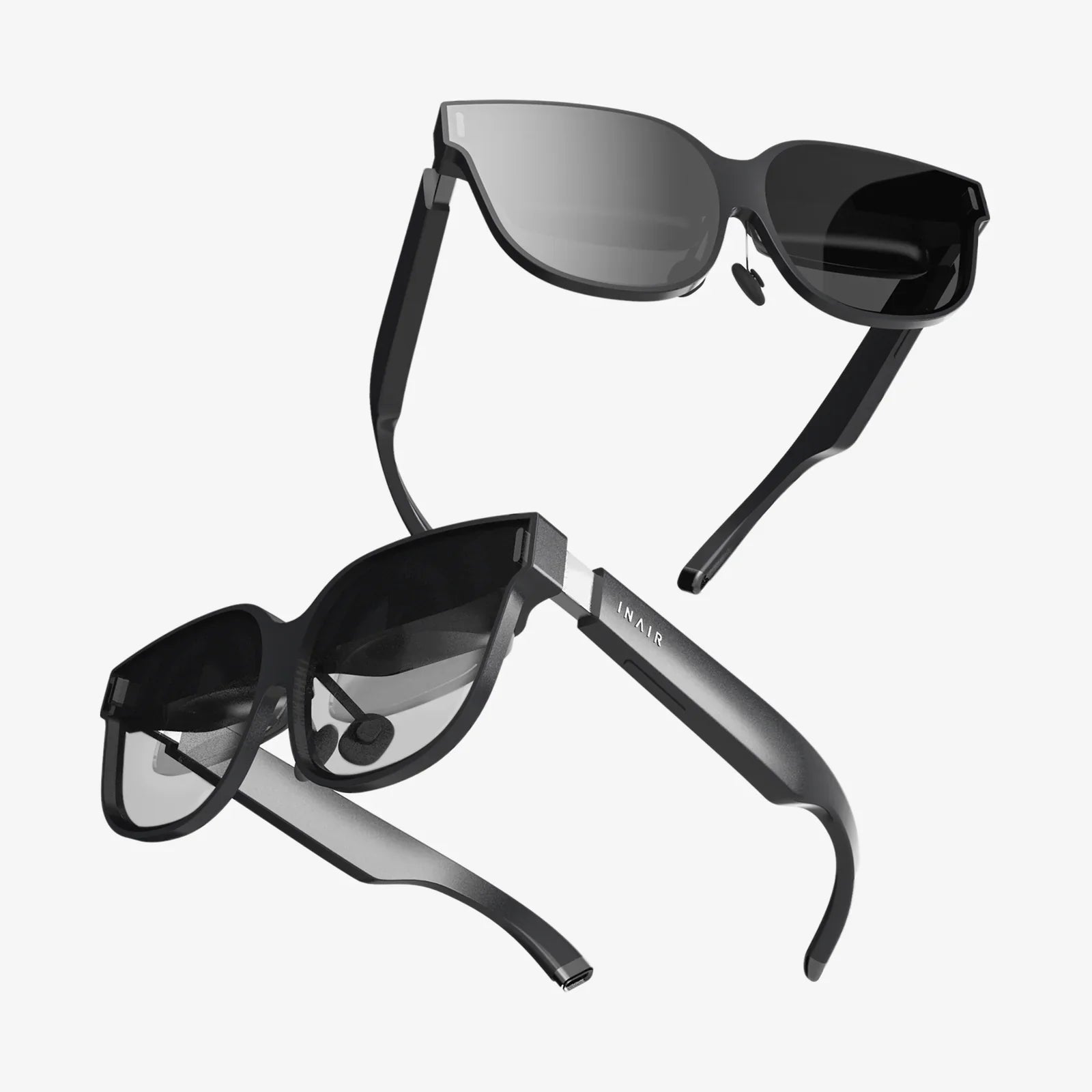
Imagine a world where digital information doesn't just live on a screen but is seamlessly woven into the fabric of your physical reality, enhancing everything you see, learn, and do. This is no longer the stuff of science fiction; it's the powerful promise of augmented reality (AR), a technology poised to revolutionize our lives in ways we are only beginning to comprehend. The journey beyond the screen into an augmented world is here, and its benefits are as vast as they are transformative.
Demystifying the Digital Overlay: More Than a Gimmick
At its core, augmented reality is a technology that superimposes computer-generated images, sounds, and other sensory information onto a user's view of the real world. Unlike virtual reality, which creates a completely artificial environment, AR enhances the existing world by adding a digital layer to it. This is typically achieved through devices like smartphones, tablets, smart glasses, and headsets, which use cameras, sensors, and sophisticated algorithms to blend digital content with the physical environment in real-time. This fundamental principle unlocks a new dimension of interaction, turning passive observation into active, contextual engagement.
Revolutionizing Learning and Knowledge Retention
One of the most profound benefits of augmented reality lies in the realm of education and training. AR transforms abstract concepts into tangible, interactive experiences.
Interactive Textbooks and Classroom Engagement
Static diagrams in textbooks can spring to life. A student studying anatomy can point a device at a page to see a beating 3D heart model, which they can rotate, zoom into, and even watch demonstrate blood flow. This immersive, kinesthetic learning style caters to different learning modalities and significantly improves information retention and comprehension compared to traditional methods.
Specialized Skill Development and Simulation
For vocational training, AR is nothing short of revolutionary. Mechanics can see digital wiring diagrams overlaid directly onto the engine they are repairing. Surgeons can practice complex procedures on virtual patients superimposed onto physical mannequins, receiving real-time data and guidance. This allows for risk-free practice, reduces errors, and drastically shortens the learning curve for highly skilled professions.
Transforming Commerce and the Retail Experience
The commercial sector has been quick to harness the power of AR, using it to bridge the gap between online shopping and the physical retail experience.
"Try Before You Buy" at an Unprecedented Scale
Shoppers can now visualize products in their own space and on their own person with astonishing accuracy. Want to see how a new sofa looks in your living room? Point your phone and place a photorealistic 3D model of it right between your existing furniture, checking for size, color, and style fit. This capability drastically reduces purchase uncertainty, minimizes returns, and empowers consumers to make more confident buying decisions.
Enhanced Product Information and Storytelling
Beyond visualization, AR can be used to tell a product's story. Pointing a device at a product on a shelf could trigger an AR experience showing its manufacturing journey, its component parts, or tutorial videos on its use. This enriches the customer's interaction with the brand, moving beyond a simple transaction to an engaging educational experience.
Empowering Industries and Revolutionizing Workflows
From the factory floor to the construction site, AR is becoming an indispensable tool for improving efficiency, safety, and precision.
Augmented Workforce and Remote Assistance
Field technicians, often working on complex machinery alone, can use AR glasses to receive real-time visual instructions from an expert located miles away. The expert can draw arrows, highlight components, and display checklists directly into the technician's field of view, allowing them to work hands-free. This reduces downtime, eliminates travel costs for specialists, and ensures complex tasks are performed correctly the first time.
Design, Prototyping, and Architecture
Architects and engineers can project their full-scale 3D models onto a physical building site, allowing them to identify potential design clashes with existing structures before a single foundation is dug. This saves immense amounts of time and resources. Similarly, interior designers can walk clients through a virtual rendition of their redesigned space, making changes on the fly based on real-time feedback.
Redefining Healthcare and Improving Patient Outcomes
The benefits of AR in healthcare are saving lives, improving surgical precision, and enhancing patient care.
Surgical Navigation and Visualization
During surgery, AR can project critical information—such as the location of tumors, blood vessels, or nerves—directly onto the patient's body, as seen through the surgeon's headset. This provides a kind of "X-ray vision," allowing for smaller incisions, more precise excisions, and ultimately, safer and less invasive procedures.
Medical Training and Patient Education
Medical students can practice procedures on interactive AR models, and doctors can use AR to explain a complex condition or surgical procedure to a patient by visualizing it in 3D. This demystifies medical information, reduces patient anxiety, and fosters better communication between healthcare providers and those they care for.
Enhancing Navigation and Wayfinding
AR is set to change how we navigate both the digital and physical worlds. Instead of looking down at a map on a phone, AR navigation apps can overlay directional arrows, street names, and points of interest directly onto the live view of the street through your camera. This allows for intuitive, heads-up navigation whether you're walking through a new city, navigating a large airport, or finding your car in a packed parking garage. This technology is also invaluable indoors, such as in museums, where it can provide contextual information about exhibits as you view them.
Fostering Connection and New Forms of Entertainment
AR creates new, shared social experiences and opens up novel avenues for play and creativity. Social AR filters are a simple but powerful example, allowing users to interact with each other through playful digital avatars and effects during video calls. On a larger scale, location-based AR experiences can turn entire city parks into interactive gaming arenas, encouraging physical activity and social interaction in the real world. This blending of digital play with physical space creates a unique genre of entertainment that is both engaging and active.
The Future is Augmented: A World of Contextual Information
The ultimate benefit of augmented reality is its potential to become an invisible, seamless interface between humans and the digital universe. It promises a future where relevant information is presented contextually, exactly when and where you need it, without you ever having to search for it. Your surroundings become the interface. This shift from pull-to-consume information to push-in-context information will fundamentally change our relationship with technology, making it more intuitive, less intrusive, and deeply integrated into the flow of our daily lives. The screen will fade into the background, and the augmented world will step forward.
The true benefit of augmented reality is not just in the flashy graphics or novel apps; it's in its profound ability to enhance human capability, deepen understanding, and bridge the gap between the digital and the physical. It is a tool for empowerment, a catalyst for efficiency, and a canvas for unprecedented creativity. As this technology continues to evolve and become more accessible, its potential to reshape every facet of our existence is limited only by our imagination. The augmented age is dawning, and it invites us all to see our world not as it is, but as it could be.
Share:
Immersive Augmented Reality Services Are Redefining Reality and Reshaping Industries
Immersive Augmented Reality Services Are Redefining Reality and Reshaping Industries