


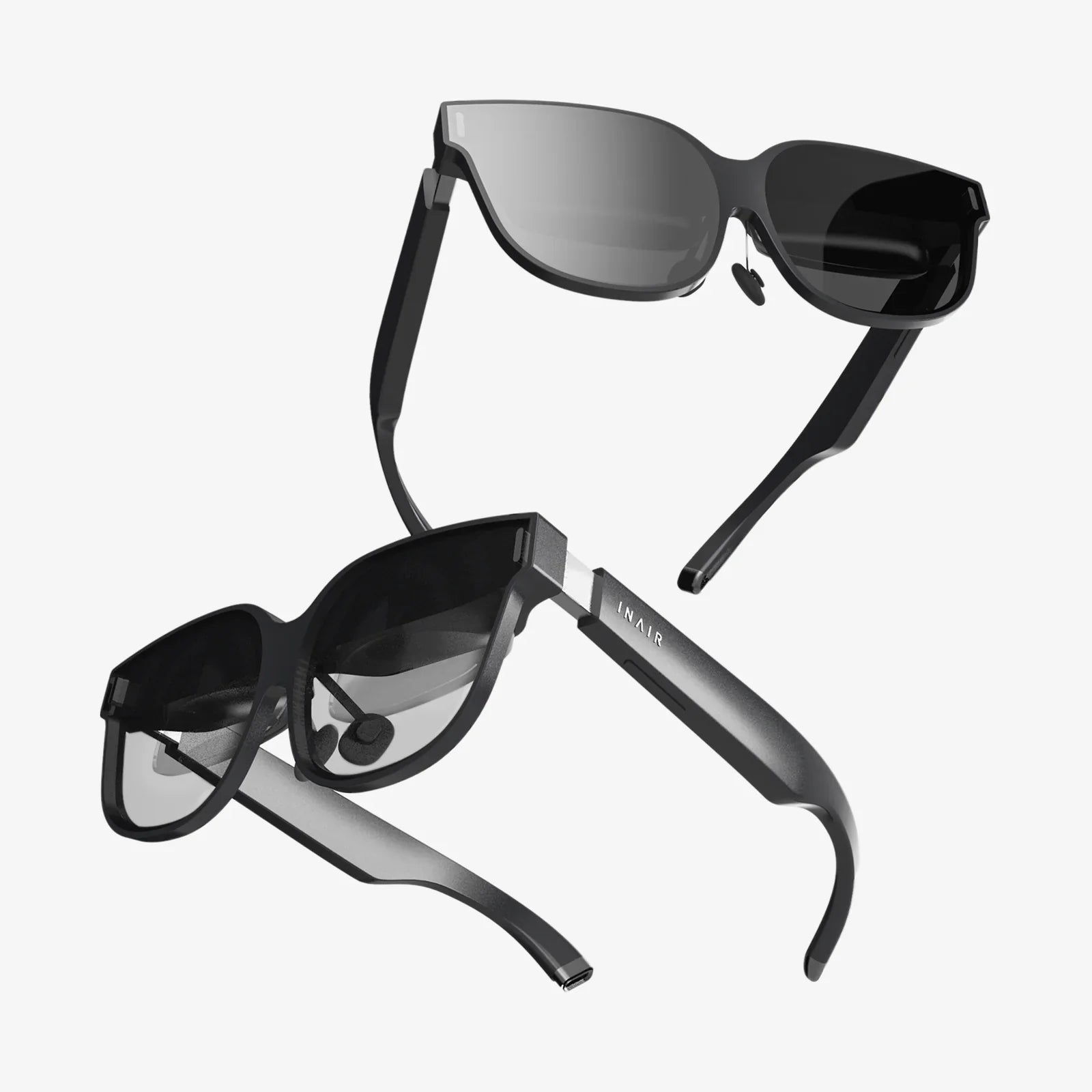
Stepping into virtual reality is no longer a distant sci-fi fantasy; it's a breathtaking, immersive reality available right now. But with a rapidly evolving market filled with impressive options, the burning question remains: what is the best VR headset on the market? The truth is, the answer isn't a single device. The 'best' headset is a deeply personal choice, a perfect alignment of technology, content, comfort, and, most importantly, your individual needs and budget. This comprehensive guide will cut through the hype and dissect the critical factors you need to consider, transforming you from a curious observer into an informed buyer ready to claim your passport to new worlds.
Beyond the Hype: Defining "Best" for You
Before we dive into specifications and features, it's crucial to define what 'best' means for you. A professional architect visualizing 3D models has vastly different needs from a fitness enthusiast looking for a fun workout or a gamer seeking the next epic adventure. The first step in your journey is honest self-assessment.
Ask yourself these key questions:
- What is your primary use case? Is it gaming, productivity, social experiences, fitness, or simply consuming media?
- What is your budget? Prices range from a few hundred to well over a thousand dollars. Setting a realistic budget is essential.
- What are your technical constraints? Do you own a powerful gaming PC, or are you looking for a standalone, all-in-one solution?
- How important is ease of use? Are you a tech enthusiast comfortable with setup, or do you need a plug-and-play experience?
Your answers will immediately narrow the field and guide you toward the right category of headset.
The Titans of VR: A Category Breakdown
The VR market can be broadly segmented into three distinct categories, each with its own champions and trade-offs.
1. The Standalone Revolution: Freedom and Accessibility
Standalone headsets are all-in-one units. They have their own processor, storage, battery, and displays, meaning they operate completely independently of any other device. They represent the most accessible and user-friendly entry point into VR.
Key Advantages:
- Untethered Freedom: No wires to trip over. You can use it in any room with enough space.
- Ease of Use: Set-up is incredibly simple; often, you just put on the headset and go.
- Affordability: Generally, they are the most cost-effective option, with no need for an expensive PC.
Considerations:
- Processing Power: While improving rapidly, the mobile chipsets inside cannot match the raw power of a high-end gaming PC. This can result in less complex graphics and textures.
- Battery Life: Sessions are limited to typically 2-3 hours before needing a recharge.
This category is dominated by a few key players whose ecosystems offer robust stores filled with games, apps, and social experiences. They are the best choice for most newcomers, fitness users, and those who value simplicity and freedom of movement above all else.
2. The PC-Powered Behemoths: Maximum Fidelity and Performance
For those who demand the absolute highest visual fidelity, the most complex simulations, and the deepest gaming experiences, PC-connected headsets are the undisputed kings. These devices act as ultra-high-resolution monitors strapped to your face, with all the rendering and processing handled by a powerful desktop computer.
Key Advantages:
- Unmatched Performance: Leveraging a high-end GPU allows for stunningly detailed graphics, higher resolutions, smoother framerates, and vastly more complex virtual worlds.
- expansive Content Library: They have access to the vast historical library of PC VR titles, including incredibly deep and moddable games.
- Advanced Features: Often feature the highest-resolution displays, wider fields of view, and more precise tracking systems.
Considerations:
- High Cost of Entry: You need both the expensive headset and a powerful gaming PC, making this the most expensive option.
- Tethered Experience: You are physically connected to your PC by a cable, which can break immersion and limit movement (though wireless adapters exist for some models).
- Complex Setup: Requires more technical know-how to configure the headset, sensors, and software.
This path is for the enthusiast, the hardcore gamer, and the professional who requires the utmost graphical power and precision.
3. The Console Bridge: curated Gaming Excellence
Sitting between the standalone and PC segments is the console-based headset. Designed to work seamlessly with a specific video game console, it offers a curated, high-quality, and plug-and-play experience.
Key Advantages:
- Optimized Performance: Since the hardware is fixed (the console), developers can perfectly optimize games for a consistent, high-quality experience.
- High Value: It provides a PC-level of visual quality and game depth without the need for a costly gaming PC, assuming you already own the console.
- Exclusive Titles: Access to a library of highly polished, exclusive games designed specifically for the platform.
Considerations:
- Platform Lock-In: It only works with its specific console ecosystem.
- Tethered: Like PC VR, it requires a cable connection to the console.
- Limited Use Cases: Primarily focused on gaming, with less emphasis on productivity or social apps compared to other platforms.
This is the ideal choice for dedicated console gamers who want the easiest path to premium, high-fidelity VR gaming.
Dissecting the Specs: What Really Matters
Now that you know the categories, it's time to look under the hood. Specifications can be overwhelming, but these are the ones that truly impact your experience.
Display and Optics: Your Window to Another World
The quality of the lenses and screens is arguably the most important factor in immersion.
- Resolution per Eye: Higher numbers mean sharper, clearer images with less noticeable "screen door effect" (the fine lines between pixels). Look for at least 1832x1920 per eye as a modern standard.
- Display Type: Fast-switch LCDs are common and affordable. OLEDs offer perfect blacks and richer colors but can have a slower response time. Newer technologies like Mini-LED and QLED are emerging, offering the best of both worlds.
- Refresh Rate: Measured in Hz, a higher rate (90Hz, 120Hz, and now even 144Hz) leads to smoother motion, reduced lag, and a significantly lower chance of motion sickness.
- Lens Quality & Field of View (FoV): Good lenses provide a large "sweet spot" where the image is clear, reducing blurriness at the edges. FoV is how much of the virtual world you can see; a wider FoV (over 100 degrees) is more immersive.
- Pancake Lenses: A newer optical technology that allows for much thinner and lighter headsets compared to traditional Fresnel lenses, often with better clarity across the entire lens.
Tracking and Controllers: Your Virtual Hands
How the headset understands your movement is critical for interaction.
- Inside-Out Tracking: Cameras on the headset itself track the controllers and your environment. This is the standard for modern headsets as it requires no external sensors, making setup effortless.
- Outside-In Tracking: External sensors or base stations placed around the room track the headset and controllers. This is often considered the gold standard for precision, especially for competitive gaming and full-body tracking, but it adds cost and setup complexity.
- Controller Design: Ergonomic, well-balanced controllers that feel like an extension of your hand are vital. Features like haptic feedback (subtle vibrations) and finger tracking greatly enhance realism.
Comfort and Fit: The Forgotten Frontier
A technically perfect headset is useless if it's unbearable to wear. Comfort is paramount for long sessions.
- Weight Distribution: A front-heavy headset will strain your neck. Look for models with a counter-balanced battery in the back or a well-designed strap system.
- Head Strap: Elite-style straps with a rear dial for tightening are almost always superior to simple elastic straps, offering better stability and comfort.
- Facial Interface: The material that touches your face should be soft, breathable, and easy to clean. Many companies offer VR covers made of hypoallergenic materials.
- IPD Adjustment: Interpupillary Distance adjustment, either physical (sliding lenses) or software-based, is crucial for aligning the lenses with your eyes to ensure a clear image and prevent eye strain.
The Content Library: The Soul of the System
Hardware is nothing without software. The available games and applications are what give the device its purpose.
- Exclusive Titles: Some of the most acclaimed VR experiences are exclusive to one platform. Research the games you absolutely must play.
- App Ecosystem: Beyond games, look at fitness apps, social platforms, creative tools, and productivity software. A vibrant ecosystem ensures the headset remains useful.
- Backward Compatibility: Does the platform allow you to access games you purchased for previous-generation hardware?
The Verdict: Matching the Headset to the User
So, what is the best VR headset on the market? Let's break it down by user profile.
For the First-Time User & Fitness Fanatic: A modern standalone headset is almost always the correct answer. It offers the perfect blend of affordability, incredible ease of use, and a massive library of accessible games and highly popular fitness apps. The freedom of wireless movement is essential for workouts, and the lack of a complicated setup means you'll actually use it regularly.
For the Hardcore Gamer & Tech Enthusiast: If you have the PC to power it, a high-end PC-connected headset provides an unparalleled experience. You'll get to play the most graphically intensive titles with the highest levels of detail and the smoothest performance. For those who crave the absolute cutting edge of visual fidelity and simulation depth, this is the only choice.
For the Console Gamer Seeking Premium Play: If your life already revolves around a specific game console, its companion VR headset is a no-brainer. It delivers a curated selection of incredibly high-quality exclusive games that are optimized to perfection, offering fantastic value and a seamless experience directly from your living room.
For the Professional and Developer: Needs vary widely, but often lean towards high-resolution PC-connected headsets for visualization, architecture, and design work, or specialized standalone devices with advanced tracking and pass-through capabilities for enterprise training and development.
Gazing into the Crystal Ball: The Future of VR
The technology is advancing at a breakneck pace. The headsets available today are leaps and bounds beyond those from just a few years ago, and the future holds even more promise. We are rapidly moving towards lighter, thinner devices with even higher-resolution displays, eye-tracking technology for foveated rendering (dramatically improving performance), and improved pass-through cameras for seamless mixed reality experiences that blend the virtual and real world. The question of what is the best VR headset on the market will have new, even more exciting answers every year.
Your journey into virtual reality is a personal one, a quest to find the device that disappears on your head and transports your mind. By weighing your desires for freedom against your demands for fidelity, and your budget against your dream library of experiences, you will find your perfect gateway. The best world is waiting for you to log in.
Share:
Internet Glasses Companies Are Reshaping Eyewear: A Visionary Shift in How We See
Good Headphones for People with Glasses: A Complete Guide to Pain-Free Audio