


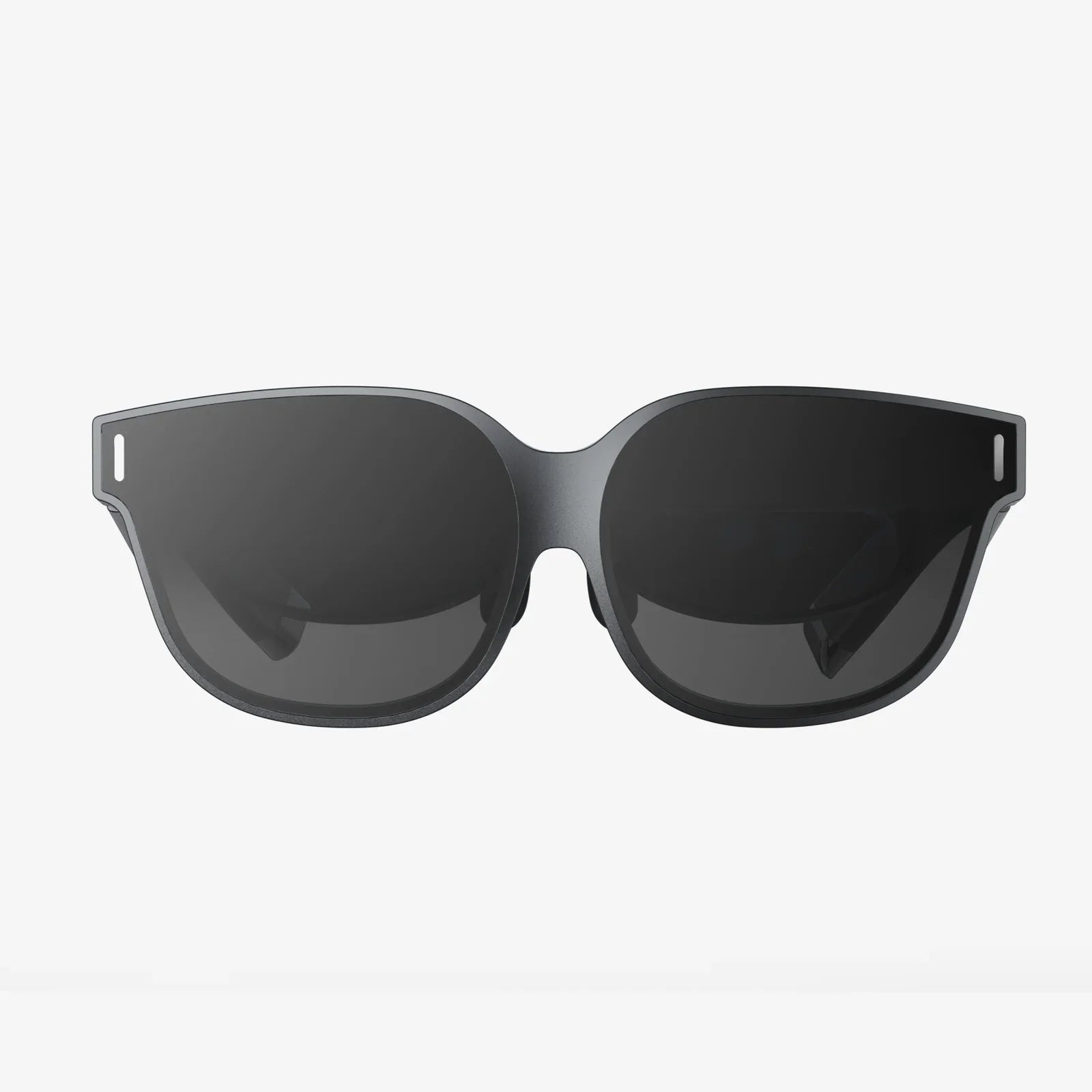
You're ready to take the plunge into virtual reality, to explore new worlds, conquer fantastical enemies, and experience entertainment in a way you never thought possible. But a single, daunting question halts your progress: what is the best VR headset to get? The answer, you'll soon discover, is not a simple one. The "best" headset is a deeply personal choice, a perfect alignment of technology, comfort, content, and, most importantly, your specific needs and desires. This guide is designed to be your trusted navigator through the complex and exciting VR landscape, empowering you to make an informed decision that you won't regret.
Beyond the Hype: Defining "Best" for You
Before we dissect the specs and features, the most critical step is to look inward. The best VR headset for a hardcore competitive gamer is a terrible choice for a casual user who just wants to watch immersive movies. Asking yourself a few key questions will instantly narrow down your options.
What Is Your Primary Use Case?
Your intended use is the north star for your decision.
- PC VR Gaming: Are you seeking the highest-fidelity experiences, the most graphically intense titles, and the precision of a powerful gaming computer? This path requires a headset that acts as a display and sensor peripheral for your PC.
- Standalone Gaming & Entertainment: Do you value convenience and wireless freedom above all else? A self-contained headset with its own processor and battery allows you to jump into VR anywhere, anytime, without being tethered to an expensive computer.
- Fitness & Exercise: Is your main goal to break a sweat and get fit in engaging virtual environments? This requires a comfortable, secure, and preferably wireless headset with good ventilation.
- Social & Creative Experiences: Are you more interested in connecting with friends in virtual spaces, attending live events, or creating 3D art? A headset with a strong social platform, intuitive controls, and a high-resolution display is key.
- Work & Productivity: Looking to replace your physical monitors with virtual screens for coding, design, or data analysis? This demands an extremely high-resolution display for readable text and comfortable long-term wear.
What Is Your Budget?
VR headsspan a significant price range. Your budget should encompass not just the headset itself, but also the ecosystem.
- Entry-Level: Getting your feet wet without a massive investment.
- Mid-Range: The sweet spot for most consumers, balancing performance and cost.
- High-End: No-compromise experiences for enthusiasts with the hardware to support it.
- Hidden Costs: Remember to factor in the cost of games, accessories (like additional face covers or straps), and, for PC VR, the computer itself if you don't already own a capable machine.
What Are Your Technical Constraints?
Be honest about your setup.
- Gaming PC: Do you have a powerful enough computer with a compatible graphics card? Check the specific requirements for PC-connected headsets.
- Play Space: Do you have a clear, open area free of obstacles for room-scale VR, or will you be primarily seated or stationary?
Deconstructing the Technology: Key Specs Explained
Now that you know what you're looking for, let's break down the technological jargon. Understanding these core components will allow you to compare headsets effectively.
Display Resolution & Lens Clarity
This is arguably the most direct factor in visual quality.
- Resolution: Measured in pixels per eye (e.g., 1832x1920). Higher numbers generally mean a sharper, clearer image with less noticeable "screen door effect" (the visible gaps between pixels).
- Lens Quality: Pancake lenses are a newer technology that allows for a much thinner and lighter headset design with a larger "sweet spot"—the area where the image is perfectly clear. Fresnel lenses are older, thicker, and can have more glare, but are cheaper to produce.
- PPD (Pixels Per Degree): A more accurate measure of sharpness than resolution alone, as it accounts for the field of view. A higher PPD means a sharper image.
Field of View (FoV)
This is the angular extent of the visible world seen at any given moment, measured diagonally. A wider FoV (110 degrees or more) feels more immersive and natural, like scuba diving, while a narrower FoV can feel like looking through binoculars.
Tracking Systems: Inside-Out vs. Outside-In
How does the headset know where it is in your room?
- Inside-Out Tracking: Cameras on the headset itself look outward to track its position relative to your environment. This is the modern standard, requiring no external sensors. It's convenient and portable but can sometimes lose tracking if your controllers are held still for too long or are outside the cameras' view.
- Outside-In Tracking: External sensors or base stations placed around your room track the position of the headset and controllers. This is historically more precise and reliable for competitive gaming, but it's less convenient to set up and is not portable.
Refresh Rate
Measured in Hertz (Hz), this is how many times the image on the screen refreshes per second. A higher refresh rate (90Hz and above) leads to smoother motion, which significantly reduces the potential for motion sickness and makes fast-paced action feel more responsive and real.
Audio
Sound is half of the immersion. Most headsets feature built-in spatial audio solutions that pipe sound directly to your ears. Some offer high-quality off-ear speakers that provide immersive audio while still allowing you to hear your real-world environment, which is great for safety and convenience.
The Form Factor: Comfort is King
The most powerful headset in the world is useless if it's a pain to wear. Comfort is a subjective but paramount consideration, especially for longer sessions.
Weight and Balance
Lighter headsets are generally more comfortable. However, balance is even more important. A well-designed headset distributes its weight effectively, preventing pressure on your cheeks and nose. A poor design can feel front-heavy and cause neck strain.
Head Strap Design
- Elastic Straps: Common on cheaper models. They are simple but often provide poor support and balance.
- Rigid Straps: A hard plastic band connects over the top of your head. This is far superior for weight distribution and stability during active games.
- Battery-in-Strap: Some designs place the battery in the back of the strap, acting as a counterweight to the front display. This is often the most comfortable solution.
Interface and Fit
The foam or silicone gasket that touches your face is crucial. It should form a light seal without pressing too hard. Look for options that are replaceable, washable, and perhaps available in different sizes or materials for a custom fit.
The Content Library: Your Digital Playground
Hardware is nothing without software. The ecosystem a headset is tied to determines the games and experiences you can access. Some platforms are walled gardens, while others are more open. Research the exclusive titles and the overall health of the storefront. A headset with a vast, thriving library of content and a strong pipeline of future releases is a safer long-term bet.
Making the Choice: A Roadmap to Your Perfect Headset
Let's synthesize everything we've learned into actionable pathways based on your profile.
For the PC VR Enthusiast & Simulator Fanatic
Your priority is maximum fidelity, performance, and compatibility. You likely already own a high-end gaming PC.
- Your Focus: High resolution, high refresh rate, wide field of view, precise tracking, and comfort for long sessions.
- Key Trade-off: You will be tethered by a cable, though wireless adapter kits exist for some models.
- What to Look For: A headset that connects via a high-speed cable (DisplayPort or virtual link) and leverages the power of your computer. Inside-out tracking is convenient, but outside-in tracking may still offer the absolute pinnacle of precision for competitive play.
For the Standalone Adventurer & Casual User
Your priorities are convenience, accessibility, and wireless freedom. You want to pick up and play without a complicated setup.
- Your Focus: All-in-one functionality, ease of use, a strong and curated content library, and good comfort.
- Key Trade-off: Graphical power is limited by the mobile processor inside the headset. It won't match the visual fidelity of a high-end PC experience.
- What to Look For: A headset with a robust standalone platform, strong exclusive games, and intuitive controls. The ecosystem and social features are just as important as the hardware specs.
For the Fitness Fanatic
Your goal is to move, sweat, and have fun doing it. Comfort and hygiene are your top concerns.
- Your Focus: A secure, comfortable fit that won't slip during intense movement, good ventilation to prevent lens fogging, and wireless operation.
- Key Trade-off: Battery life may be a concern for very long workout sessions.
- What to Look For: A lightweight, well-balanced standalone headset with a rigid strap. Look for accessories like silicone face covers that are easy to wipe down after a workout.
The Future is Now, and It's Waiting for You
The journey to find your ideal virtual reality companion is not about finding a single objectively perfect device, but about uncovering the perfect intersection of technology and aspiration. It's about matching pixel density to your sense of wonder, aligning tracking precision with your movements, and finding a library of content that calls to you. The market has matured beyond a one-size-fits-all solution, offering tailored experiences for every type of user. By arming yourself with the knowledge of what truly matters—from the technical nuances of display panels to the intimate importance of a comfortable fit—you transform from a confused shopper into an empowered pioneer. Your gateway to countless realities is out there, meticulously engineered to dissolve the line between you and the digital frontier. The only thing left to do is to step through.
Share:
Futuristic VR Headset: The Ultimate Portal to New Realities and Human Connection
Why Won't My VR Headset Charge? A Comprehensive Troubleshooting Guide