


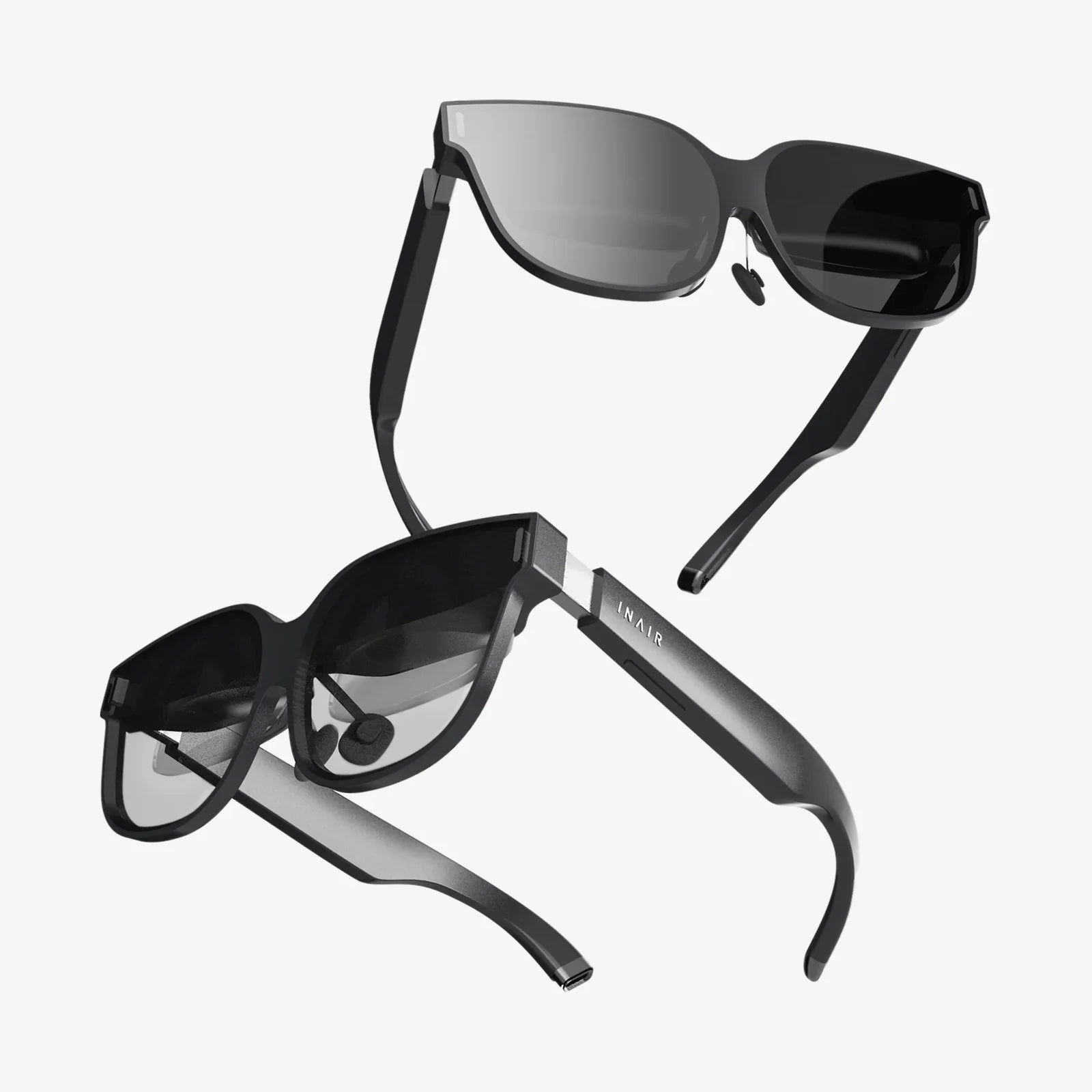
Virtual Reality promises to transport you to new worlds, from the depths of the ocean to the far reaches of outer space, but for many, the biggest barrier isn't the technology itself—it's the price tag. The quest to find the cheapest standalone VR headset is more than just a search for the lowest number; it's a journey into understanding value, performance, and the very essence of what makes VR magical. If you're ready to step into the metaverse without stepping into financial ruin, you're in the right place. Let's peel back the layers of marketing and specifications to discover what affordable VR truly looks like.
Defining "Cheap" in the Standalone VR Landscape
Before we crown a champion, it's crucial to define our terms. The word "cheap" can be a trap. It can mean a low initial purchase price, but it can also imply poor quality, a lack of features, or a disappointing experience that gathers dust in a closet. In the context of standalone VR headsets, we must consider a more nuanced definition: the most cost-effective entry point into a fully functional, engaging, and supported virtual reality ecosystem.
A standalone headset, unlike its PC-tethered or console-powered cousins, has all the necessary computing hardware built directly into the device. There are no wires connecting you to a powerful gaming rig, and no additional expensive hardware is required to make it work. This inherent simplicity is what makes them the most accessible path to VR. However, 'cheap' must also be measured against what you get for your money. We're looking for the headset that offers the most compelling experience for the smallest financial outlay, balancing cost with capability.
The Pillars of Standalone VR Value
To accurately compare and evaluate the contenders for the title of 'cheapest,' we need to break down the experience into its core components. The price of the headset itself is just the beginning.
1. The Hardware: More Than Just a Screen
The physical device is your gateway. Key hardware considerations include:
- Display Resolution and Type: A higher resolution means a sharper, clearer picture with less visible "screen door effect" (the fine lines between pixels). LCD panels are common in budget devices, while more expensive ones may use OLED for deeper blacks.
- Refresh Rate: Measured in Hertz (Hz), a higher refresh rate (90Hz and above) leads to smoother motion, which is critical for comfort and immersion, reducing the potential for motion sickness.
- Field of View (FoV): This is how much of the virtual world you can see at once. A wider FoV is more immersive but often costs more.
- Processor (SoC): The brain of the operation. A more powerful chipset allows for more complex graphics, smoother performance, and better overall experiences.
- Controllers: Are they included? Do they offer six degrees of freedom (6DoF), meaning they track their position in space as well as their rotation, or are they the more limited three degrees of freedom (3DoF), which only track rotation?
2. The Content Library: The Reason You Buy It
A headset is a useless brick without software. The value of a platform is directly tied to the quantity and quality of its available content. This includes:
- Games: From casual experiences to full-fledged adventures.
- Media Apps: For watching 360-degree videos, movies, and socializing.
- Experiences: Educational, travel, and artistic applications.
A robust and growing storefront, often curated by the platform holder, is a significant value add that cheaper, off-brand headsets almost always lack.
3. The Ecosystem and Support
This is the invisible cost. A headset from an established company typically comes with regular software updates, security patches, customer support, and a roadmap for the future. A no-name headset might never receive an update, leaving it vulnerable and stagnant. This long-term support is a critical part of the value proposition that isn't reflected on the initial price tag.
The Contenders for the Crown
With our criteria established, let's examine the players that consistently appear in the conversation for affordable standalone VR.
The Established Leader's Entry Point
The most recognized name in standalone VR has historically offered a two-tier model: a previous-generation device sold at a reduced price and a current-generation flagship model. The older model often represents the best balance of price and proven performance. It typically features:
- A capable, albeit older, mobile processor.
- A solid library of thousands of applications, games, and experiences.
- Full 6DoF tracking for both the headset and its controllers.
- A robust and active ecosystem with continuous updates.
While it may lack the highest-resolution screen or the most powerful processor of its newer sibling, it delivers a complete, modern VR experience. The cost of this device has consistently dropped over time, especially when retailers offer discounts or bundles. For those seeking a guaranteed quality experience on a budget, this previous-generation model from a market leader is frequently the safest and most value-packed bet. It's 'cheap' without feeling cheap.
The Dark Horse: A Focus on Media and China
Another major tech company has made significant inroads with a standalone headset that initially focused heavily on media consumption and a lighter, more social VR experience. Its strategy has been different, often partnering with carriers or retailers for aggressive promotional pricing.
This headset boasts strengths like:
- A very lightweight and comfortable design, ideal for longer viewing sessions.
- A strong emphasis on video content and social VR platforms.
- A growing, though smaller, library of games compared to the market leader.
- Often available at deeply discounted prices during sales events.
For someone whose primary interest is watching movies in a virtual cinema, browsing the web, or socializing rather than hardcore gaming, this device can represent tremendous value and is a strong contender for the cheapest capable headset, particularly when on sale.
The Caveat Emptor Zone: Ultra-Budget Offerings
A quick search on online marketplaces will reveal a plethora of VR headsets at astonishingly low prices. These devices often make bold claims but are almost universally plagued by critical flaws that make them impossible to recommend for a true VR experience.
Common traits of these headsets include:
- 3DoF Only: The headset and controllers only track rotation, not movement in space. This severely limits interactivity and is a dated technology.
- Extremely Weak Processors: They struggle to run anything beyond the most basic, poorly optimized apps.
- "App Store" of Sorts: They lack access to a major curated platform. Instead, they rely on a side-loaded, often buggy collection of apps from unknown sources, which can be a security risk.
- No Support or Updates: You are entirely on your own after purchase.
- Poor Build Quality: Made with the cheapest possible materials.
While the upfront cost of these devices is undeniably low, the experience they provide is not representative of modern VR. They are best avoided by anyone seeking anything more than a five-minute novelty.
The True Cost of Ownership: Beyond the Headset Price
Calling a headset "the cheapest" is misleading if we ignore the costs that come after you swipe your card. The true cost of ownership includes everything required to use the device as intended.
Mandatory Purchases
Some platforms require additional purchases that are non-optional. For example, certain older standalone headsets required a separate, mandatory purchase of controllers to play most content, a critical cost that had to be factored into the total price. Always check if the advertised price includes everything you need to start playing.
The Price of Software
While all platforms have some free content, the best experiences usually cost money. A vibrant library of free-to-try demos and free-to-play games can significantly offset the long-term cost of a platform. One platform's larger library of premium games might mean a higher long-term software investment compared to another that focuses more on free, ad-supported social experiences.
Accessories
These are optional but highly recommended for comfort and longevity. A better strap, a rechargeable battery pack, or lens protectors add to the total investment. For a headset with a poor default strap, a comfort accessory is almost a necessity.
The Verdict: Where Value and Price Intersect
So, after this deep dive, what is the cheapest standalone VR headset? The answer is not a single product name but a strategy.
The cheapest viable standalone VR experience in the modern sense—encompassing a quality library, 6DoF tracking, and ongoing support—is found by purchasing a previous-generation model from a major established player. This approach leverages the natural depreciation of technology. As new flagship models are released, the older, yet still highly capable, models see significant price reductions. Retailers clear old stock with sales, and the second-hand market becomes flooded with lightly used units from upgraders.
This strategy wins because it avoids the pitfalls of the ultra-budget headsets. You are buying into a proven ecosystem with a vast library of content that has been tested and reviewed. You receive software updates and can be confident that the device will work as advertised. The experience will be a genuine, immersive VR, not a shallow imitation.
Therefore, the hunt for the cheapest headset is best executed by tracking the price of these legacy devices. Waiting for a holiday sale, a bundle promotion, or finding a reputable refurbished model is the smartest way to minimize cost while maximizing the quality of your entry into virtual reality.
Looking Ahead: The Future of Affordable VR
The trend in technology is always toward better performance at lower prices. The VR industry is no different. We are seeing new entrants and rumors of new devices aimed specifically at the budget-conscious segment of the market. These future devices will likely leverage newer, more efficient processors to deliver better experiences at lower price points, further blurring the line between budget and premium.
The adoption of technologies like inside-out tracking (where cameras on the headset track the environment, eliminating the need for external sensors) has already driven costs down significantly. As these technologies mature and become cheaper to produce, they will become standard even on the most affordable headsets, raising the floor for what is considered an acceptable experience.
The quest for the cheapest headset is therefore a moving target. What is true today may change in six months. But the principle remains: true value is found not in the absolute lowest number, but in the most compelling experience achievable for that number.
Your journey into virtual reality doesn't have to wait for a lottery win or a massive financial commitment. By focusing on value over mere price, and by strategically targeting proven older hardware, you can unlock the doors to countless virtual worlds today. The immersive thrill of soaring through fantasy landscapes, the wonder of learning in interactive 3D, and the connection of social VR spaces are all closer and more affordable than you think. The only thing left to do is take the plunge and see which budget-friendly headset is right for you.
Share:
Best PC VR Headset Specs: The Ultimate Guide to High-Fidelity Immersion
Best Immersive VR Headset - A Deep Dive Into True Virtual Reality