


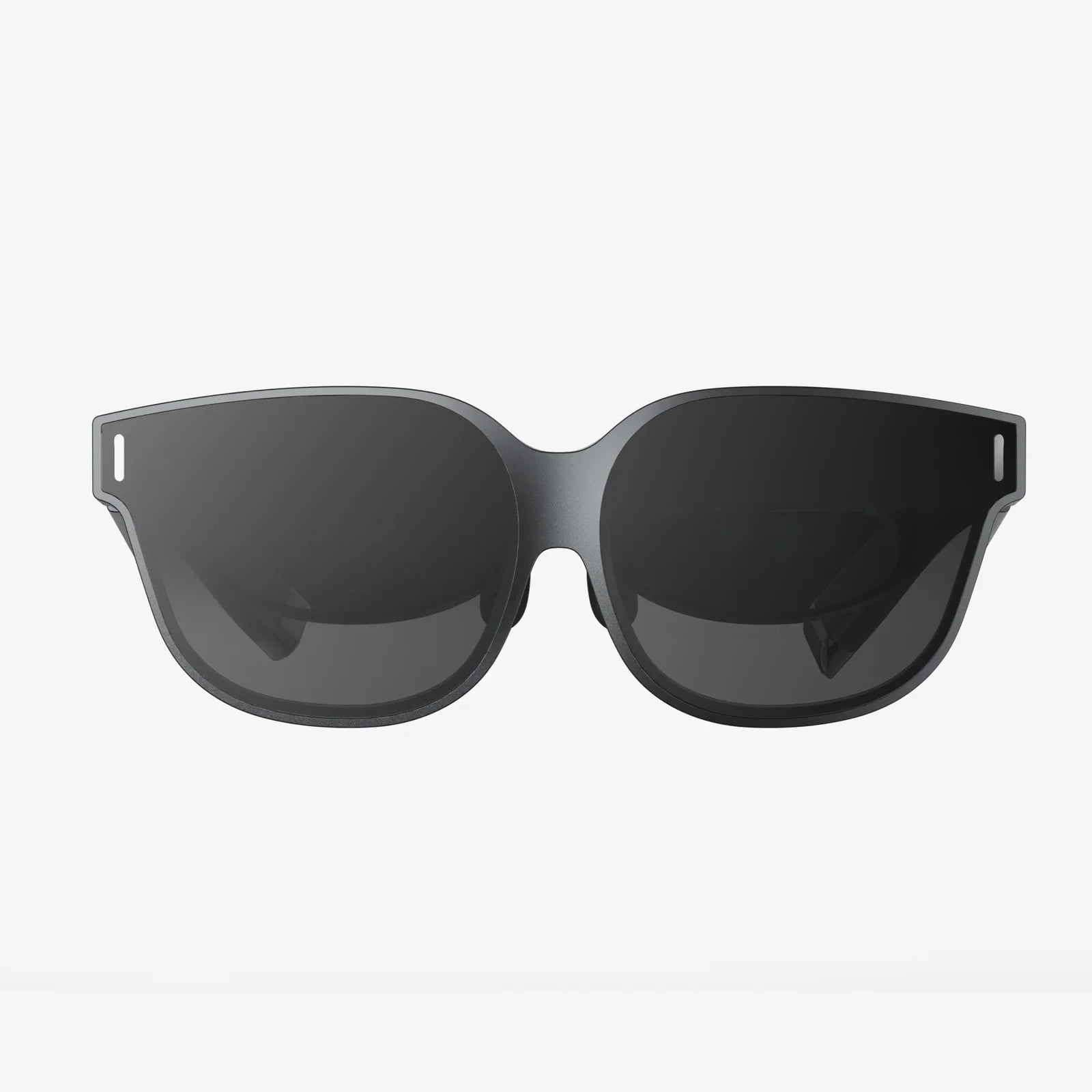
You're ready to dive into the mesmerizing worlds of virtual reality, to swing a lightsaber, paint in 3D space, or explore alien planets, but your bank account is giving you the side-eye. The dream feels out of reach, locked behind a paywall of high-tech jargon and intimidating price tags. What if you could unlock that door for a fraction of the cost? The hunt for the most affordable gateway into full-motion VR is more nuanced than a simple price check; it's a journey into understanding what 'cheap' really means in a rapidly evolving tech landscape. Forget the hype and the confusing spec sheets for a moment. This deep dive is your trusted map to navigating the budget VR frontier, proving that an immersive, controller-wielding adventure doesn't require a fortune.
Defining "Cheap" in the Virtual Reality Market
Before we embark on our search, it's crucial to define our terms. In technology, and especially in VR, "cheap" is a relative term that can mean several different things. It rarely means "low quality," but rather represents a specific value proposition.
First, we must distinguish between a simple head-mounted display and a true virtual reality system. Google Cardboard and its clones are cheap—often under twenty dollars—but they are glorified smartphone holders. They lack positional tracking (the ability to move your head in 3D space) and, most importantly, they do not come with dedicated motion controllers. Your screen is your controller, which is a passive and far less immersive experience. For this article, we are exclusively discussing standalone VR headsets and PC-connected systems that include six degrees of freedom (6DoF) tracking for both the headset and the controllers. This is the minimum standard for a truly engaging VR experience.
Therefore, "cheap" in our context means the lowest-cost entry point to a system that includes:
- A headset with inside-out or external sensor tracking.
- Two motion controllers that also have 6DoF tracking.
- The ability to run a library of interactive VR software.
The price you see on the box is also not the whole story. We must consider the Total Cost of Ownership:
- Hardware Requirements: Does the headset require a powerful, and expensive, gaming PC to function? If so, the cost of that PC must be factored in.
- Software Library: Are the games and apps affordable? Is there a robust library of free content?
- Ecosystem Lock-in: Are you buying into a specific platform's store, or is the device more open?
- Accessories: Will you need to purchase additional items like rechargeable batteries, head straps, or cases?
The Contenders: Navigating the Budget VR Landscape
The market for budget-conscious VR enthusiasts is primarily divided into two camps: standalone headsets and PC-based headsets. Each has its own definition of "cheap" and its own set of trade-offs.
The Standalone Route: All-in-One Convenience
Standalone headsets have been the biggest democratizing force in VR. They have a computer, display, and tracking system built right into the unit, meaning you don't need to tether yourself to another expensive device. For most people seeking the cheapest overall entry point, this is the category to watch.
The dominant player in this space has created a tiered system. Their most affordable model, often from the previous generation, consistently represents the absolute lowest price for a new, retail-packaged 6DoF VR system with controllers. While the specific model name evolves, its role remains the same: to be the gateway drug for VR.
Pros of this option:
- Lowest Barrier to Entry: The upfront cost is the total cost. No hidden PC expenses.
- Ultra-Convenient: No wires, no setup beyond Wi-Fi. Pick it up and play anywhere.
- Solid Software Library: Access to a huge store of mobile-VR titles, including many free experiences.
- Great for Social & Media: Excellent for watching VR videos and engaging in social VR platforms.
- Mobile-Level Graphics: The processing power is a fraction of a gaming PC, so visuals are less detailed and complex.
- Limited Performance: Larger, more ambitious games may struggle or be unavailable.
- Ecosystem Control: You are locked into the manufacturer's store and account system.
The PC VR Route: Power at a (Potential) Discount
If you already own a capable gaming PC, your definition of "cheap" shifts. Your investment is already made, so you can shop for a headset that leverages that power. Here, the cheapest options are often found in the previous generation of hardware or from manufacturers focusing on value.
These headsets connect to your PC via a cable (and sometimes wirelessly with an optional adapter) and use its GPU and CPU to render stunning, high-fidelity visuals. They offload the processing work, which allows the headset itself to be simpler and sometimes cheaper. The key is that the PC is a prerequisite you must already own.
Pros of this option:
- Superior Fidelity: Experience VR with the highest possible graphical settings, detail, and realism.
- Massive Game Library: Access to everything from the standalone market plus the vast, often more hardcore, library of PC VR exclusives.
- More Choice: A wider range of headsets from different manufacturers, each with different strengths (display type, refresh rate, comfort).
- Future-Proofing: As you upgrade your PC, your VR experience improves without needing a new headset.
- The Hidden Cost of the PC: If you don't already have a VR-ready gaming rig, this path becomes the most expensive by far.
- Wired Experience: Being tethered by a cable can break immersion and is a trip hazard.
- More Complex Setup: Requires installing software on your PC and often setting up external sensors around your room.
The Second-Hand Market: A Caveat Emptor Goldmine
No discussion of cheap tech is complete without mentioning the used market. Websites like eBay, Facebook Marketplace, and Craigslist can be treasure troves for VR gear. It's very common to find previous-generation PC VR kits, complete with controllers and sensors, being sold for a fraction of their original retail price as enthusiasts upgrade to the latest and greatest.
Warning: This path requires caution.
- Hygiene: VR headsets are worn on the face. Ensure you can thoroughly clean and potentially replace the foam facial interface and head strap.
- Wear and Tear: Check for scratches on the lenses (which are irreparable and ruin the experience) and ensure all controllers track correctly without "stick drift."
- Missing Parts: Confirm the listing includes all necessary cables, sensors, and power adapters.
- No Warranty: You are unlikely to have any manufacturer support if something goes wrong.
If you're willing to accept these risks, the second-hand market can offer incredible value and potentially the absolute cheapest way to acquire a high-quality PC VR system.
Beyond the Price Tag: Key Features That Impact Value
Choosing purely on the lowest number is a mistake. Several key features dramatically affect your experience and the long-term value of your purchase.
Tracking Quality: Inside-Out vs. External Sensors
This is perhaps the most important technical differentiator. Inside-out tracking uses cameras on the headset itself to see the environment and track the controllers. It's used by all modern standalone headsets and is incredibly convenient, requiring no external setup. However, it can sometimes lose tracking if your controllers are held directly behind your back or too close to your headset.
External sensor tracking (or outside-in) uses laser-emitting base stations or cameras placed around the room to track sensors on the headset and controllers. This method is historically more precise and reliable, especially with fast movements and when controllers are outside the headset's line of sight. The trade-off is a much more involved setup process and being locked to a specific play space.
Display and Lens Technology
Budget headsets will use LCD displays instead of the more premium OLED. LCDs are cheaper and can offer a higher resolution, but they often can't achieve the same deep blacks and vibrant colors as OLED, which can affect immersion. Lens quality is also critical. Fresnel lenses are common but can cause "god rays"—glare around high-contrast objects. The goal is to find a headset with a high enough resolution and decent lenses to avoid the "screen door effect" (seeing the gaps between pixels) without blowing your budget.
Content Library and Platform
A cheap headset is a paperweight without good software. Investigate the storefront it uses. Does it have the games you want to play? Are there frequent sales? Is there a healthy amount of free content to get you started? The largest standalone ecosystem has a immense advantage here, offering everything from major studio releases to experimental indie gems.
Making Your Choice: A Practical Guide
So, which path is right for you? Ask yourself these questions:
-
Do I already own a powerful gaming PC with a compatible graphics card?
- Yes: Your cheapest quality option is likely a previous-generation PC VR kit, either new on clearance or used.
- No: A standalone headset is your only realistic choice for a true 6DoF experience.
-
What is my priority: graphical fidelity or convenience?
- Fidelity: Lean towards a PC VR headset.
- Convenience: A standalone headset wins every time.
-
What is my tolerance for technical setup and troubleshooting?
- High: You can handle the setup of external sensors and PC software. A used PC VR kit could be a great project.
- Low: You want to unbox and play. A standalone headset is designed for you.
-
Am I comfortable buying used tech?
- Yes: Scour the second-hand markets for incredible deals on older high-end gear.
- No: Stick to new, retail products with full warranties.
Based on these answers, your "cheapest" option will come into clear focus. For the vast majority of new users without a gaming PC, the answer is unequivocally the most affordable standalone system from the market leader. It provides the complete package at the lowest possible price with zero compromises on the core immersive experience.
The True Cost of a "Free" Experience
It's also worth a brief mention of the privacy aspect. Standalone headsets, particularly the most affordable ones, are often sold by companies whose primary business is advertising and data. The low hardware price is subsidized by the value of the user data collected within the platform. This is a modern trade-off, similar to that of smartphones. Before purchasing, it's wise to review the company's privacy policy and understand what you are agreeing to in exchange for that lower price point.
The quest for the cheapest VR headset with controllers is not about finding the worst product, but about finding the best value. It's about identifying the point where cost and capability intersect to create a package that delivers genuine, jaw-dropping virtual reality without demanding a king's ransom. That magic point exists. It’s found in the previous generation of standalone tech, in the careful hunt through the used market, and in the honest assessment of your own needs and existing hardware. The portal to other worlds is more accessible than you think, waiting for you to take the first, affordable step.
Imagine describing the feeling of deflecting blaster bolts or sculpting a masterpiece in thin air to a friend, only to reveal your entire setup cost less than a new game console. The future of immersive entertainment isn't a distant, expensive fantasy—it's hiding in plain sight, masquerading as a budget-friendly headset and a pair of wand-like controllers, ready to transform your living room into a launchpad for infinite adventures.
Share:
Budget VR Headset: Your Ultimate Guide to Affordable Immersion
Latest in Augmented Reality: Blurring the Lines Between Digital and Physical