


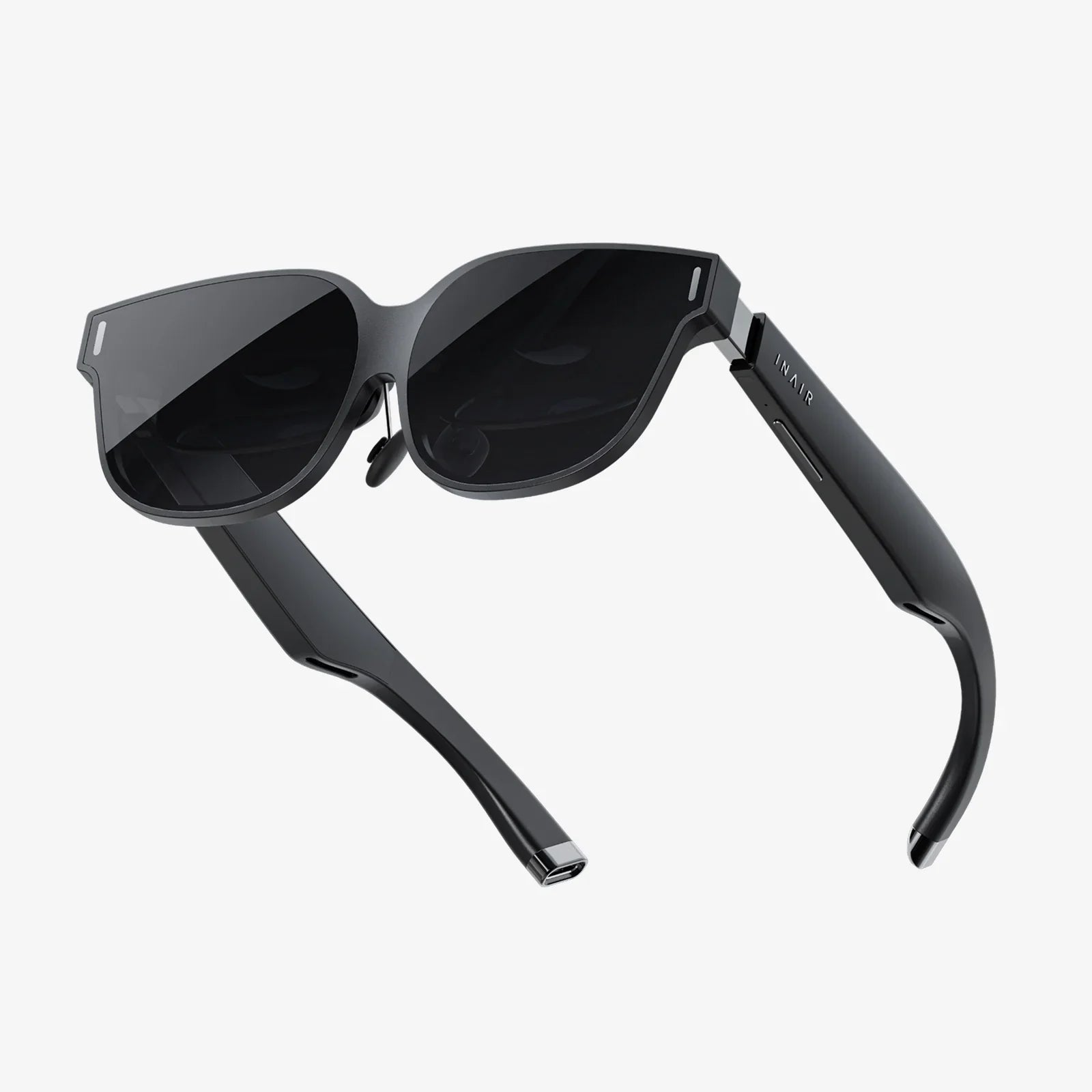
Imagine strapping a device to your head and instantly being transported to the peak of Mount Everest, the depths of the Mariana Trench, or a surgical theater to observe a master at work—all without leaving your living room. This is the tantalizing promise of virtual reality, a technology that is not just evolving but exploding into the mainstream, poised to reshape every facet of the human experience. The question is no longer if VR will impact our lives, but how deeply and irrevocably it will alter our perception of self, society, and reality itself. The journey into the virtual is already underway, and its consequences are as vast and complex as the digital worlds it creates.
The Psychological Reckoning: Rewiring the Mind in a Digital Landscape
The most immediate and perhaps profound impact of virtual reality occurs within the human psyche. Unlike any medium that came before it, VR doesn't ask for your attention; it commands your entire sensory system, creating a powerful illusion of presence—the undeniable feeling of "being there." This phenomenon is the engine of VR's power and the source of its most significant psychological implications.
On the positive front, this sense of presence is a therapeutic breakthrough. Clinicians are leveraging VR for exposure therapy, gradually and safely immersing patients with phobias or PTSD into controlled simulations of their triggers. The brain, convinced it is truly in that situation, processes the trauma and fear in a way that flat-screen therapy cannot match. Similarly, VR is becoming a powerful tool for managing acute pain. By immersing burn victims in a soothing, icy virtual world called "SnowWorld," studies have shown a significant reduction in patients' reported pain levels, sometimes outperforming analgesic drugs. The mind's immersion in an alternate reality can literally override distressing physical signals.
However, this very power breeds a darker potential. The line between the virtual and the real can become dangerously blurred. "Proteus Effect" is the term for how our self-perception and behavior begin to align with our digital avatars. Embodying a powerful, idealized avatar can boost confidence, but it can also lead to disillusionment with one's actual physical self, potentially exacerbating body dysmorphia and identity issues. More concerning is the risk of reality degradation. After prolonged exposure to hyper-realistic or deliberately manipulated virtual environments, users can experience a form of dissociation, questioning the solidity of their physical surroundings. This raises alarming questions about memory contamination—will we soon struggle to distinguish between events that happened in the physical world and those we merely experienced in a convincingly real simulation?
The Social Fabric: Connecting Across Continents or Fragmenting Reality?
VR promises to revolutionize social interaction, collapsing geographical barriers in an unprecedented way. Social VR platforms allow people to gather as avatars in virtual spaces—concert halls, meeting rooms, or fantasy worlds—to collaborate, play, and connect. The sense of shared presence, of looking into the eyes of a digital representation of a person thousands of miles away, fosters a deeper connection than a video call ever could. For isolated individuals, the elderly, or those with mobility issues, this can be a lifeline to a vibrant social world.
Yet, this potential for connection is shadowed by the threat of profound isolation. If a virtual world is more appealing, more comfortable, and more rewarding than the complexities of physical life, what incentive is there to log off? The allure of a curated digital existence could lead to mass withdrawal from tangible communities, weakening real-world social bonds and civic engagement. We risk creating a society of individuals who are together in the virtual sense but utterly alone in a physical room. Furthermore, social VR is not immune to the ills of the wider internet. Harassment, often abstracted on a screen, takes on a terrifying new dimension in VR, where it can feel like a visceral, personal violation. Establishing norms, rules, and ethical codes for behavior in these embodied digital spaces is one of the most pressing challenges of the coming decade.
The Physical Self: The Body's Dialogue with a Bodiless World
While VR is an experience for the mind, it is mediated by the body, leading to a unique set of physiological impacts. The most widely recognized is simulator sickness, a form of motion sickness caused by a disconnect between what the eyes see (movement) and what the vestibular system in the ears feels (stillness). While technological advancements like higher refresh rates and better tracking are mitigating this, it remains a significant barrier to entry for many.
Beyond temporary discomfort, long-term usage presents more subtle physical challenges. Prolonged use of VR headsets can cause eye strain, headaches, and even alter visual perception after the headset is removed. Perhaps a more significant issue is sedentariness. While some VR applications are highly physical, many are not. The temptation to remain immobile for hours in a virtual world could exacerbate the public health crisis linked to physical inactivity. On the other hand, VR's ability to gamify fitness—turning exercise into an engaging adventure—holds immense promise for combating this very issue, demonstrating the technology's dual-edged nature.
Transforming Industries: From the Operating Room to the Classroom
The impact of VR extends far beyond individual experience, poised to disrupt and enhance numerous professional fields. The potential for training and simulation is staggering.
- Medicine: Surgeons can practice complex procedures on virtual patients, making mistakes without consequences and mastering anatomy in immersive 3D. Medical students can "walk" through a photorealistic human body, understanding systems in a way textbooks cannot convey.
- Education: History lessons become time travel, allowing students to witness ancient Rome firsthand. Biology classes can involve traversing a scaled-up model of a human cell. This experiential learning boosts retention and engagement dramatically.
- Enterprise & Design: Architects and engineers can walk clients through unbuilt structures, identifying design flaws before construction begins. Remote teams can collaborate on 3D models as if they were in the same room, manipulating virtual prototypes with their hands.
- Retail and Real Estate: Customers can try on clothes or explore homes for sale from anywhere in the world, revolutionizing these experience-driven industries.
This professional adoption moves VR from a novelty entertainment device to a core tool for productivity, innovation, and safety, integrating it deeply into the economic and structural foundations of society.
The Ethical Abyss: Navigating a World Without Precedent
As we build these new realities, we are forced to confront ethical dilemmas for which our existing legal and moral frameworks are ill-prepared. The concept of data privacy takes on a terrifying new dimension in VR. These systems don't just collect what you click; they collect biometric data on an unprecedented scale—your gaze, your pupil dilation, your posture, your hesitation, your precise movements. This is a window into your unconscious reactions, your fears, and your attentions, creating a potential for manipulation that makes current social media algorithms look primitive.
Who owns this data? How is it used? Could a future employer reject a candidate based on biometric data gathered during a virtual interview? Furthermore, the potential for perfect, immersive propaganda is a tool of social control that authoritarian regimes would be eager to deploy. If you can craft a reality that feels more real than the truth, you can control perception itself. Establishing digital human rights, including the right to mental privacy and protection from neural manipulation, must be a priority as this technology matures.
The horizon of VR is simultaneously dazzling and daunting. It offers us a mirror to examine our own humanity, reflecting both our incredible capacity for empathy, learning, and connection and our potential for escapism, manipulation, and isolation. The impact of virtual reality on humans is not predetermined by the technology itself but will be shaped by the choices we make today—in its design, its regulation, and its integration into our lives. We stand at the precipice of a second reality. The world we build there will ultimately reveal who we truly are here. The headset may be a gateway, but the future it leads to is a choice we must all make, eyes wide open.
Share:
Virtual Reality Discussion: Navigating the New Frontier of Digital Interaction and Its Societal Impact
How Can Virtual Reality Help People: Beyond Gaming into a New Dimension of Human Potential