


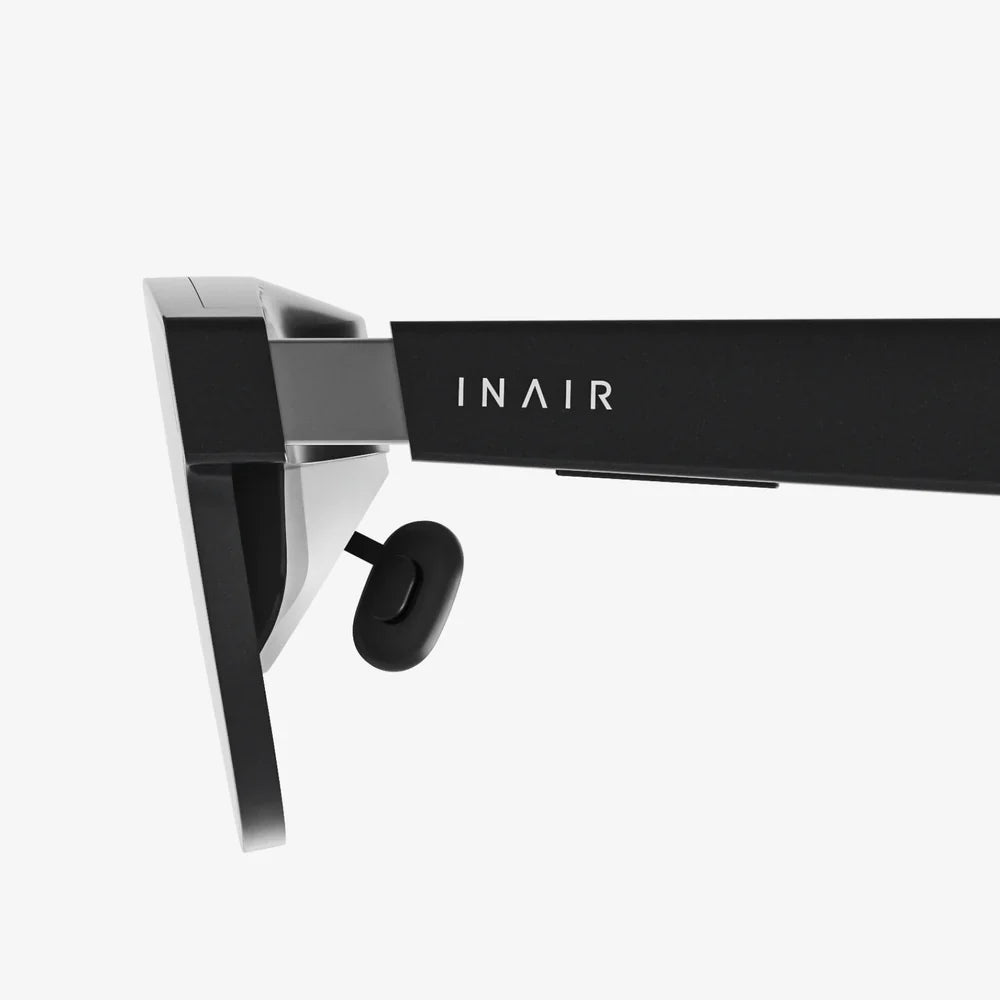
Imagine a world where the boundary between the digital and the physical dissolves so completely that you forget you're wearing a gateway on your face. This is the promise of virtual reality, a promise often tethered—quite literally—by the weight of the hardware. The search for the lightest VR headset isn't just a quest for a spec sheet victory; it's a pursuit of pure, unadulterated immersion, where comfort becomes invisible and your mind is free to explore. For anyone who has felt the nagging pressure on their cheeks after an hour-long adventure or the strain on their neck after a creative session, the question isn't trivial. It's fundamental to the experience itself. The race to build the lightest headset is, in essence, the race to build the best one.
The Critical Importance of Weight in Virtual Reality
To the uninitiated, a difference of a few hundred grams might seem insignificant. But in the context of VR, weight is arguably one of the most critical factors influencing user adoption, comfort, and overall enjoyment. It's a variable with profound implications.
First and foremost is user comfort and extended play sessions. A heavy headset creates pressure points on the face, typically across the bridge of the nose and the forehead. This can lead to discomfort, headaches, and a compelling urge to remove the device long before the user is ready to end their virtual journey. A lighter headset distributes its mass more effectively, reducing these pressure points and allowing for marathon gaming sessions, detailed architectural walkthroughs, or lengthy social gatherings without the constant reminder of the hardware.
Secondly, weight is intrinsically linked to reduced neck strain and fatigue. The human head weighs approximately 10 to 12 pounds. Adding another pound or more to the front of the face alters the center of gravity, forcing the neck muscles to work overtime to stabilize everything. This is a primary cause of the soreness and stiffness many users report after using heavier models. Lighter headsets minimize this biomechanical burden, making the experience far less taxing on the body.
Finally, and perhaps most importantly for the quality of immersion, is the enhancement of freedom of movement and presence. VR is at its best when users can move naturally—ducking, weaving, leaning, and looking around with abandon. A bulky, front-heavy device can feel like an anchor, discouraging dynamic movement and constantly pulling the user out of the moment. A lightweight design fosters a sense of liberty, encouraging more physical engagement and allowing the user to fully commit to the virtual world, thereby strengthening the elusive feeling of "presence"—the sensation of truly being elsewhere.
Deconstructing the Scales: What Makes a Headset Light?
The total weight of a VR headset is not a single figure but the sum of its parts. Understanding where the grams come from is key to understanding the engineering marvels behind today's lightweight champions. The main contributors are:
- The Display Assembly: This includes the screens (or single screen), their housings, and the essential lens array that focuses your eyes. This is often the densest part of the unit.
- The Structural Frame and Body: This is the chassis that holds everything together, typically made from plastic, magnesium alloy, or carbon fiber.
- The Strapping System: Often overlooked, the strap is not just a holder; it's a crucial part of the weight-management system, responsible for distributing the load across the skull.
- The Internal Electronics: The processors, sensors (gyroscopes, accelerometers, magnetometers), and wiring all add up.
- The Audio Solution: Whether it's integrated headphones, directional speakers, or just a jack for your own, audio hardware has mass.
- The Battery: This is a major one. The location of the battery—whether it's integrated into the headset itself or placed in a separate pack—dramatically affects the overall balance and perceived weight.
The Engineering Playbook: How Manufacturers Shed Precious Grams
Creating a lightweight headset is a complex ballet of physics, material science, and industrial design. It's not simply about making things smaller; it's about making them smarter. Here are the primary strategies employed:
1. Advanced Material Science
Gone are the days of relying solely on heavy plastics. The cutting edge of VR design utilizes:
- Magnesium Alloy: Significantly lighter and stronger than traditional plastics, magnesium alloys are increasingly used for the front shell and internal structural elements, providing a rigid frame without the weight penalty.
- Carbon Fiber: Beloved by the aerospace and performance automotive industries for its incredible strength-to-weight ratio, carbon fiber is now finding its way into high-end headset straps and facial interfaces. It's exceptionally light and durable.
- High-Grade Polymers: New formulations of plastic and polycarbonate blends offer improved rigidity and reduced weight compared to their predecessors, allowing for thinner, lighter walls and components.
2. The Battery Balancing Act
The battery is a paradox: it's necessary for untethered freedom but is one of the heaviest components. Engineers have two main approaches:
- External Battery Packs: By moving the battery to a separate unit that can be placed in a pocket or on a waistband, the weight on the head is drastically reduced. This also dramatically improves balance by shifting mass from the front of the face to a more central location on the body.
- Integrated, Smaller Batteries: Some designs opt for a smaller, integrated battery that provides a shorter usage time but maximizes portability and simplicity, relying on swappable packs or quick charging for extended use.
3. Streamlined Design and Component Integration
Every gram counts. This means eliminating unnecessary bulk, designing more efficient circuit boards that combine functions (e.g., a single PCB for all tracking sensors), and using pancake lenses that provide a long focal distance in a much shorter physical package than traditional Fresnel lenses. This allows the entire display assembly to be slimmer and lighter.
4. The Strap is King
A well-designed strap can make a heavier headset feel manageable, while a poor strap can make a light headset feel unbearable. The best modern solutions use rigid, yet lightweight, materials to form a halo-style structure that circles the cranium, pulling weight up and away from the face. Flexible straps with well-padded and adjustable counter-weights are also effective in optimizing balance and comfort.
The Inevitable Trade-Offs: Performance vs. Weight
The pursuit of minimal weight does not come without potential compromises. This is the central tension in VR hardware design. Consumers must be aware of the trade-offs often associated with ultra-lightweight designs:
- Processing Power and Features: The most powerful processors and advanced features like eye-tracking and high-resolution passthrough require more energy and generate more heat, often necessitating larger heatsinks and batteries, which add weight. A standalone headset will almost always be heavier than a purely tethered one that offloads processing to a computer.
- Battery Life: As mentioned, a smaller, integrated battery means less playtime between charges. The ultra-lightweight dream often involves a trade-off between all-day endurance and featherweight comfort.
- Durability and Build Quality: While advanced materials are strong, a headset built to an extreme weight budget might feel less robust than a more substantial, heavier device. It's a perception and reality that manufacturers must carefully manage.
- Field of View (FOV): Wider fields of view generally require larger lenses and more complex optical systems, which can increase size and weight. Some lightweight designs may opt for a slightly more constrained FOV to hit their weight targets.
The Future of Featherweight VR
The trajectory of VR hardware is unmistakably pointed toward lighter, more comfortable, and more powerful devices. We are already seeing several exciting trends that will define the next generation of headsets:
- Micro-OLED Displays: These displays offer incredibly high resolution, perfect blacks, and high contrast ratios, but crucially, they can be made much smaller and more efficiently than traditional LCDs, enabling a significant reduction in the size and weight of the core display module.
- Advanced Pancake Lenses: The adoption of compact pancake lenses will continue, allowing for slimmer optical stacks and bringing the center of gravity closer to the face, which reduces the perceived weight and improves balance.
- Distributed Computing: The concept of offloading intensive tasks to a nearby computer or even the cloud will continue to evolve. This could lead to headsets acting primarily as sophisticated displays and sensors, with the heavy computational lifting done elsewhere, enabling ever-smaller form factors.
- Biomimetic Straps and Materials: Future strapping systems will likely become even more sophisticated, using data from pressure sensors to auto-adjust fit and employing new, breathable, hyper-light materials that mimic natural structures for maximum strength with minimum weight.
The journey toward the ultimate lightweight VR headset is more than a technical specification; it's a human-centered design philosophy. It's about recognizing that the hardware should be a silent partner to the experience, not the main event. As materials evolve, optics improve, and engineers continue to innovate, the dream of a virtually weightless portal to other worlds is swiftly becoming a reality. The future of VR isn't just about what you see; it's about forgetting you're seeing it through a device at all. This relentless push for reduced weight will finally unlock the true, effortless, and profound potential of virtual reality, making immersive experiences accessible, comfortable, and sustainable for everyone.
Share:
Extended Reality XR Definition: The Ultimate Guide to Understanding the Next Digital Dimension
Canada Extended Reality Market: A Deep Dive into Innovation and Growth