


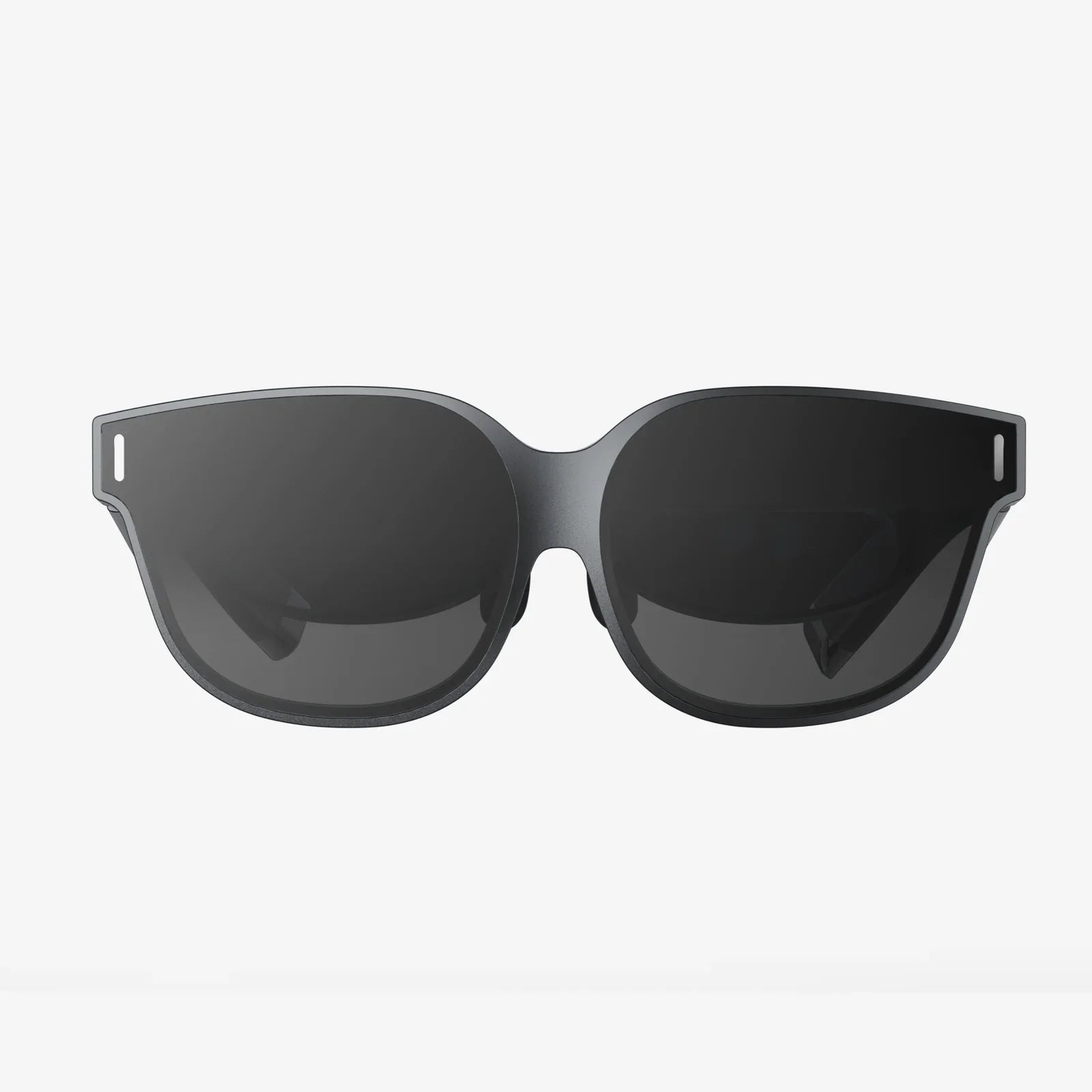
You've seen the mesmerizing commercials, heard the buzz from tech enthusiasts, and perhaps even experienced a fleeting moment in a digital realm yourself. The question lingers, pulling you deeper into the vortex of virtual reality: with so many options on the market, which headset truly reigns supreme? The answer is far more complex and fascinating than a simple name on a box, weaving together technology, accessibility, and pure, unadulterated experience. Unraveling the mystery of popularity is the first step into a much larger world.
Defining "Popular" in a Fragmented Market
Before we can crown a champion, we must first define our terms. "Popular" can be a deceptive metric. Does it mean the highest sales figures? The most fervent and dedicated user base? The device with the broadest brand recognition? Or perhaps the headset that offers the most accessible entry point into virtual worlds? The VR landscape is not a monolithic battlefield with one clear victor; it's a series of ecosystems catering to distinct audiences. Popularity is, therefore, a multi-faceted gem, shining differently depending on the angle of observation.
We can broadly categorize the contenders into three camps, each with its own claim to a form of popularity:
- The Standalone All-Stars: These wireless, all-in-one devices prioritize accessibility and ease of use, offering a untethered experience straight out of the box.
- The Powered Powerhouses: These tethered headsets connect to external sources like powerful gaming PCs or consoles, trading convenience for unparalleled graphical fidelity and processing power.
- The Niche Innovators: This category includes everything from ultra-high-end professional systems to emerging and experimental hardware pushing the boundaries of the possible.
The Undisputed King of Market Share: The Standalone Champion
If we measure popularity by sheer volume of units sold and active users, the answer becomes remarkably clear. One product line has successfully democratized VR, moving it from a niche hobby for tech-savvy gamers to a mainstream entertainment platform. This dominance is not achieved by having the absolute highest-resolution displays or the most powerful processor, but by perfecting the formula of accessibility, affordability, and a robust, user-friendly software ecosystem.
The strategy was genius: remove the two biggest barriers to entry—the high-cost gaming PC and the confusing tangle of wires—and offer a complete experience in a single, manageable package. This approach opened the doors to a massive audience that previously found VR intimidating or prohibitively expensive. The accompanying app store grew exponentially, creating a virtuous cycle where a large user base attracted developers, whose compelling content, in turn, attracted even more users. For millions around the globe, this device is virtual reality, making it the most popular headset by any quantitative measure.
The Premium Experience: The Powerhouse for Gamers and Enthusiasts
However, raw sales numbers only tell part of the story. For a dedicated segment of users—hardcore gamers, simulation enthusiasts, and developers—popularity is defined by performance, fidelity, and immersion. This is the domain of the tethered headset. These devices leverage the immense processing power of a high-end gaming computer or a next-generation console to deliver visuals, physics, and worlds that standalone systems simply cannot match.
For this community, popularity is measured in frame rates, field of view, pixel density, and the precision of tracking. It's about experiencing vast, graphically intense open worlds, engaging in hyper-realistic flight or racing simulators, and enjoying the latest AAA titles built from the ground up for VR. The library of experiences, while sometimes smaller in sheer number, is often deeper, featuring longer, more complex games and sophisticated creative tools. The commitment is greater—both financially and in terms of setup complexity—but the reward is what many consider the absolute pinnacle of consumer virtual reality available today. This ecosystem boasts a fiercely loyal following that argues true popularity is found not in numbers, but in the quality and depth of the experience.
Beyond Gaming: The Rising Contender in Enterprise and Social Connection
A new front in the battle for popularity has emerged, one that focuses less on gaming and more on the future of work, social interaction, and mixed reality. A newer generation of headsets is blurring the line between our physical environment and the digital world. They employ advanced color passthrough cameras, allowing users to see their surroundings in real-time and interact with digital objects overlaid onto their living room, office, or workshop.
This shift in focus has sparked a new wave of popularity among professionals and early adopters. Use cases include architects visualizing 3D models on a construction site, remote collaborators sharing a virtual whiteboard, and fitness instructors leading classes in immersive environments. The potential for this technology to redefine productivity and social connection is immense. While its install base may not yet rival the standalone gaming champion, its growth rate and the buzz surrounding its capabilities position it as a major force and a likely contender for the crown in the coming years. Its popularity is a forward-looking one, based on potential and a vision for a more integrated technological future.
The Key Factors That Drive Popularity
So, what are the ingredients for a popular VR headset? Our exploration reveals several consistent themes:
Content Library: The Software Sells the Hardware
A headset is merely a plastic shell without compelling software. The most popular devices are always backed by a rich and diverse content library. This includes not only games but also social platforms, creative applications, fitness programs, and cinematic experiences. A strong exclusive title can drive headset sales more effectively than any spec sheet.
Accessibility and Ease of Use
The plug-and-play nature of standalone headsets is their greatest weapon. A low friction setup process is critical for mass-market adoption. This includes intuitive controllers, clear user interfaces, and a comfortable design that doesn't require a PhD to configure.
Price Point: The Great Gatekeeper
Cost remains one of the most significant factors. The most popular headset in terms of sales has almost always been the one that offers the best value proposition, providing a significant amount of experience for a palatable price. The premium segment justifies its higher cost with superior performance, but it inherently limits its audience.
Comfort and Design
A headset can have the best specs in the world, but if it's uncomfortable to wear for more than twenty minutes, it will gather dust on a shelf. Weight distribution, materials, strap design, and ergonomics are critical to long-term adoption and, by extension, popularity.
The Verdict: A Divided Throne
So, what is the most popular VR headset? The truth is that there is no single answer. The virtual reality market has matured to the point where it can support multiple winners, each popular within its own domain.
- If you define popularity by pure, unadulterated sales numbers and mass-market penetration, the crown belongs to the leading standalone headset. It is the gateway to VR for the world.
- If you define popularity by delivering the highest-fidelity, most immersive gaming and simulation experiences, the premier tethered headset powered by a PC or console is your champion.
- If you define popularity by buzz, future potential, and pioneering the shift towards mixed reality for work and social connection, then the newest generation of headsets is the one to watch, poised to redefine the landscape.
The competition between these visions is the best thing possible for consumers. It drives innovation, lowers prices, and fuels the creation of incredible content. The race is far from over, and the definition of popularity will continue to evolve with every technological breakthrough.
Ultimately, the most popular VR headset isn't the one with the highest marketing budget or the longest list of features. It's the one that disappears on your head, that fades away as you become fully present in a world of someone else's—or your own—creation. It's the device that unlocks a sense of wonder, whether you're scaling mountains, designing a car, or simply sharing a laugh with a friend in a virtual space. That feeling, above all else, is the true marker of a popular—and profoundly impactful—piece of technology. The quest for the best isn't about finding a single answer, but about discovering which key unlocks the right door for you.
Share:
Best VR Headset to Use as a Monitor: The Ultimate Guide to Your Virtual Workspace
Best VR Headset to Use as a Monitor: The Ultimate Guide to Your Virtual Workspace