


The year is 2025, and the virtual frontier has just expanded in ways once confined to science fiction. You’ve heard the whispers, seen the teasers, and felt the anticipation building. The question on everyone’s mind isn't just about a new piece of hardware; it's about stepping into a new reality. The latest generation of VR headsets has arrived, not as an incremental update, but as a paradigm shift, promising to dissolve the final barriers between you and the digital universe. This isn't just an upgrade; it's an invitation to experience the world—and beyond—anew.
The Architectural Leap: Beyond Resolution and Refresh Rates
While previous iterations focused on sharper displays and smoother motion, the 2025 models have engineered a holistic sensory experience. The obsession with pure pixel count has evolved into a pursuit of perceptual realism.
The cornerstone of this new generation is Micro-OLED with Local Dimming. Unlike standard displays, these panels offer per-pixel illumination, achieving true blacks and an contrast ratio that mirrors the human eye's dynamic range. This eliminates the "gray fog" that plagued earlier headsets, making dark scenes in horror games or the vastness of space feel infinitely more profound and terrifyingly real.
Furthermore, the field of view has seen a dramatic increase, now consistently exceeding 140 degrees horizontally. This wide-FOV design, combined with complex, aspherical pancake lenses, effectively removes the dreaded "binocular" or "scuba mask" effect. The virtual world now occupies your entire peripheral vision, creating an unparalleled sense of presence and scale. You don't look at the environment; you are in it.
The Brain Behind the Operation: On-Device AI Co-Processors
Perhaps the most significant leap is the integration of a dedicated Neural Processing Unit (NPU) or AI co-processor within the headset itself. This isn't just for show; it's the engine driving a suite of revolutionary features.
Foveated Rendering: From Concept to Perfection
Eye-tracking technology is now standard and exceptionally precise. The integrated AI uses this data to power dynamic foveated rendering. It understands exactly where your fovea (the center of your gaze) is looking and renders that pinpoint area in ultra-high resolution. Everything in your peripheral vision is rendered at a progressively lower detail, a trick your brain doesn't notice. This reduces the graphical processing load by orders of magnitude, allowing for photorealistic graphics without requiring a supercomputer to run them.
Intuitive Interface and Avatar Realism
The AI co-processor also handles advanced inside-out body tracking. Using the headset's cameras, it now maps your entire upper body—shoulders, elbows, wrists, and fingers—without a single external sensor. This enables natural gestures, emotive avatar movements, and intuitive interactions. The days of clumsy, floating controllers are over; you simply reach out and manipulate the virtual world with your hands. The system can even interpret facial expressions through minute muscle movements around the eyes and cheeks, translating your real smiles, frowns, and looks of surprise onto your digital persona in real-time.
The Sensory Revolution: Haptics, Audio, and Olfaction
Immersion is more than visual. The 2025 headsets engage all your senses to build a convincing reality.
Haptic Feedback Integration
Advanced haptic engines are built directly into the headstrap and facial interface. A subtle rumble from the rear of the headset can simulate the sensation of wind, while a focused vibration on the temples can mimic the impact of a raindrop or the buzz of a nearby insect. This haptic feedback adds a deeply tactile layer to the experience, grounding you firmly within the virtual space.
3D Spatial Audio Evolution
Audio has moved beyond simple binaural sound. New ultrasonic speakers create sound beams that can be targeted to specific points in a room, making audio seem to emanate from objects themselves, not just your headset. This allows for private listening experiences and incredibly precise audio positioning, crucial for competitive gaming and detailed soundscapes.
The Dawn of Digital Scent
An optional, groundbreaking module is making waves: the volatile organic compound (VOC) emitter. This small peripheral can generate a wide range of simple scents on demand—from the salty breeze of an ocean to the acrid smell of gunpowder or the earthy aroma of a forest after rain. While still in its early stages, this technology adds a powerful, often overlooked sense to the immersive palette, triggering deep-seated memories and emotional responses.
Form Meets Function: Design and Comfort Reimagined
Gone are the days of front-heavy, face-crushing devices. The 2025 design philosophy is balanced, lightweight, and agile.
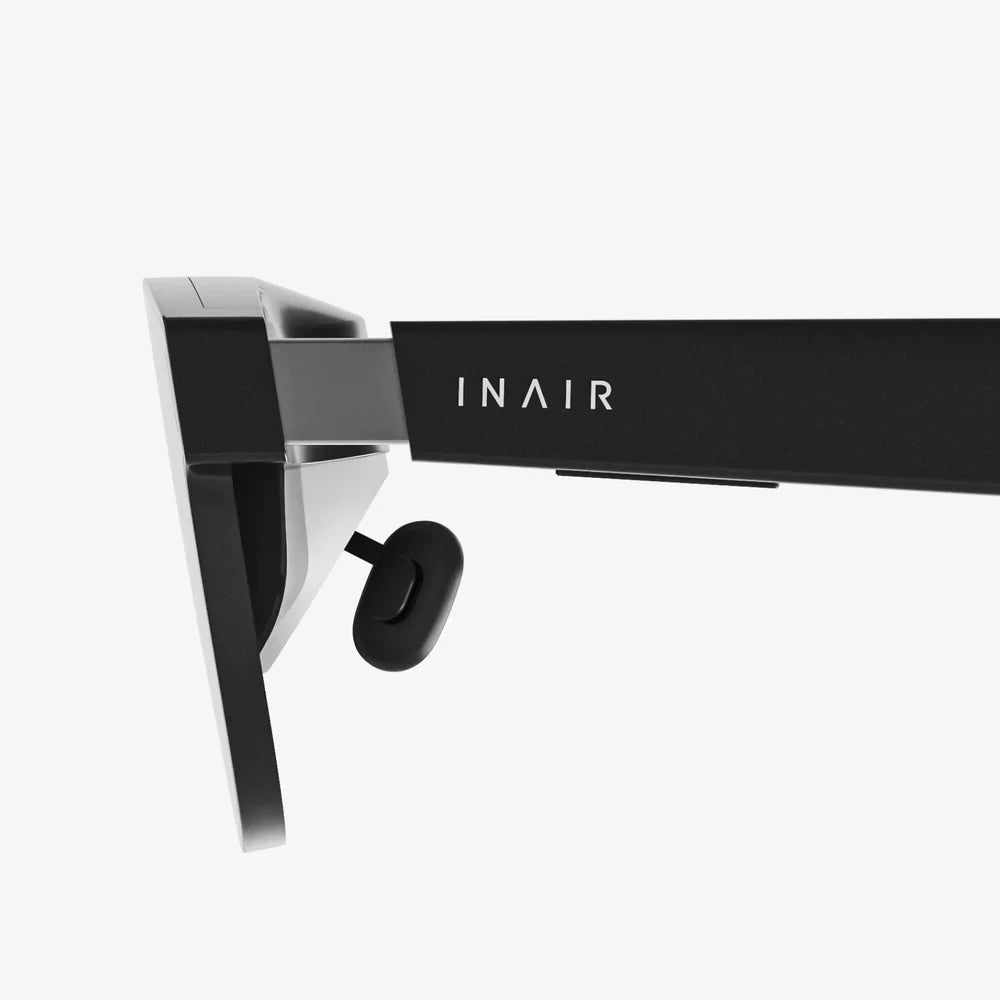
Using new composite materials and a more efficient distribution of internal components, the weight is centered closer to the user's head. The standard headstrap is a rigid, halo-style design that comfortably cups the occipital lobe, while the front module is remarkably slim. Many models are now classified as "all-day wear," comfortable enough for extended productivity sessions, social gatherings, or epic gaming marathons without causing fatigue.
Furthermore, a universal focus on passthrough AR functionality has been realized. High-resolution, low-latency color cameras provide a near-seamless view of your physical environment. The line between VR and AR has effectively blurred, allowing users to pin virtual screens onto their real walls, design virtual furniture in their actual living room, or receive notifications overlaid on their physical workspace without removing the headset.
A Universe of Experiences: What Can You Actually Do?
This technological marvel is meaningless without software, and the ecosystem has exploded to match the hardware's potential.
- The Metaverse Matures: Social platforms are now vast, interconnected digital nations. With hyper-realistic avatars and seamless spatial audio, business meetings, concerts, and casual hangouts feel genuinely lifelike, fostering a sense of shared presence that video calls could never achieve.
- Productivity Powerhouse: Virtual workspaces are indistinguishable from sci-fi depictions. You can have multiple, massive screens floating in a serene virtual environment, free from physical distractions. Architects walk clients through full-scale, interactive models of unbuilt homes, and medical students practice complex procedures on virtual cadavers.
- Gaming's New Golden Age: Games are leveraging every ounce of this new power. Titles feature vast, open worlds with NPCs that react to your eye contact and body language. Horror games use your biometric data—increased heart rate, pupil dilation—to dynamically adjust the scare factor. The controller-free, full-body interaction makes gameplay deeply physical and intuitive.
The Invisible Challenges: Privacy, Ethics, and Accessibility
With great power comes great responsibility. The capabilities of these headsets raise important questions.
The always-on cameras and microphones, combined with biometric data tracking (eye movement, heart rate, expressions), represent a treasure trove of personal information. Manufacturers have responded with robust, transparent privacy frameworks. Features like hardware kill switches for cameras and mics, on-device data processing (so raw data never leaves the headset), and clear user permission systems are now industry standards to build trust.
Furthermore, the industry is grappling with the ethical implications of "experience recording" and hyper-realistic virtual interactions. Guidelines are being established to prevent manipulation and ensure well-being in these powerful new spaces. Efforts are also being made to make the technology more accessible through software-based adjustments for those with visual or auditory impairments, ensuring the virtual world is open to all.
This new era of VR is no longer just for enthusiasts and gamers. It represents a fundamental shift in how we connect, work, learn, and play. The hardware has finally matured to the point where the technology itself fades into the background, allowing the human experience to take center stage. The door to countless realities is now open, waiting for you to take the first step. The only question that remains is: which world will you choose to explore first?
Share:
Upcoming VR Headset 2025: The Future of Immersion is Almost Here
When Did The First VR Headset Come Out? The Surprising 1960s Origin Story