


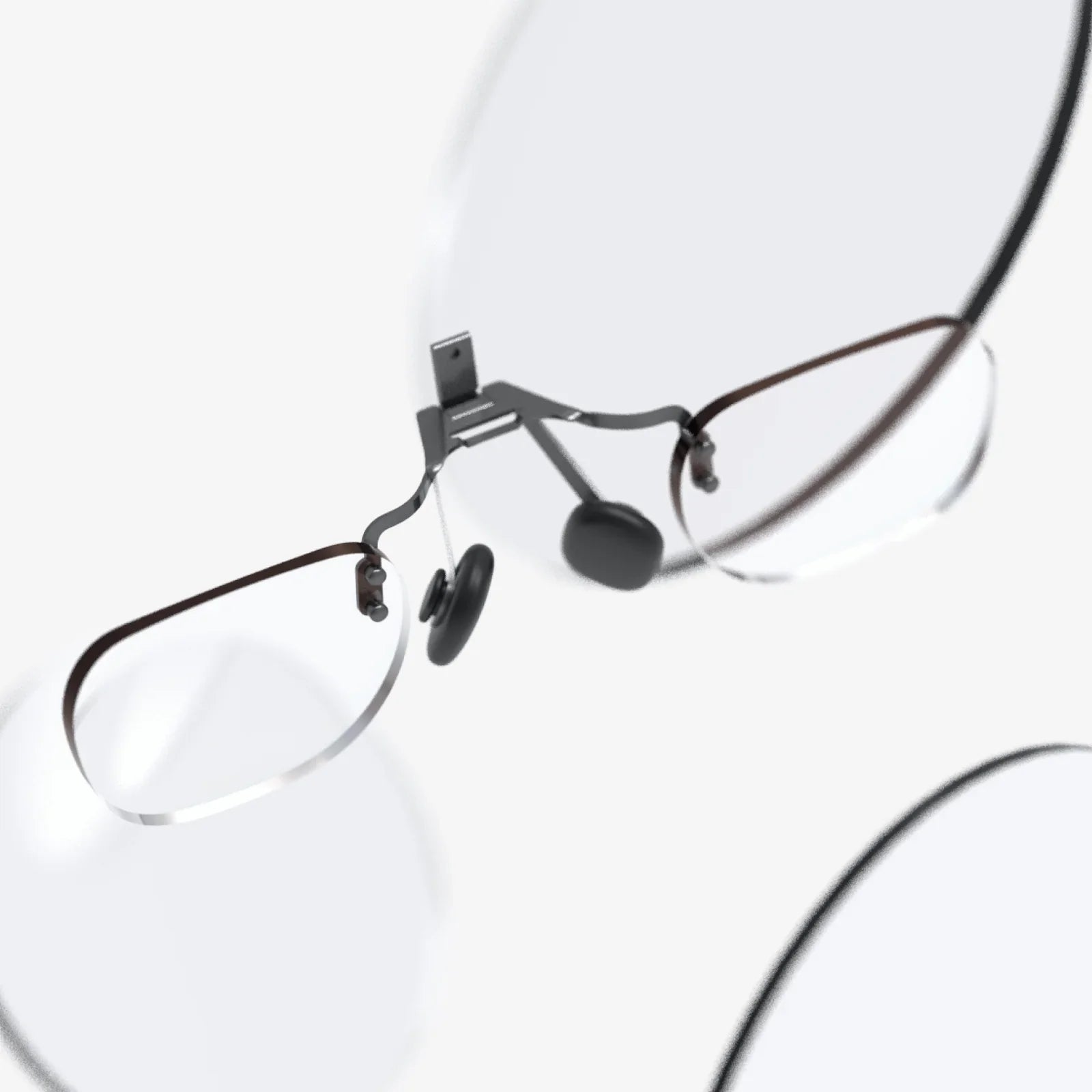
Imagine a world where digital information seamlessly overlays your physical reality, where instructions float before your eyes as you repair complex machinery, and historical figures seemingly walk the streets of your city. This is the dazzling promise of Augmented Reality (AR), a technology rapidly transitioning from science fiction to corporate boardrooms and consumer devices. The potential for revolutionizing industries—from manufacturing and healthcare to retail and education—is staggering, promising unprecedented efficiency, engagement, and insight. Yet, beneath this shimmering surface of innovation lies a complex and often underestimated web of risks. The decision to implement AR technology is not merely a technical upgrade; it is a strategic maneuver fraught with peril that, if ignored, could lead to catastrophic data breaches, physical harm, legal battles, and profound societal consequences. This deep dive moves beyond the hype to expose the critical dangers every organization and developer must confront before stepping into the augmented world.
The Illusion of Security: Data Vulnerabilities in a Hyper-Connected World
At its core, AR is a voracious data consumer. To function, it must continuously capture, process, and interpret the real world. This creates an attack surface of unprecedented breadth and sensitivity.
The Data Goldmine: What AR Systems Actually Collect
Unlike traditional applications that might access discrete pieces of information, AR systems require a constant, real-time feed of a user's environment. This typically includes:
- High-Fidelity Spatial Mapping: Precise 3D models of physical spaces, including office layouts, factory floors, and even private homes. This data reveals everything from the location of valuable assets to the routine pathways of employees.
- Biometric Information: Sophisticated AR systems use eye-tracking, hand gesture recognition, and facial mapping for interaction. This biometric data is uniquely identifying and highly personal.
- Visual and Audio Data: Live video and audio feeds of the user's surroundings, potentially capturing confidential conversations, sensitive documents left on desks, and the comings and goings of individuals.
- User Behavior and Metadata: How a user interacts with digital objects, where they gaze longest, and their physiological responses to certain stimuli.
This amalgamation of data creates a digital twin of not just a physical space, but of the person within it. A breach is no longer just about leaking a password database; it's about leaking a comprehensive digital replica of a corporate headquarters or an individual's life.
Attack Vectors: How AR Systems Can Be Compromised
The methods of attack are as novel as the technology itself:
- Data Interception: The constant streaming of sensitive environmental data to and from cloud processing services presents a major opportunity for man-in-the-middle attacks if not properly encrypted.
- Malicious Object Injection: An attacker could hack an AR platform to inject fraudulent digital objects into a user's field of view. Imagine a factory worker seeing incorrect instructions overlaid on a machine, leading to improper operation and catastrophic failure.
- Spoofing and Poisoning: By placing specific visual markers or objects in the real world, an attacker could "poison" the environment, tricking the AR system into misidentifying locations or objects and delivering incorrect information.
- Device Hijacking: Compromising the AR device itself could give an attacker a first-person view through the user's camera and microphone, creating the ultimate espionage tool.
The consequences of such breaches extend far beyond financial loss. They can lead to industrial sabotage, corporate espionage on a previously impossible scale, and severe reputational damage that erodes user trust permanently.
A Privacy Paradox: The Erosion of Personal Boundaries
Closely tied to security is the monumental risk to personal and collective privacy. AR technology inherently blurs the line between public and private information, creating a societal paradigm shift we are ill-prepared to handle.
Surveillance and the End of Anonymity
The always-on, always-sensing nature of AR devices means they are perpetually gathering data not just about the user, but about everyone and everything in the vicinity. This raises dire questions:
- Bystander Privacy: When someone uses AR glasses in a public park, a coffee shop, or an office, they are potentially capturing the images, conversations, and activities of non-consenting individuals. The norms of public surveillance are fundamentally rewritten.
- Hyper-Targeted Advertising and Manipulation: With deep knowledge of a user's real-world behavior, preferences, and even emotional responses (via eye-tracking), advertisers or malicious actors could manipulate behavior with terrifying efficiency. You might not just see an ad for a coffee shop; you might see a virtual coupon floating on the door that only appears when the system detects you are tired and stressed.
- Social Scoring and Discrimination: AR systems could be used to overlay publicly scraped data onto individuals in real-time—imagine seeing a person's social media profile or credit score floating above their head. The potential for discrimination and social stratification is immense.
Informed Consent in a Continuous Stream
The traditional model of informed consent—clicking "I Agree" on a terms-of-service document—is utterly broken in the context of AR. A user cannot reasonably consent to the collection of every data point in their dynamic environment, much of which involves other people. This creates a legal and ethical quagmire for organizations that must navigate evolving data protection regulations like GDPR and CCPA, which were not designed with persistent environmental data collection in mind.
The Tangible Threat: Physical and Psychological Safety Hazards
Unlike purely digital technologies, AR operates at the intersection of the digital and the physical. This creates unique and direct risks to human safety.
Real-World Physical Dangers
Immersion in an augmented world can literally mean taking your eyes off the real one. Key risks include:
- Distraction and Situational Awareness: A user engrossed in navigating digital menus or interacting with virtual objects can easily trip, walk into obstacles, or fail to notice real-world hazards like approaching vehicles or dangerous machinery. This is a critical concern for field service technicians, warehouse workers, and even consumers using AR while walking down the street.
- Ergonomics and Physical Strain: Poorly designed interfaces can lead to unnatural head movements, eye strain ("vergence-accommodation conflict"), and repetitive stress injuries. The long-term physiological effects of prolonged AR headset use are still largely unknown.
- Cybersickness: A form of motion sickness induced when a user's perceived motion (from the AR display) conflicts with their vestibular system's sense of movement. This can lead to dizziness, nausea, and disorientation, impairing a user's ability to operate vehicles or equipment safely.
Psychological and Cognitive Impacts
The risks extend beyond the physical:
- Reality Blurring: Prolonged use of highly immersive AR could lead to difficulty distinguishing between augmented experiences and actual memories, or between digital constructs and physical reality. This is especially concerning for children and adolescents whose brains are still developing.
- Behavioral Manipulation: As mentioned, the ability to overlay context-aware information can be used to subtly influence user decisions and actions, raising concerns about autonomy and free will.
- Addiction and Social Isolation: If an augmented world becomes more stimulating, rewarding, or manageable than the real one, users may withdraw from genuine human interaction, leading to new forms of addiction and social isolation.
Navigating the Uncharted: Legal, Ethical, and Societal Quagmires
The implementation of AR does not occur in a vacuum. It forces a reckoning with outdated legal frameworks and thorny ethical questions that lack easy answers.
Legal Liability in a Augmented Landscape
When the digital and physical worlds collide, so do their liabilities. Who is at fault in an AR-induced accident?
- Product Liability: If a worker is injured after following incorrect AR instructions, is the liability with the device manufacturer, the software developer, the content creator, or the employer who mandated its use?
- Digital Trespassing: Is placing a virtual object on someone's physical property without permission a form of trespass? What about defacing public monuments with virtual graffiti?
- Intellectual Property Nightmares: If an AR experience uses a 3D scan of a copyrighted sculpture or a trademarked building, does it constitute infringement? The laws are murky at best.
The Ethical Imperative: Designing for Humanity
Beyond the law, there is a pressing ethical responsibility for creators and implementers:
- Algorithmic Bias: AR systems trained on biased datasets could misidentify objects or people, leading to discriminatory outcomes. For instance, a system that fails to recognize tools commonly used by certain demographics could provide inferior support.
- Accessibility and the Digital Divide: Will AR create a new class of "augmented haves" and "unaugmented have-nots"? High costs and complex interfaces could exclude large portions of the population from future jobs and social experiences built around AR.
- Informed Consent Revisited: The ethical burden falls on organizations to develop new models of consent that are continuous, contextual, and understandable, rather than relying on lengthy legal documents.
Mitigating the Inevitable: A Framework for Responsible Implementation
While the risks are significant, they are not insurmountable. A proactive, risk-aware strategy is essential for any organization venturing into AR.
Adopting a "Security and Privacy by Design" Mindset
This is not a feature to be bolted on later. It must be the foundation.
- Data Minimization: Collect only the data absolutely necessary for the application to function. Does the system really need a persistent 3D map, or can it use a temporary, on-device scan?
- On-Device Processing: Whenever possible, process sensitive data locally on the device rather than streaming it to the cloud, drastically reducing the attack surface.
- Robust Encryption: Implement end-to-end encryption for any data in transit and strong encryption for data at rest.
- Regular Penetration Testing: Continuously test AR systems for novel vulnerabilities, engaging ethical hackers who understand the unique AR threat landscape.
Prioritizing User Safety and Well-being
- Clear Safety Protocols: Develop and enforce strict guidelines for where and when AR can be used, especially in safety-critical environments.
- Ergonomic Design: Prioritize user comfort in hardware and interface design to prevent physical strain.
- Reality Anchors: Design systems that keep the user grounded in the real world, using clear visual cues to distinguish between digital and physical objects and ensuring the user maintains situational awareness.
Establishing Ethical Guidelines and Governance
- Create an Ethics Board: Establish a cross-functional team including legal, security, UX, and ethics experts to review AR projects for potential risks before they are deployed.
- Develop Transparent Policies: Be radically transparent with users about what data is collected, how it is used, and who it is shared with. Provide easy-to-use controls.
- Engage with Regulators and Policymakers: Proactively participate in shaping the legal and regulatory frameworks that will govern AR technology, advocating for sensible rules that protect users without stifling innovation.
The shimmering potential of Augmented Reality is not an illusion, but its accompanying risks are equally real and dangerously easy to overlook in the rush to innovate. The path forward requires a fundamental shift from asking "What can we build?" to "What should we build?" and "How can we build it responsibly?" The organizations that will thrive in the augmented age will be those that recognize this technology is not just a tool for viewing the world differently, but a force that will reshape human experience, for better or worse. Their success will be measured not merely in ROI, but in their ability to build trust, ensure safety, and navigate the profound ethical responsibilities that come with weaving the digital and physical worlds into one. The risk of implementation is great, but the risk of ignoring these dangers while charging blindly ahead is infinitely greater.
Share:
Entire Interaction Digitally: The Unseen Architecture of Our Modern Lives
What's a Digital Interaction? The Unseen Language of the Modern World