


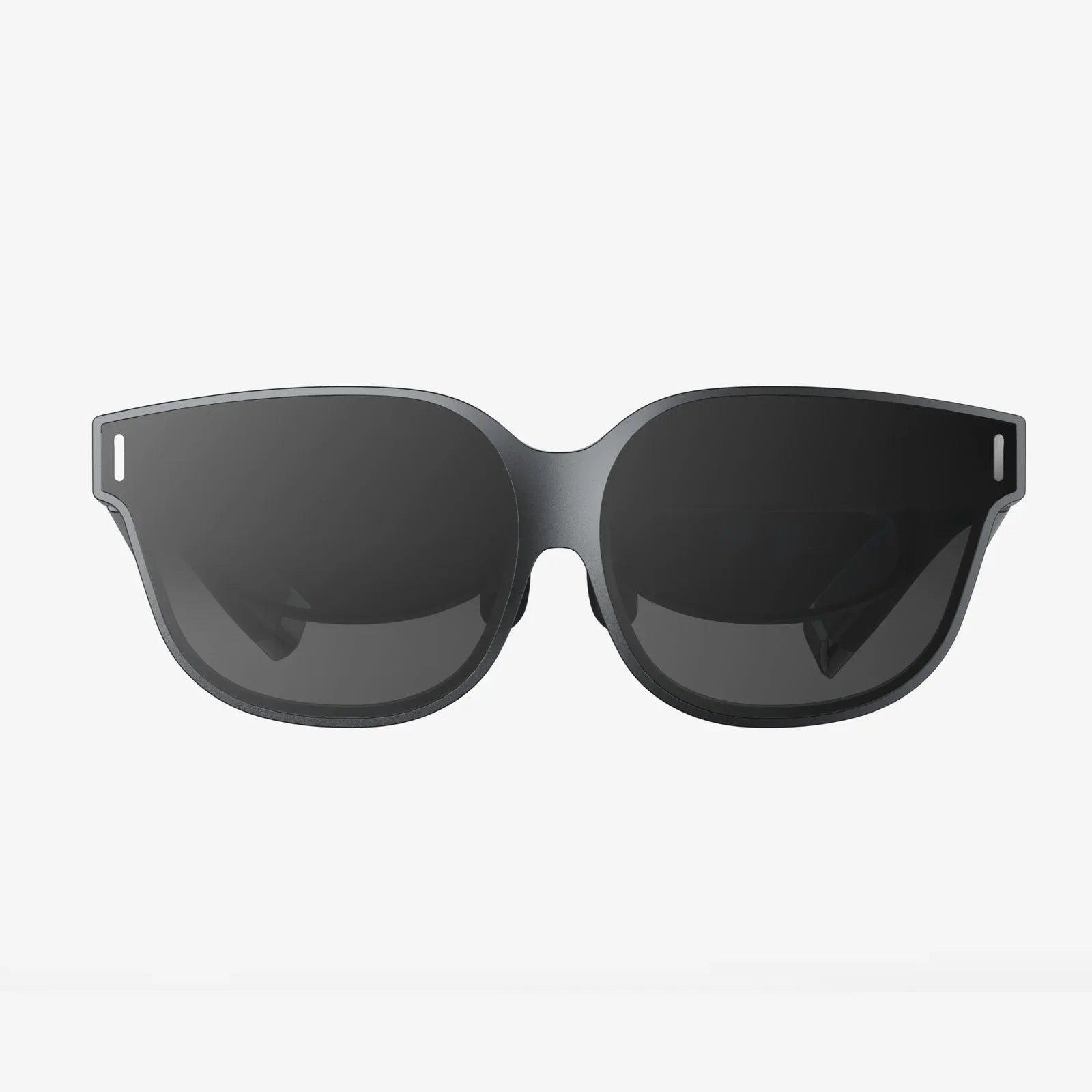
You’ve seen the future, and it’s a pair of goggles that can transport you to another world. The quest for the ultimate virtual reality experience is more intense than ever, but with a market flooded with options, how do you possibly choose? The answer isn't as simple as naming a single device; it's about understanding the pinnacle of technology that creates a truly transformative experience. This isn't just about specs on a page; it's about the feeling of presence, the clarity of a new reality, and the seamless magic that makes the real world fade away. Let's peel back the layers and discover what truly defines a top-tier VR headset.
The Unbeatable Trio: Resolution, Refresh Rate, and Field of View
When you strap a headset to your face, the first thing your brain judges is the visual fidelity. This is where the battle for supremacy is won or lost. The top contenders don't just have good displays; they have exceptional ones.
Resolution and Pixel Density: The era of the "screen door effect"—where users could see fine lines between pixels—is rapidly closing. The best headsets available today boast stunning per-eye resolutions that often exceed 4K combined. This high pixel density, measured in pixels-per-degree (PPD), is crucial. A higher PPD means a sharper, more believable image where text is crisp, and distant objects in virtual environments are clear, not blurry smudges. It’s the difference between looking through a window and being there.
Refresh Rate: The Key to Comfort: A high refresh rate, measured in Hertz (Hz), is non-negotiable for a premium experience. While 90Hz was once the standard, the elite headsets now push 120Hz and even 144Hz. This isn't just for hardcore gamers; a higher refresh rate drastically reduces motion blur and latency, which are primary culprits of simulator sickness. The action feels buttery smooth, allowing for longer, more comfortable sessions.
Field of View (FoV): Our natural field of view is approximately 210 degrees. While no headset can match that yet, the best ones get close to 120 degrees horizontal. A wider FoV increases immersion exponentially by reducing the binocular-like "goggle effect." You feel less like you're looking at a screen and more like you're inhabiting a space. It’s a spec often overlooked but vitally important to selling the illusion of reality.
The Tracking Technology: Inside-Out vs. External Sensors
How a headset understands your movement and translates it into the virtual world is a fundamental differentiator. There are two main philosophies, each with its own merits.
External Sensor Tracking (Outside-In): This traditional method uses external lasers or cameras placed around your room to precisely track the position of your headset and controllers. It's renowned for its millimetric accuracy and rock-solid tracking, especially crucial for competitive gaming and professional applications. The downside is the setup process, which requires mounting hardware and cable management, sacrificing some convenience for unparalleled precision.
Inside-Out Tracking: This is the modern standard for consumer headsets. Cameras mounted on the headset itself look outward to map your environment and track controller movements relative to that space. The convenience is undeniable—no external sensors to set up, making the system highly portable and user-friendly. The technology has advanced to a point where the tracking is exceptionally good for绝大多数 applications, though it can sometimes struggle with quick movements behind the back or in very low-light conditions. For most users seeking a plug-and-play premium experience, inside-out tracking is the preferred and most advanced choice.
The Heart of the Experience: Processing Power and Platform
There's a great divide in the VR world: the tethered titans and the untethered innovators.
Tethered/PC-VR Headsets: These are the powerhouses. They connect via a high-speed cable to a powerful gaming computer, leveraging its robust GPU and CPU to render the most graphically intense and complex virtual worlds imaginable. If you demand the absolute highest fidelity experiences—think photorealistic simulations, vast open-world RPGs, and intricate creative tools—this is the path. The top headsets in this category act as a window into another dimension, but they come with the cost and requirement of a high-end PC.
Standalone/All-in-One Headsets: This category has seen explosive growth. These headsets have all the necessary computing power built directly into the device. They are completely wireless, granting unparalleled freedom of movement. The convenience factor is a game-changer; you can jump into VR anywhere, from your living room to a large empty hall. While they historically lagged behind PC-VR in raw graphical power, the latest chipsets in flagship standalone devices are closing the gap rapidly, delivering stunning experiences that were unthinkable just a few years ago without a PC tether.
Comfort and Ergonomics: The Marathon Session Test
A headset can have the best specs in the world, but if it’s a pain to wear, it will gather dust. The best VR headsets are engineered for comfort over long periods.
Weight Distribution: It's not just about being light; it's about balancing the weight. Premium designs use rigid head straps that distribute weight across the crown of the head and the back of the skull, rather than pressing all the pressure onto your face. This prevents the dreaded "VR face" and allows for hours of comfortable use.
Materials and Adjustability: Plush, breathable facial interfaces that can be swapped for hygiene, easy-to-turn dials for a perfect fit, and multiple adjustment points are hallmarks of a well-designed headset. The top devices feel like a custom-fit piece of equipment, not a one-size-fits-all gadget.
The Controllers: Your Hands in the Virtual World
Your primary interaction with VR is through the controllers. The best ones disappear in your hands, feeling like a natural extension of your body.
Modern flagship controllers often feature finger-tracking technology, which can detect individual finger movements, allowing for nuanced gestures like pointing, thumbs-up, or making a fist. This level of expression adds a profound layer of social presence and realism. Haptic feedback is also critical; precise vibrations that simulate the feeling of touching a surface, firing a weapon, or catching a ball make interactions tangibly believable.
The Software Ecosystem: The Content Kingdom
Hardware is nothing without software. A top VR headset must be a gateway to a rich and diverse library of content. This includes:
- Blockbuster Games: Highly polished, narrative-driven experiences from major studios.
- Social Hubs: Platforms where millions gather to chat, play, and attend events, blurring the line between social media and reality.
- Productivity Apps: Powerful tools for remote collaboration, 3D design, and architecture.
- Fitness Experiences: Engaging apps that turn workouts into fun, immersive games.
A robust and active storefront with exclusive titles and continuous support is a massive advantage for any platform.
Beyond Gaming: The Future is Now
The conversation about the "top" headset is expanding beyond entertainment. The devices leading the charge are pioneering new forms of interaction.
Mixed Reality (MR): The next frontier is not about replacing reality but augmenting it. High-resolution color passthrough cameras allow you to see your physical environment in real-time through the headset display. Digital objects can then be placed and interacted with in your real world. This technology, once a sci-fi fantasy, is now a reality in consumer devices, opening up incredible possibilities for work, education, and play.
Eye and Face Tracking: The most cutting-edge feature finding its way into premium headsets is internal eye and facial tracking. This technology captures the movement of your eyes and the expressions on your face, replicating them on your virtual avatar. This creates an uncanny level of social presence, making conversations in VR feel genuinely human and empathetic. It also enables foveated rendering, a technique where the headset renders only the area you are directly looking at in full detail, dramatically boosting performance without sacrificing visual quality.
The Verdict: It’s About the Experience, Not Just a Name
So, what is the top VR headset? As we've seen, it's not a single answer. It's a combination of factors that create a seamless, breathtaking, and comfortable experience.
The absolute pinnacle today belongs to devices that master this blend: stunning mini-LED or OLED displays with high resolution and refresh rates, intuitive inside-out tracking, ergonomic and balanced designs, and advanced features like high-fidelity color passthrough for mixed reality. They are powered by either a state-of-the-art standalone chipset or a powerful gaming PC, catering to different user priorities between ultimate convenience and uncompromising graphical power.
The landscape is evolving at a breakneck pace. The definition of "top" changes with every technological leap. The best headset for you is the one that aligns perfectly with your needs, whether that's unrestricted wireless freedom, the absolute highest fidelity, or pioneering the future of mixed reality. The true winner is the consumer, witnessing and participating in one of the most exciting technological revolutions of our time.
Imagine a device that doesn't just play games but redefines how you connect, create, and explore. The technology is already here, waiting to shatter your perception of reality and offer a glimpse into a world limited only by imagination. The journey to find your perfect portal starts by looking beyond the name and understanding the art of the possible.
Share:
VR Headset Instructions: Your Ultimate Guide to a Perfect Virtual Reality Setup
VR Headset Instructions: Your Ultimate Guide to a Perfect Virtual Reality Setup