


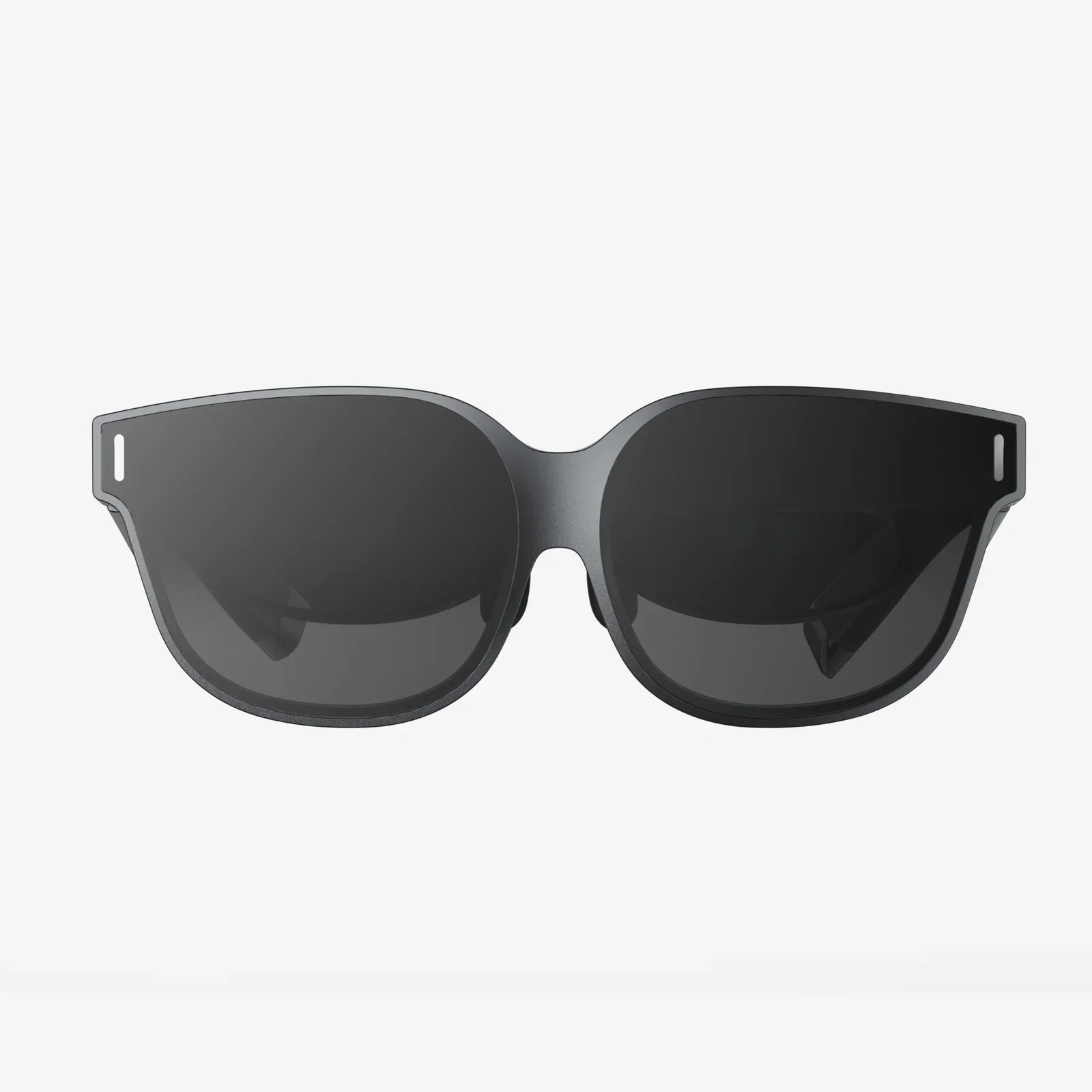
- by wangfred
What Is Wearable Tech - The Ultimate Guide to the Technology on You
- by wangfred
Imagine a world where your watch not only tells time but also warns you of an irregular heartbeat, your glasses overlay digital directions onto the real street in front of you, and your clothing analyzes your posture to prevent injury during a workout. This isn't a scene from a science fiction film; it's the reality of today, powered by the rapid and relentless evolution of wearable technology. From the earliest curiosity to a multi-billion dollar industry, wearable tech has woven itself into the fabric of our daily existence, promising to revolutionize how we live, work, and understand ourselves.
At its core, wearable technology, often abbreviated as "wearables," refers to electronic devices that are incorporated into items of clothing and accessories which can be comfortably worn on the body. These devices are equipped with sensors, software, and connectivity features that enable them to collect, analyze, and transmit data. The defining characteristic of a wearable is its seamless integration into the user's life, offering constant, hands-free access to information and functionality. Unlike a smartphone that must be pulled from a pocket, a wearable is always on and always connected, providing a more intimate and immediate interface with technology.
The concept of wearable technology is far older than most people realize. While the modern iteration feels cutting-edge, its roots stretch back decades.
In the 1960s, mathematicians Edward Thorp and Claude Shannon developed a miniature computer that could be concealed in a shoe to predict the outcome of a roulette wheel. While designed for a specific purpose, it demonstrated the potential of portable computation. The 1970s saw the introduction of the calculator watch, a novelty that captured the public's imagination by miniaturizing a useful tool onto a wearable platform. The true breakthrough for consumer wearables, however, came in the 1980s with the digital hearing aid and, more iconically, the Sony Walkman. While not wearable in the modern sensor-laden sense, the Walkman revolutionized personal audio and established the paradigm of carrying personalized technology on one's person.
The turn of the millennium marked a significant shift. The rise of public health awareness and a focus on quantified self-movement created a fertile ground for devices that could monitor activity. Early pedometers evolved into sophisticated wrist-worn devices that could track steps, distance, and calories burned. This era cemented the wearable's primary value proposition: personal data acquisition for health and wellness.
The launch and subsequent refinement of the modern smartwatch in the 2010s marked the maturation of the category. These devices were no longer single-purpose trackers; they became mini-computers for the wrist, capable of handling communication, entertainment, navigation, and an ever-expanding suite of health monitoring features like electrocardiograms (ECG) and blood oxygen saturation (SpO2) measurements. Today, the category has exploded to include smart rings, smart glasses, advanced hearables, and even smart textiles.
The magic of wearable tech is made possible by a sophisticated convergence of several core technologies.
Sensors are the eyes and ears of any wearable device. They are the components that gather raw data from the user and their environment.
Data is useless in isolation. Wearables leverage several wireless protocols to communicate with other devices, primarily a smartphone, and the cloud.
The greatest engineering challenge for wearables is power consumption. Devices must be small, lightweight, and yet last for days on a single charge. This has driven innovation in low-power processors, efficient displays, and sophisticated power management software. The quest for longer battery life is also pushing research into new areas like solar charging, kinetic energy harvesting (power from movement), and advanced battery chemistries.
The application of wearable technology has diversified immensely, leading to a rich ecosystem of devices tailored for specific needs.
This remains the largest and most popular category. Devices range from basic activity trackers to advanced health monitors capable of tracking sleep stages, measuring blood oxygen levels, detecting atrial fibrillation, and even estimating skin temperature. They empower individuals with data about their own bodies, encouraging proactive health management.
These are more than just wireless headphones. Modern hearables feature active noise cancellation (ANC), transparent modes to let in ambient sound, and increasingly sophisticated health features like hearing aid functionality and sensors that can detect head taps for controls. They are becoming a primary interface for voice assistants and immersive audio experiences.
The flagship of the wearable world, smartwatches are versatile hubs on the wrist. They consolidate notifications, fitness tracking, music control, navigation, and countless apps into a single, accessible device. They serve as a remote control for the digital aspects of our lives.
Technology is being woven directly into fabrics. Smart shirts can monitor heart and breathing rate during athletic training, while socks can analyze a runner's gait. Smart shoes can track steps and distance without a phone and even offer adaptive lacing or heating. This category represents the ultimate goal of invisible, seamless technology.
While currently dominated by gaming, AR and VR headsets represent the next frontier of wearable computing. They aim to either replace our reality with a digital one (VR) or overlay digital information onto our real-world view (AR), with profound implications for work, education, social interaction, and entertainment.
The proliferation of wearable tech is not without its significant implications and hurdles that society must address.
Wearables collect a vast amount of intensely personal data—where you go, how you sleep, your heart rate patterns, and even your blood oxygen levels. This creates a treasure trove for hackers and raises critical questions: Who owns this data? How is it being used? Could it be sold to insurers or employers? Robust data encryption and transparent privacy policies are non-negotiable for the industry's long-term viability and user trust.
While wearable sensors are impressive, they are not medical-grade devices. Readings for heart rate, SpO2, and ECG can be influenced by motion, skin tone, and device fit. Users must understand that these are tools for general wellness and awareness, not for diagnosing medical conditions. The industry is, however, working closely with regulatory bodies to improve accuracy and validate health features.
High-end wearables are expensive, potentially exacerbating health inequalities if the insights they provide become a prerequisite for optimal wellness. Furthermore, complex interfaces can alienate older users or those less technologically adept. Designing for inclusivity and affordability is a major challenge.
The trajectory of wearable technology points towards even greater integration, intelligence, and capability.
Future wearables are expected to move from monitoring to prediction and diagnosis. Research is underway on non-invasive sensors that can continuously monitor blood glucose levels, blood pressure, and even detect early signs of illness like the flu or COVID-19 through biomarkers in sweat or tears.
Perhaps the most futuristic frontier, BCIs aim to create a direct communication pathway between the brain and an external device. While currently in early stages, this technology could one day allow people to control prosthetics, computers, or even communicate telepathically through wearable headbands or other discreet devices.
The goal is for technology to fade into the background. Future wearables will work in concert with other smart devices in our environment—our homes, cars, and offices—to create an intelligent ecosystem that anticipates our needs and acts on our behalf without requiring constant direct input.
As the market grows, so does electronic waste. The next wave of innovation must focus on sustainable materials, modular designs for easy repair and upgrading, and the development of reliable energy-harvesting techniques to create devices that never need to be plugged in.
The journey of wearable technology is just beginning. We are moving from devices we wear to technology that is woven into our very being, offering unprecedented insights into our health, transforming how we interact with the world, and blurring the line between human and machine. The promise is a future of enhanced human potential, but it is a future we must shape carefully, with a keen eye on ethics, privacy, and accessibility. The technology on your wrist is merely a preview of the revolution to come.
Share:
VR Goggles: The Ultimate Portal to Unlocking New Realities and Transforming Your World
Heads Up Display Projector: The Future of Information at Eye Level