


- by wangfred
What Wearable Tech is Best: A Definitive Guide to Finding Your Perfect Match
- by wangfred
In a world buzzing with gadgets that promise to track your every step, monitor your sleep, and even answer calls from your wrist, the question isn't just about what's available—it's about what wearable tech is best for you. The perfect device isn't a one-size-fits-all miracle; it's a personal companion that seamlessly integrates into your life, understands your goals, and empowers you to become the best version of yourself. This definitive guide cuts through the marketing hype to help you navigate the intricate landscape of wearables, ensuring your next piece of tech isn't just advanced, but perfectly aligned with your unique needs.
Before diving into specifications and features, the most critical step is introspection. The 'best' wearable is entirely subjective, defined by your lifestyle, aspirations, and daily routines. A device perfect for a marathon runner might be overkill for someone seeking basic activity motivation.
Ask yourself these pivotal questions:
Aesthetics matter. A device is only effective if you're willing to wear it consistently. Do you prefer a classic watch look, a minimalist band, or a discreet, almost invisible tracker?
By honestly answering these questions, you create a personal blueprint. This blueprint will act as a filter, making the vast array of options manageable and guiding you toward the categories that truly deserve your attention.
The term 'wearable tech' encompasses a diverse family of devices, each with its own strengths and specializations. Understanding these categories is key to finding your match.
Fitness trackers are the workhorses of the wearable world. Designed for a specific purpose—monitoring activity and health metrics—they often forgo the expansive app ecosystems of their smarter cousins in favor of longer battery life, lighter form factors, and a sharper focus on data.
Ideal For: The fitness beginner, the data-driven minimalist, the battery-life seeker, and anyone whose primary goal is understanding their daily movement, sleep patterns, and heart rate.
Key Strengths:
Considerations: Typically feature smaller, less interactive screens. Notifications are often limited to previews rather than interactions. May lack built-in GPS, relying on a connected phone for pace and distance data during runs.
Smartwatches are miniature computers for your wrist. While they include robust fitness and health tracking, their defining characteristic is their deep integration with your digital life. They handle notifications, allow for app downloads, support contactless payments, and some can even make calls independently of your phone.
Ideal For: The connected professional, the tech enthusiast, the multi-sport athlete who wants a single device for everything, and those who value convenience and connectivity.
Key Strengths:
Considerations: Battery life is significantly shorter, often requiring a daily or every-other-day charge. Higher price point. Can feel bulky compared to slim fitness bands.
This category is dedicated to serious athletes and outdoor adventurers. These devices prioritize durability, precision, and advanced performance metrics over a sleek design or broad app support. They are tools built for a specific purpose.
Ideal For: Marathon runners, triathletes, hikers, climbers, sailors, and anyone who requires ruggedness and highly specific data like VO2 Max estimates, recovery advisors, altitude acclimation, and topographic maps.
Key Strengths:
Considerations: Can be very expensive. The user interface is often complex and geared towards athletes, which can be overwhelming for casual users. Aesthetic is typically sporty and rugged.
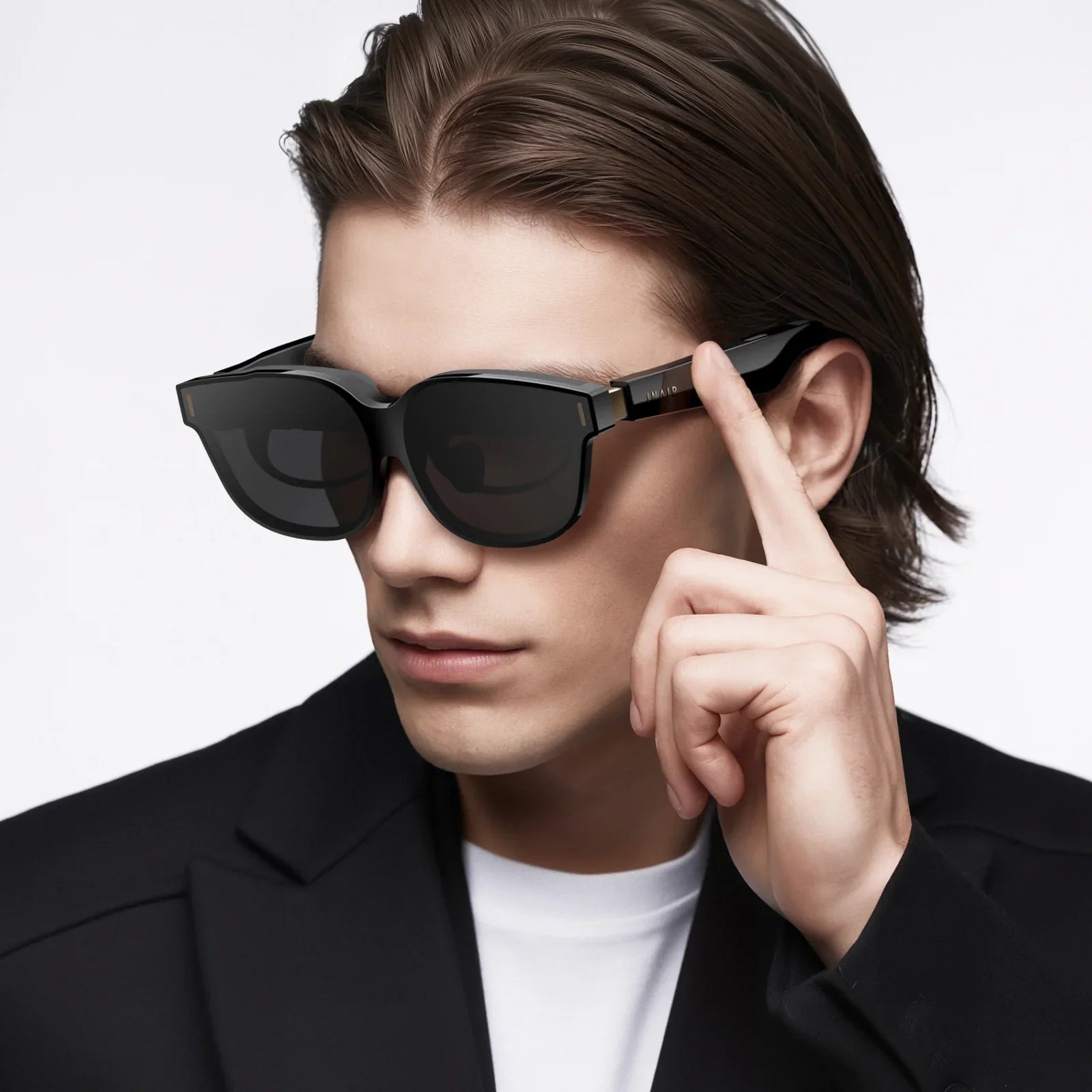
The innovation in wearables isn't confined to the wrist. Other form factors are emerging, offering unique advantages.
With your category narrowed, it's time to scrutinize the specs. Not all sensors are created equal, and some features are more valuable than others.
Battery life is a trade-off. Fitness trackers offer freedom from the charger for days. Full-featured smartwatches with always-on displays and cellular connectivity will likely need daily charging. Consider your tolerance for charging routines. If you plan to use your device for sleep tracking, a device that needs a nightly charge becomes inconvenient.
The hardware is only half the story. The accompanying app and its ecosystem are where your data comes to life.
You've done the research. Now, to make your final choice, run your top contenders through this definitive checklist:
The journey to find the best wearable tech is a personal one, a balance of hard data and subjective feel. It’s about finding the device that doesn’t feel like a piece of technology you have to manage, but rather a natural extension of yourself—a silent partner in your health, a convenient window to your digital world, and a tool that provides genuine insight without adding to life’s complexity. Forget about what’s marketed as the best; focus on what’s best for you, and you’ll unlock a world of potential right on your wrist.
Imagine a device that knows your body's rhythms better than you do, nudging you towards healthier habits before you even realize you need them. The future of wearable tech isn't just on the horizon; it's waiting for you to strap it on and start living a more informed, empowered, and connected life today. Your perfect match is out there—ready to turn every day into a opportunity for optimization and every night into a journey into restorative sleep.