


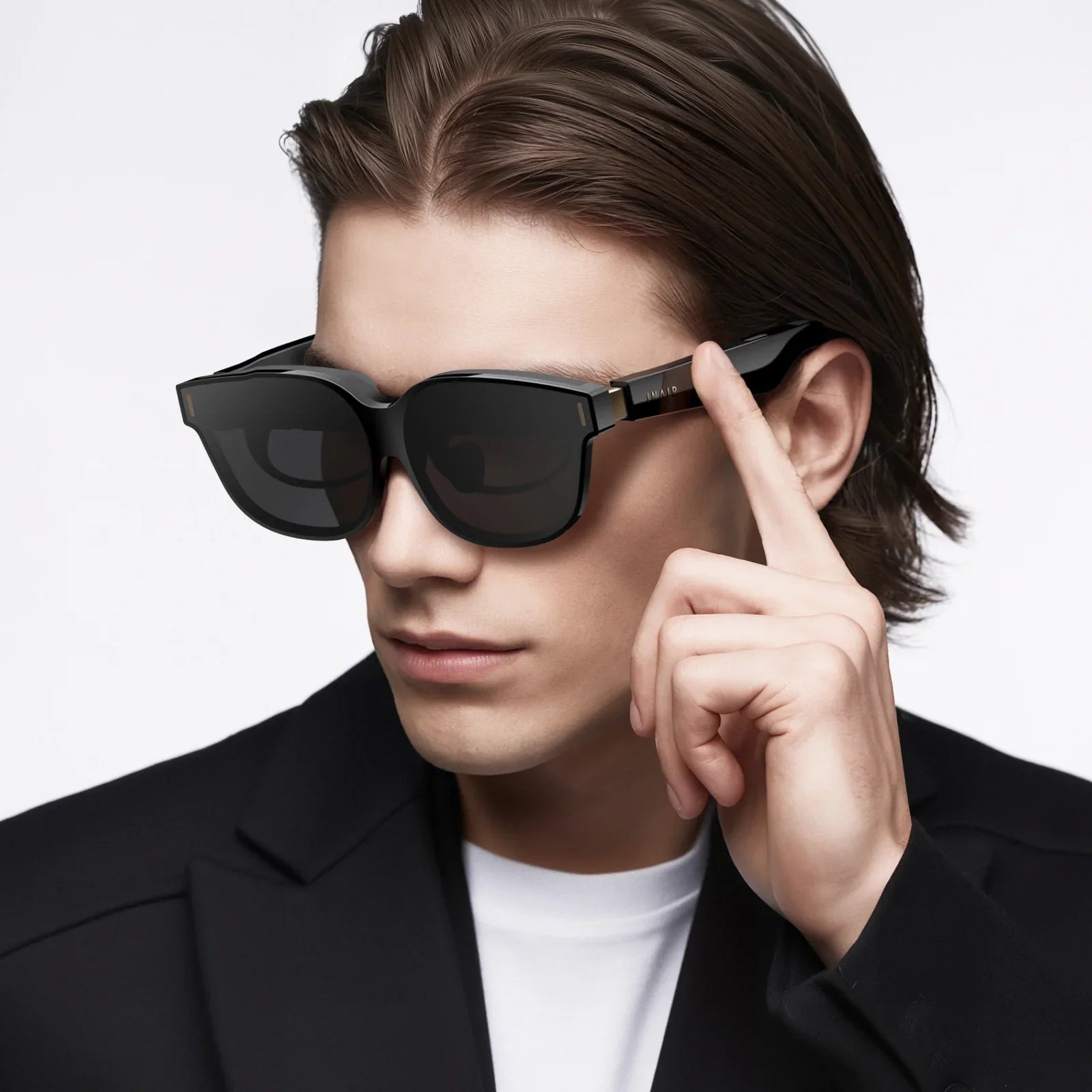
In a world buzzing with gadgets that promise to track your every step, monitor your sleep, and even answer calls from your wrist, the question isn't just about what's available—it's about what wearable tech is best for you. The perfect device isn't a one-size-fits-all miracle; it's a personal companion that seamlessly integrates into your life, understands your goals, and empowers you to become the best version of yourself. This definitive guide cuts through the marketing hype to help you navigate the intricate landscape of wearables, ensuring your next piece of tech isn't just advanced, but perfectly aligned with your unique needs.
Decoding Your Needs: The Foundation of Choice
Before diving into specifications and features, the most critical step is introspection. The 'best' wearable is entirely subjective, defined by your lifestyle, aspirations, and daily routines. A device perfect for a marathon runner might be overkill for someone seeking basic activity motivation.
Ask yourself these pivotal questions:
- What is your primary goal? Are you aiming for general fitness, training for a specific event, managing a health condition, or simply wanting to be more mindful of your daily activity?
- What is your ecosystem? The smartphone you use can significantly influence your choice, as compatibility and feature sets often vary between major operating systems.
- What's your style?
Aesthetics matter. A device is only effective if you're willing to wear it consistently. Do you prefer a classic watch look, a minimalist band, or a discreet, almost invisible tracker?
- What's your budget? Wearables range from affordable basic trackers to premium, high-end smartwatches with cellular capabilities. Establishing a budget early on helps narrow the field considerably.
By honestly answering these questions, you create a personal blueprint. This blueprint will act as a filter, making the vast array of options manageable and guiding you toward the categories that truly deserve your attention.
The Contenders: A Deep Dive into Wearable Categories
The term 'wearable tech' encompasses a diverse family of devices, each with its own strengths and specializations. Understanding these categories is key to finding your match.
Fitness Trackers: The Focused Motivators
Fitness trackers are the workhorses of the wearable world. Designed for a specific purpose—monitoring activity and health metrics—they often forgo the expansive app ecosystems of their smarter cousins in favor of longer battery life, lighter form factors, and a sharper focus on data.
Ideal For: The fitness beginner, the data-driven minimalist, the battery-life seeker, and anyone whose primary goal is understanding their daily movement, sleep patterns, and heart rate.
Key Strengths:
- Superior Battery Life: Often lasting a week or more on a single charge.
- Lightweight and Discreet: Designed for 24/7 wear, including during sleep.
- Focused Health Metrics: Excellent at tracking steps, distance, calories burned, sleep stages, and heart rate (HR). Many now include SpO2 (blood oxygen) monitoring.
- Affordability: Generally positioned at a lower price point than full smartwatches.
Considerations: Typically feature smaller, less interactive screens. Notifications are often limited to previews rather than interactions. May lack built-in GPS, relying on a connected phone for pace and distance data during runs.
Smartwatches: The Connected Command Centers
Smartwatches are miniature computers for your wrist. While they include robust fitness and health tracking, their defining characteristic is their deep integration with your digital life. They handle notifications, allow for app downloads, support contactless payments, and some can even make calls independently of your phone.
Ideal For: The connected professional, the tech enthusiast, the multi-sport athlete who wants a single device for everything, and those who value convenience and connectivity.
Key Strengths:
- Comprehensive Connectivity: Receive, read, and respond to messages and emails directly from your wrist.
- Expansive App Ecosystem: Download apps for navigation, music streaming, productivity, and more.
- Advanced Features: Often include built-in GPS, cellular connectivity, voice assistants, and NFC for payments.
- High-Resolution Displays: Vibrant, always-on screens that are easy to read in direct sunlight.
Considerations: Battery life is significantly shorter, often requiring a daily or every-other-day charge. Higher price point. Can feel bulky compared to slim fitness bands.
Specialist Watches: The Performance Powerhouses
This category is dedicated to serious athletes and outdoor adventurers. These devices prioritize durability, precision, and advanced performance metrics over a sleek design or broad app support. They are tools built for a specific purpose.
Ideal For: Marathon runners, triathletes, hikers, climbers, sailors, and anyone who requires ruggedness and highly specific data like VO2 Max estimates, recovery advisors, altitude acclimation, and topographic maps.
Key Strengths:
- Unmatched Durability: Built to military standards to withstand extreme temperatures, shock, and water pressure.
- Precision Sensors: Multi-frequency GPS for accurate tracking in challenging environments like cities with tall buildings or dense forests.
- In-Depth Athletic Metrics: Provide data on training load, effect, recovery, and performance condition.
- Long Battery Life in GPS Mode: Critical for long-duration activities like ultramarathons or multi-day hikes.
Considerations: Can be very expensive. The user interface is often complex and geared towards athletes, which can be overwhelming for casual users. Aesthetic is typically sporty and rugged.
Beyond the Wrist: Other Forms of Wearable Tech
The innovation in wearables isn't confined to the wrist. Other form factors are emerging, offering unique advantages.
- Smart Rings: The epitome of discreet tracking. These tiny rings monitor sleep, activity, and heart rate with impressive accuracy. Their all-day comfort makes them exceptional for sleep analysis, as there's no bulky watch to wear to bed.
- Smart Clothing: Shirts, socks, and sports bras with sensors woven directly into the fabric. This allows for biomechanical data collection, like running form and muscle activity, that a wrist-based device cannot capture.
- Smart Glasses: While still evolving, this category aims to project information directly into your field of view, offering hands-free navigation, call answering, and audio playback.
The Heart of the Matter: Evaluating Key Features and Sensors
With your category narrowed, it's time to scrutinize the specs. Not all sensors are created equal, and some features are more valuable than others.
Health and Fitness Sensors: The Data Engine
- Optical Heart Rate Monitor: Standard on virtually all wearables. Uses LED lights to detect blood flow. Good for resting HR and cardio workout zones, but can struggle with high-intensity interval training where wrist movement is erratic.
- Electrocardiogram (ECG/EKG): A more clinical-grade sensor that measures the electrical activity of your heart. It can help identify signs of atrial fibrillation (AFib). Typically found on higher-end devices.
- Blood Oxygen Saturation (SpO2): Measures the oxygen level in your blood. Useful for assessing overall wellness, sleep apnea screening, and understanding acclimation to altitude.
- Skin Temperature Sensor: Tracks changes in your baseline temperature, which can be used to estimate ovulation cycles, detect the onset of illness, or understand sleep quality.
- GPS and GNSS: Essential for mapping outdoor workouts (running, cycling, hiking). Built-in GPS is a major advantage over phone-connected GPS for accuracy and convenience. Look for multi-band support for superior accuracy in tricky locations.
Battery Life: The Freedom Factor
Battery life is a trade-off. Fitness trackers offer freedom from the charger for days. Full-featured smartwatches with always-on displays and cellular connectivity will likely need daily charging. Consider your tolerance for charging routines. If you plan to use your device for sleep tracking, a device that needs a nightly charge becomes inconvenient.
Software and Ecosystem: The Brain and The Community
The hardware is only half the story. The accompanying app and its ecosystem are where your data comes to life.
- App Design and Insights: Is the data presented in a clear, actionable way? Does the app offer meaningful insights, trends, and coaching, or is it just a repository of numbers?
- Third-Party App Integration: Can the data sync seamlessly with other health and fitness apps you use? This is crucial for a holistic view of your health data.
- Subscription Models: Be aware that some manufacturers lock advanced analytics and coaching features behind a monthly or annual subscription fee, which adds to the total cost of ownership.
Making Your Decision: The Final Checklist
You've done the research. Now, to make your final choice, run your top contenders through this definitive checklist:
- Goal Alignment: Does it excel at tracking the activities most important to you?
- Ecosystem Compatibility: Does it work flawlessly with your smartphone?
- Design and Comfort: Can you see yourself wearing it all day, every day, and to bed?
- Battery Life: Does its battery performance match your lifestyle and charging habits?
- Feature Set: Does it have the specific sensors you need (e.g., built-in GPS, ECG)?
- Budget: Does the total cost, including any potential subscriptions, fit your budget?
- Reviews: What are real-world users saying about its accuracy, durability, and software experience?
The journey to find the best wearable tech is a personal one, a balance of hard data and subjective feel. It’s about finding the device that doesn’t feel like a piece of technology you have to manage, but rather a natural extension of yourself—a silent partner in your health, a convenient window to your digital world, and a tool that provides genuine insight without adding to life’s complexity. Forget about what’s marketed as the best; focus on what’s best for you, and you’ll unlock a world of potential right on your wrist.
Imagine a device that knows your body's rhythms better than you do, nudging you towards healthier habits before you even realize you need them. The future of wearable tech isn't just on the horizon; it's waiting for you to strap it on and start living a more informed, empowered, and connected life today. Your perfect match is out there—ready to turn every day into a opportunity for optimization and every night into a journey into restorative sleep.
Share:
iOS VR Goggles: Unlocking a New Dimension of Mobile Immersion
iOS VR Goggles: Unlocking a New Dimension of Mobile Immersion