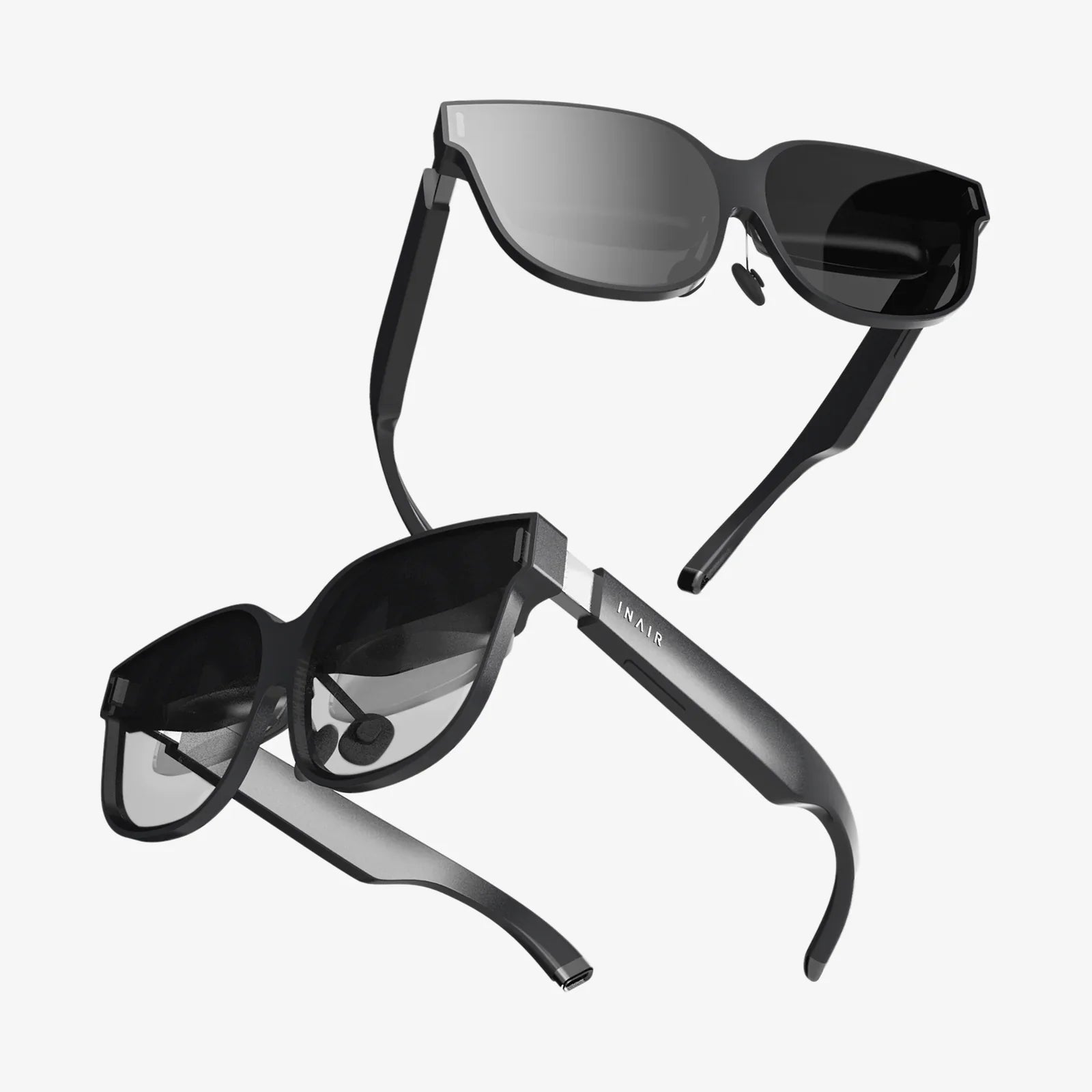
Imagine a world where your home anticipates your needs, your health is monitored in real-time, and your environment adapts to you seamlessly. This isn't a scene from a science fiction movie; it's the reality being built around us, one smart device at a time. The term is ubiquitous, but the question remains for many: what's a smart device, truly? It's more than just a gadget you can talk to; it's the fundamental building block of a technological revolution quietly integrating into the fabric of our daily existence, promising unparalleled convenience, efficiency, and control.
Defining Intelligence: Beyond Basic Functionality
At its most fundamental level, a smart device is an electronic gadget that can connect, share, and interact with its user and other devices wirelessly, typically via protocols like Wi-Fi, Bluetooth, or Zigbee. But connectivity alone doesn't bestow intelligence. The true differentiator is a combination of key attributes that elevate it above a simple, standalone appliance.
First and foremost is processing power. A smart device contains a microprocessor, granting it the ability to compute data. This is the brain that allows it to execute commands, run applications, and make decisions. Second is connectivity, as mentioned, which is the nervous system linking it to the wider digital world—primarily the internet. This connection is what enables remote control and access to cloud-based intelligence.
The third pillar is sensors. These are the eyes and ears of the device. From thermostats with temperature and humidity sensors to fitness trackers with accelerometers and heart rate monitors, sensors are how the device perceives its environment and gathers data. Finally, there is actuation—the ability to perform a physical action. A smart lock can actuate its bolt, a smart plug can actuate the flow of electricity, and a robot vacuum can actuate its movement. The combination of these elements—processing, connectivity, sensing, and actuation—creates a feedback loop of data and action that defines a device as "smart."
The Invisible Engine: How Smart Devices Actually Work
The magic of a smart device is not contained solely within its physical shell. Its operation is a sophisticated dance between the hardware in your hand or home and vast, remote computing power.
The Hardware Trio
Every smart device is built upon a core hardware foundation:
-
The Processor (CPU): The central brain that executes instructions from the operating system and applications.
-
The Connectivity Module: A dedicated chip (like a Wi-Fi or Bluetooth module) that handles all communication.
-
Sensors and Actuators: The components that interact with the physical world, from simple buttons and LEDs to complex LiDAR scanners and motorized mechanisms.
The Software Symphony
Hardware is useless without software to command it. This exists in three key layers:
-
Firmware: This is the low-level software permanently programmed into the device's memory. It provides the basic control instructions for the specific hardware, telling the processor how to communicate with the sensors and actuators.
-
Operating System (OS): Many sophisticated smart devices run a lightweight, streamlined OS (often a variant of Linux or a real-time operating system). This manages the device's resources and provides a platform for higher-level applications to run.
-
Applications and Cloud Integration: This is the layer the user interacts with. Your command to a voice assistant is processed by an app on your phone, which sends a request to a massive cloud server. The server's powerful algorithms interpret the command and send an instruction back to the device to execute the action. This offloading of complex processing is why even a small device can perform seemingly intelligent tasks.
The Role of the Cloud and AI
The cloud is the true powerhouse behind the smart device ecosystem. It provides several critical functions:
-
Data Storage: The immense amount of data generated by sensors is stored and aggregated in the cloud.
-
Heavy Computation: Complex tasks like parsing natural language, recognizing faces in a video feed, or analyzing sleep patterns are performed by powerful cloud servers, not the limited processor in the device itself.
-
Machine Learning and AI: This is where devices become genuinely adaptive. By analyzing aggregated data from millions of users, cloud-based algorithms can learn patterns and improve functionality. A smart thermostat, for example, learns your schedule and preferences over time to optimize heating and cooling automatically.
A Universe of Devices: Categories and Examples
The spectrum of smart devices is vast and ever-expanding, infiltrating nearly every aspect of modern life. They can be broadly categorized by their primary domain of use.
Smart Home: The Connected Habitat
This is the most prominent category for consumers, focused on automating, securing, and enhancing the living space.
-
Hub Devices: Smart speakers and displays that often serve as a central control point using voice commands.
-
Climate and Energy: Smart thermostats, plugs, and lighting systems that learn habits and optimize for comfort and efficiency, reducing energy bills.
-
Security and Monitoring: A wide array including video doorbells, security cameras, smart locks, and leak sensors that provide remote monitoring and alerts, offering peace of mind.
-
Appliances: Refrigerators that can track expiration dates, ovens that can be preheated remotely, and vacuums that map and clean a home autonomously.
Wearables: Intelligence on the Go
These devices are worn on the body, collecting biometric and activity data to provide personalized insights.
-
Health and Fitness Trackers: Devices that monitor steps, heart rate, sleep quality, and specific workout metrics, motivating users towards healthier lifestyles.
-
Smartwatches: Extending the functionality of a fitness tracker with smartphone notifications, calls, and apps, all accessible from the wrist.
-
Advanced Medical Devices: FDA-approved devices like continuous glucose monitors (CGMs) and smart EpiPens that manage critical health conditions and can share data directly with healthcare providers.
Beyond the Home: Smart Cities and Industry
The smart device revolution extends far beyond consumer products.
-
Urban Infrastructure: Smart traffic lights that optimize flow based on real-time congestion, smart streetlights that dim when no one is present, and environmental sensors that monitor air quality across a city.
-
Retail and Logistics: Smart inventory tags that track products through a supply chain, and beacons that send personalized offers to shoppers' phones inside a store.
-
Industrial IoT (IIoT): Sensors on manufacturing equipment that predict maintenance needs before a breakdown occurs, optimizing uptime and safety.
The Double-Edged Sword: Weighing the Benefits and Challenges
The adoption of smart technology brings a host of compelling advantages, but it also introduces significant challenges that users must consciously navigate.
The Bright Side: Convenience, Efficiency, and Empowerment
-
Unprecedented Convenience: The ability to control your environment with your voice or a tap on your phone is transformative. Preheating the oven while grocery shopping or unlocking the door for a guest while you're at work are simple acts that add up to a significant quality-of-life improvement.
-
Enhanced Efficiency and Savings: Smart energy devices can lead to substantial reductions in utility bills by eliminating waste. Similarly, smart irrigation systems water lawns only when needed, conserving water.
-
Improved Safety and Security: Real-time alerts for smoke, break-ins, or water leaks allow for immediate response, potentially preventing disaster. Wearables with fall detection or emergency SOS features can be lifesavers.
- Personalized Health Insights:
Wearables provide a wealth of data that was previously inaccessible outside a clinical setting, empowering individuals to take a more proactive role in their own wellness.
The Flip Side: Security, Privacy, and Complexity
-
The Security Threat: Every connected device is a potential entry point for malicious actors. Insecure devices can be hijacked into botnets, used to spy on households, or serve as a backdoor into more sensitive home networks. The responsibility often falls on the user to keep firmware updated and use strong, unique passwords.
-
The Privacy Paradox: Smart devices are, by their nature, data collection engines. The line between useful data collection and intrusive surveillance is thin. Users must trust companies to handle their personal information—from voice recordings to daily routines—responsibly, a trust that has been breached numerous times.
-
Interoperability and Fragmentation: The market is flooded with devices that often don't communicate well with each other, locked into different ecosystems and requiring multiple apps to control. This can lead to a frustrating and complex user experience, the opposite of the promised simplicity.
-
E-Waste and Sustainability: The rapid pace of innovation and the tendency for companies to discontinue support for older devices contribute to the growing global problem of electronic waste.
Navigating the Smart Future Responsibly
Adopting smart technology doesn't have to be an all-or-nothing proposition. Being an informed consumer is key to reaping the benefits while mitigating the risks.
Start by scrutinizing a device's security features before purchase. Does it require a strong password? Does the manufacturer have a good track record of issuing regular security updates? During setup, always change default passwords and enable multi-factor authentication where available. Segment your network using a guest Wi-Fi option for your smart devices, isolating them from your primary computers and phones that hold your most sensitive data.
Be mindful of privacy settings. Regularly review the permissions granted to device apps and disable any data collection that feels unnecessary. Consider muting microphones or covering cameras on devices when not in active use. Most importantly, understand that these devices are a convenience, not a necessity. Choose them deliberately to solve specific problems, not merely for the novelty, and be aware of the trade-off you are making between convenience and data.
The trajectory is clear: connectivity will become even more deeply embedded in the objects around us. The future points towards greater context-awareness, where devices will anticipate needs without explicit commands, and a move towards true interoperability, where devices from different manufacturers work together harmoniously in an open ecosystem. The next frontier involves edge computing, where more AI processing is done on the device itself rather than in the cloud, speeding up response times and enhancing privacy. Furthermore, the integration of these technologies is paving the way for truly autonomous systems, from self-driving cars that are essentially smart devices on wheels to smart grids that manage entire national energy systems with unparalleled efficiency.
You are already living in the age of smart devices, whether you've fully embraced it or not. They represent a powerful convergence of connectivity, data, and automation, offering a glimpse into a future of seamless interaction with our environment. The potential to save time, money, and even lives is immense. But this power comes with a responsibility—to understand what you're inviting into your home, to secure it, and to consciously decide where the line between helpful and intrusive lies for you. The connected life is here; the power to shape it into a force for good, convenience, and security is now in your hands.