


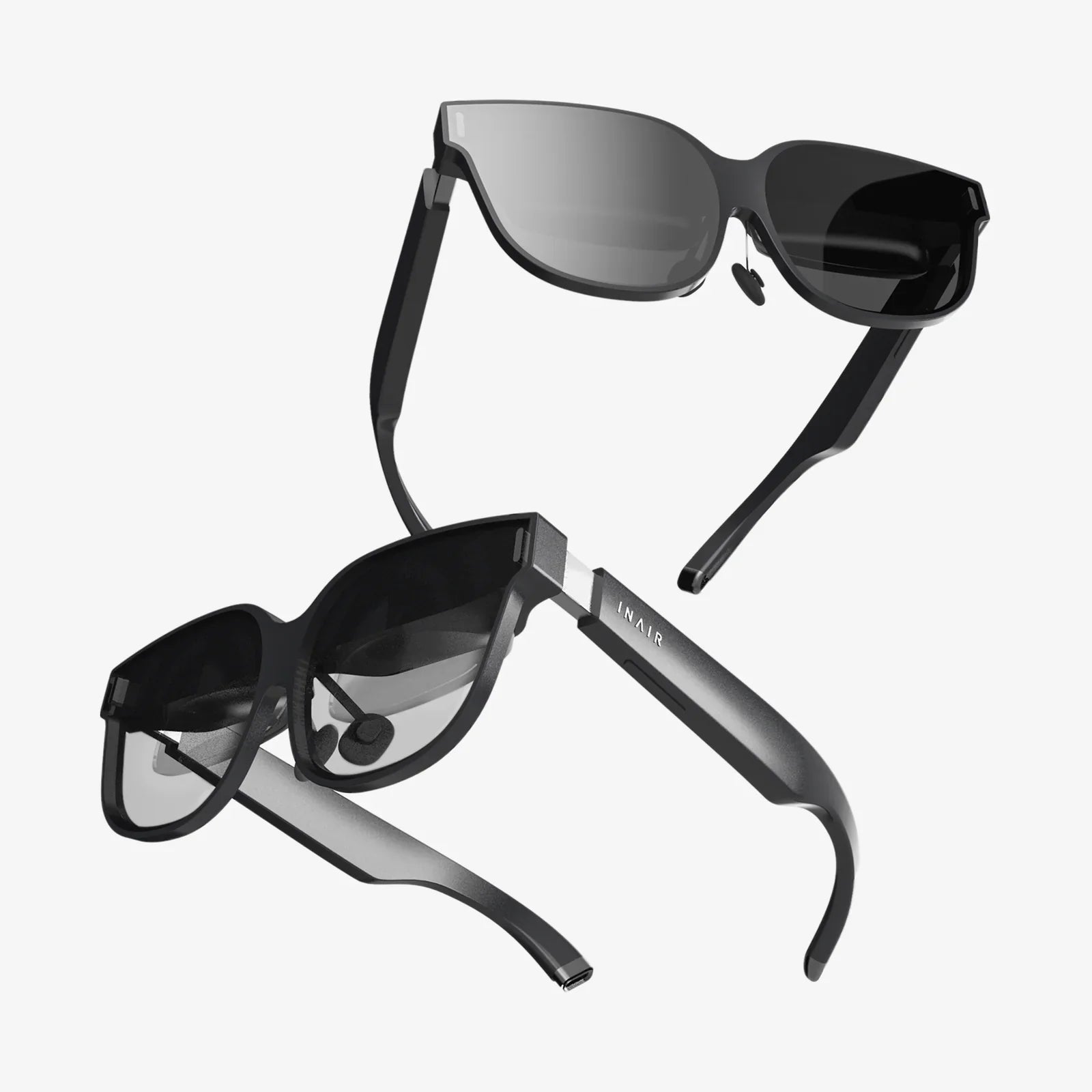
Imagine slipping on a device so light, so clear, and so intuitive that the real world simply melts away, replaced by a digital realm limited only by imagination. This is the promise of virtual reality in 2025, a year where the technology has transcended niche hobbyism to offer truly compelling experiences for work, play, and connection. The question on everyone's mind isn't if you should join this revolution, but how to choose the gateway that's right for you. The market is more diverse and advanced than ever, making the search for the ultimate experience both exciting and daunting.
The New Benchmarks: Defining "Best" in 2025
Gone are the days when resolution was the sole differentiator. In 2025, "best" is a multifaceted term, entirely dependent on the user's priorities. We must evaluate these devices across a new set of criteria that reflect the maturity of the technology.
Visual Fidelity: The Pursuit of Retina-Quality Immersion
The screen door effect—once a glaring reminder of VR's infancy—is now a distant memory for high-end devices. The battle in 2025 is for pixel-perfect clarity.
- Resolution & PPD: We've moved beyond quoting raw panel resolution (e.g., 4K per eye). The gold standard is now Pixels Per Degree (PPD), which factors in the field of view. In 2025, anything below 30 PPD feels outdated, with premium headsets pushing 40+ PPD, approaching the perceived sharpness of a high-quality monitor.
- Micro-OLED & Mini-LED Dominance: These display technologies have become the norm. Micro-OLED offers perfect blacks, incredible contrast ratios, and vibrant colors, making them ideal for immersive gaming and cinematic experiences. Mini-LED panels provide superior brightness and high dynamic range (HDR), crucial for mixed reality applications where digital objects must hold their own against real-world sunlight.
- Varifocal Lens Systems: A breakthrough in consumer hardware, these lenses dynamically adjust their focus based on where your eyes are looking. This solves the vergence-accommodation conflict, a primary source of eye strain and the "unreal" feeling in earlier VR. It’s a game-changer for comfort during long sessions.
Form Factor & Comfort: The Invisible Computer
If you have to be tethered to a powerful desktop computer, you haven't experienced 2025's best. The industry-wide shift is toward all-in-one (AIO) systems with onboard processing that rivals last generation's external powerhouses.
- Weight Distribution: The best headsets are under 500 grams and use advanced materials and counter-balancing battery designs to distribute weight evenly. Wearing one for hours should feel no more burdensome than a pair of ski goggles.
- Standalone Power: Thanks to custom chipsets designed specifically for spatial computing, today's AIO devices can run complex environments and detailed graphics natively. The freedom to move untethered is no longer a compromise on performance.
Input & Interaction: Beyond the Controller
How we interact with virtual worlds has evolved dramatically. While premium motion controllers remain highly precise with advanced haptic feedback, the most significant innovation is the move toward direct neural input.
- Eye & Hand Tracking: Once a premium add-on, sophisticated eye-tracking is now standard. It enables Foveated Rendering (drastically boosting performance by rendering only where you're looking), intuitive menu navigation, and more expressive avatars. Similarly, robust hand-tracking allows you to leave the controllers behind for social and productivity apps, using natural gestures to manipulate the digital world.
- Emerging Neural Interfaces: The most cutting-edge headsets of 2025 are beginning to incorporate non-invasive Electroencephalogram (EEG) sensors. These can read basic neural signals, allowing for interactions like dismissing a notification with a thought or controlling intensity in a meditation app through measured focus. This is the first step toward a truly seamless mind-machine interface.
The Mixed Reality Mandate
Virtual reality is no longer just about escapism. The line between the digital and physical has blurred irrevocably. A top-tier headset in 2025 must excel at Mixed Reality (MR).
- High-Fidelity Passthrough: Black-and-white, grainy passthrough video is obsolete. Modern headsets use full-color, high-resolution cameras that provide a near-real-time view of your surroundings. The goal is to make digital objects feel like they are truly sitting on your coffee table.
- Scene Understanding: The headset doesn't just see the world; it understands it. It can dynamically map rooms, identify surfaces (walls, tables, ceilings), and recognize objects. This allows apps to anchor content persistently and interact with your physical space intelligently.
Breaking Down the 2025 Contenders by Use Case
With these benchmarks in mind, let's categorize the frontrunners of 2025 not by brand, but by the experience they deliver.
The Ultimate All-Rounder
This category is for the device that does everything well. It's the recommended choice for most users who want a single headset for gaming, fitness, socializing, and productivity.
- Key Features: Standalone power with optional PC tethering for maximum fidelity, excellent pancake lenses for a clear edge-to-edge picture, best-in-class hand and eye tracking, and comfortable, balanced design.
- Ideal For: The enthusiast who doesn't want to compromise. It plays the latest graphically intensive games natively but can also connect to a computer for simulation titles. Its MR capabilities are strong enough for virtual monitors and creative design work.
- The Trade-Off: This device commands a premium price, representing the peak of consumer-focused technology without venturing into professional-grade pricing.
The Pure Performance Powerhouse
This headset is designed for one thing: delivering the most visually stunning, high-frame-rate, graphically intensive virtual reality experience possible. It is built for the hardcore gamer and simulation enthusiast.
- Key Features: Often tethered to a high-end computer, it features the absolute highest resolution displays and widest field of view available to consumers. It may forgo a standalone mode entirely to dedicate its design to minimizing latency and maximizing visual immersion.
- Ideal For: The user who owns a top-tier graphics card and values visual fidelity above all else. This is for flying digital fighter jets, racing hypercars, and exploring photorealistic virtual worlds.
- The Trade-Off: It's the heaviest and least mobile option, often requiring a cable connection. It's also the most expensive ecosystem to enter, considering the need for a powerful computer.
The Productivity & Social Catalyst
This category prioritizes clarity, comfort for long wear, and advanced MR features for replacing monitors and enhancing collaboration.
- Key Features: Unmatched pixel density (PPD) for reading text, revolutionary varifocal lenses for all-day comfort, and industry-leading passthrough MR. The design is ultra-lightweight, often resembling large glasses rather than a full goggles setup.
- Ideal For: The professional who uses virtual screens for coding, design, or financial modeling, or the person who spends hours in social spaces and meetings and needs a device that feels invisible.
- The Trade-Off: Its graphical processing power for native gaming may be less robust than the all-rounder, as its chipset is optimized for resolution and productivity tasks over gaming performance.
The Accessible Gateway
This headset proves that compelling VR doesn't have to cost a fortune. It brings core experiences to a much wider audience.
- Key Features: A solid standalone experience with a capable processor, good inside-out tracking, and a comfortable, simple design. It focuses on a curated app store of popular games and social apps.
- Ideal For: First-time users, families, or anyone on a budget who still wants to enjoy the magic of VR and MR. It's the device that gets the next ten million people into the medium.
- The Trade-Off: It uses last generation's display technology (e.g., LCD instead of Micro-OLED), has a lower resolution, and may lack advanced features like eye-tracking or high-end passthrough.
Looking Beyond the Hardware: The Ecosystem is King
In 2025, the hardware is only half the story. The best headset is useless without a vibrant ecosystem to support it.
- Software Library: Does the platform have the apps and games you want to use? Examine the exclusive titles and the strength of its MR app store.
- Social Graph: Are your friends on this platform? The value of a social or collaborative platform is directly tied to the people you can connect with there.
- Development Support: A healthy platform is actively supported by developers. Look for a steady stream of new and updated applications.
- Avatar System: In an increasingly social metaverse, does the platform offer a expressive, cross-app avatar that truly represents you?
Future-Proofing Your Purchase
VR technology is advancing rapidly. While you can't stop obsolescence, you can make a smarter choice.
- Backward Compatibility: Does the new headset support the library of software you may already own from previous generations?
- Modularity: Some headsets are exploring modular designs, allowing you to upgrade components like the battery pack or even the core processing unit down the line.
- Open vs. Closed Gardens: Some platforms are walled gardens, while others are more open, allowing for side-loaded applications and greater user control. Your preference for curation versus freedom will guide you.
The quest for the single "best" VR headset of 2025 is a personal journey, not a universal verdict. It’s about aligning groundbreaking technology with your individual reality—whether you seek unparalleled gaming adventures, a redefinition of your workspace, or deeper social connections in virtual spaces. The perfect device is the one that disappears on your face, captivating your senses and expanding your possibilities, making you forget you’re even wearing it until the real world calls you back.
Share:
What Is The Best VR Headset For iPhone: A Deep Dive Into Mobile Immersion
Best VR Headset for iPhone 5s: A Nostalgic Dive into Mobile Virtual Reality