


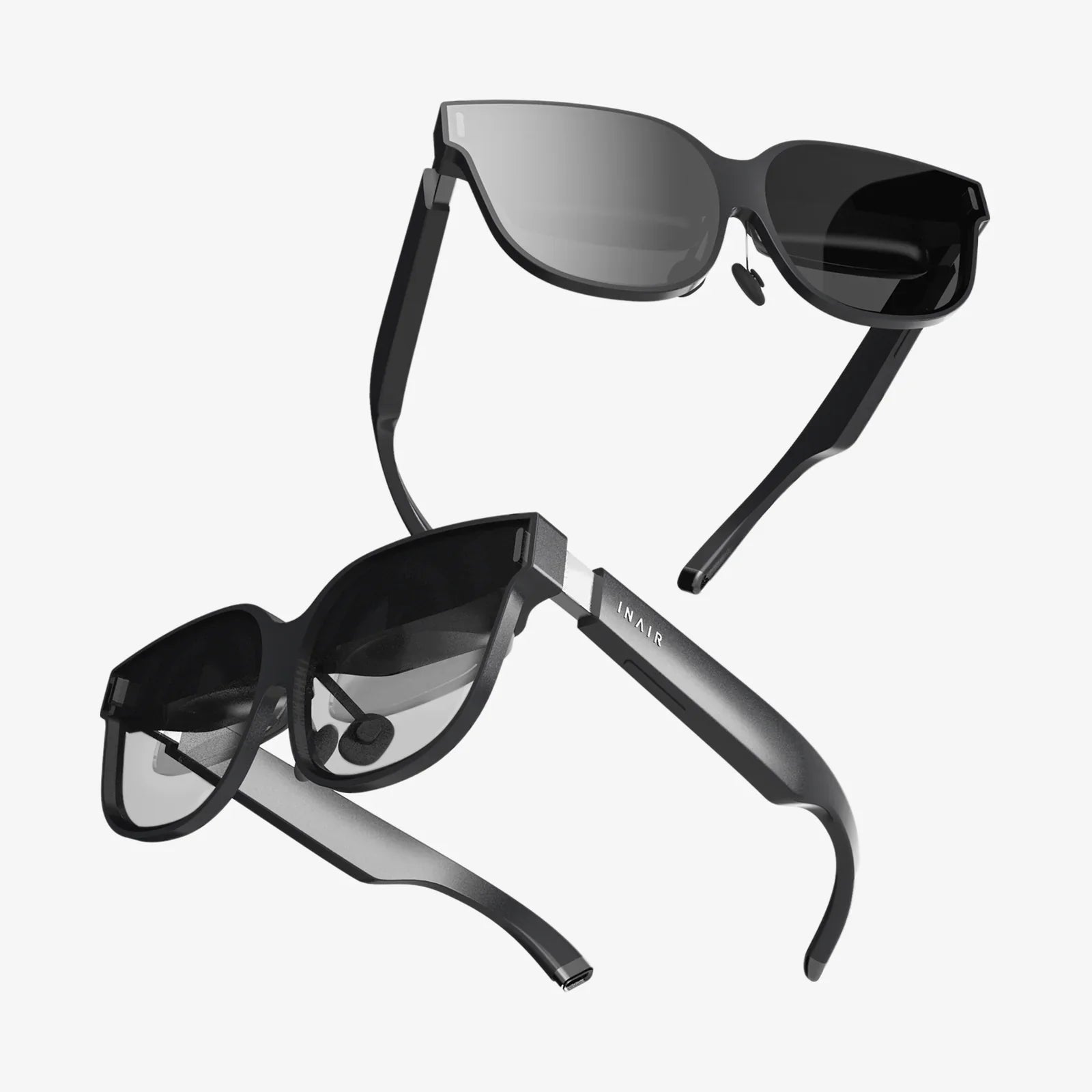
You've decided to take the plunge into the immersive worlds of virtual reality, but a single, daunting question halts your journey at the starting line: what's the best VR headset to get? The answer, you'll quickly discover, is far from simple. It’s a vibrant, complex, and rapidly evolving ecosystem where the "best" headset is a deeply personal choice, a perfect alignment of your budget, your gaming PC or console, the physical space in your room, and the experiences you dream of having. This isn't about crowning a single champion; it's your guided tour through the key decision points to uncover the headset that will become your gateway to new realities.
Beyond the Hype: Defining "Best" for You
Before we dissect specifications and features, the most critical step is introspection. The best headset for a competitive esports player is a terrible choice for a creative professional, which in turn is ill-suited for a family looking for casual fun. Ask yourself these foundational questions:
- What is your primary use case? Are you aiming for hardcore PC gaming, standalone mobile experiences, fitness applications, professional design and visualization, or simply consuming media?
- What is your budget? This extends beyond the headset itself. Do you have a powerful gaming PC to drive a high-end device, or does your budget require a standalone, all-in-one unit? Remember to account for potential accessory costs like additional face interfaces, prescription lens inserts, and software.
- What is your technical tolerance? Are you comfortable with external sensors, desktop software, and potential troubleshooting, or do you crave the plug-and-play simplicity of a console-like experience?
- Who is the user? Is this solely for you, or will you be sharing it with family and friends? Considerations like IPD (Interpupillary Distance) adjustment and ease of use become paramount in multi-user households.
The Core Technologies: Understanding the Spec Sheet
To make an informed decision, you need to speak the language of VR. These are the fundamental components that define the quality of your experience.
Display and Lenses: Your Window to the Virtual World
The visual fidelity of a headset is governed by its display and lens combination. Key metrics include:
- Resolution and PPD: While manufacturers tout total resolution (e.g., 1920x1832 per eye), a more accurate measure is Pixels Per Degree (PPD), which accounts for the field of view. A higher PPD means a sharper, clearer image with less noticeable "screen door effect" (the visible gaps between pixels).
- Refresh Rate: Measured in Hertz (Hz), this dictates how smoothly the image updates. Standard rates are 72Hz, 90Hz, and 120Hz, with some headsets pushing to 144Hz. A higher rate reduces motion blur and is critical for comfort in fast-paced games.
- Lens Technology: Fresnel lenses are common but can cause god rays and glare. Aspherical and pancake lenses are newer advancements that offer a much larger "sweet spot" (area of clarity), better edge-to-edge sharpness, and allow for a more compact headset design.
- Field of View (FoV): This is the extent of the observable world seen at any given moment, measured diagonally. A wider FoV (110°+) is more immersive but often comes at a higher cost and computational demand.
Tracking Systems: How the World Follows Your Move
How does the headset know where you are and what you're doing? There are two primary methods:
- Inside-Out Tracking: Cameras on the headset itself observe the real world to track its position and the controllers. This is the standard for modern standalone and PC-connected headsets. It's incredibly convenient, requiring no external hardware setup, but can struggle with controller tracking directly above, below, or behind the headset.
- Outside-In Tracking (or Lighthouse): External sensors or base stations placed around the room emit signals that are picked up by sensors on the headset and controllers. This method is renowned for its millimeter-accurate, rock-solid tracking, especially crucial for competitive play and full-body tracking. The trade-off is a more complex setup with wires running to the sensors.
Processing Power: Standalone vs. Tethered vs. Console
This is the great divide in the VR market, fundamentally shaping your experience and library.
- Standalone Headsets: These are all-in-one devices with a mobile processor, battery, and compute unit built directly into the headset. They are completely wireless and offer unparalleled freedom and ease of use. The graphical fidelity, however, is comparable to a mobile device and cannot match the raw power of a gaming PC.
- PC-Connected (Tethered) Headsets: These act as high-resolution displays. The heavy lifting is done by your desktop computer, allowing for breathtaking, photorealistic graphics in the most demanding titles. They offer the pinnacle of VR visual performance but tether you to a powerful and expensive gaming PC with a cable, limiting mobility.
- Console-Based Headsets: A subset of tethered headsets, these are designed to work exclusively with a specific video game console. They offer a curated, high-quality, and plug-and-play experience but are locked into a single ecosystem.
Comfort and Ergonomics: The Often-Overlooked King
A headset can have the best specs in the world, but if it's a pain to wear, it will gather dust. Comfort is subjective but critically important.
- Weight Distribution: Is the weight front-heavy? A good counterweight or balanced design is essential for long sessions.
- Head Strap: Basic elastic straps are common on entry-level devices but often inadequate. Rigid, customizable straps with a rear counterweight are the gold standard for comfort and stability.
- Face Interface: The material that touches your face (usually foam or silicone) should be breathable, soft, and easy to clean. A proper face gasket that blocks out external light is key to immersion.
- IPD Adjustment: The ability to physically or digitally adjust the distance between the lenses to match the distance between your pupils is non-negotiable for a clear image and avoiding eye strain.
The Contenders: A Spectrum of Experiences
With the fundamentals in mind, let's explore the broad categories of headsets available today. Remember, this is about finding your fit, not declaring an overall winner.
The Apex Predators: High-End PC Virtual Reality
For those with a powerful gaming rig and no-compromise attitude, this category delivers the most visually stunning and technically advanced experiences available to consumers.
Defining Traits: Ultra-high resolution displays, wide field of view, high refresh rates, often featuring premium pancake or aspherical lenses for stunning clarity. They may use inside-out or outside-in tracking, with the latter still being preferred by VR purists for its flawless accuracy. The cost of entry is high, requiring both the expensive headset and a top-tier gaming computer.
Ideal For: Enthusiasts, sim racers, flight simmers, and hardcore gamers who demand the absolute best visual fidelity and performance money can buy.
The Freedom Champions: Standalone & Wireless VR
This category has exploded in popularity by removing the biggest barriers to entry: the PC and the wires. The experience is self-contained, instantly accessible, and completely untethered.
Defining Traits: All-in-one design with a mobile processor. Many also offer the ability to connect to a gaming PC via a wireless streaming protocol or a USB cable, effectively functioning as both a standalone and a PC headset. This hybrid approach offers incredible versatility. The library is vast and growing, though graphically less complex than native PC titles.
Ideal For: First-time users, families, fitness users (think rhythm games and workout apps), people with limited space, and anyone who values simplicity and freedom of movement above raw graphical power.
The Console Companion: The Plug-and-Play Powerhouse
This category offers a brilliantly simple proposition: if you own the required console, you can experience a curated library of high-quality, polished VR titles with zero guesswork.
Defining Traits: Designed from the ground up to work with a specific games console. The hardware and software are perfectly optimized for each other, delivering a consistent, high-performance, and hassle-free experience. You are, however, locked into that single ecosystem's store and controller ecosystem.
Ideal For: Owners of the corresponding console who want a guaranteed great VR experience without any PC hardware requirements or setup complexity.
The Intangibles: Ecosystem and Future-Proofing
Your headset is more than just hardware; it's a key to a walled garden. The ecosystem dictates the software you can access, the social features you use, and the longevity of your device.
- Content Library: Does the platform have the games and apps you want? Some ecosystems are known for exclusive titles that you cannot access elsewhere.
- Social Features: Are your friends on a particular platform? Multiplayer and social VR experiences are often locked to a single ecosystem.
- Software Support and Roadmap: Is the company behind the headset actively investing in its platform with new features and updates, or does it feel like a legacy product?
- Accessory Ecosystem: Are there third-party options for improved comfort, controller grips, or full-body tracking? A vibrant accessory market can greatly enhance your experience.
Making Your Decision: A Practical Checklist
Let's synthesize everything into a actionable checklist. Work through these questions to find your category, and ultimately, your headset.
- Budget: What is your total budget for the headset? Do you already own a capable gaming PC? (If not, add $1000+ to your budget for a tethered headset).
- Power: Do you require the highest graphical fidelity (PC-Tethered) or prioritize wireless freedom and simplicity (Standalone)?
- Use Case: Is it for gaming, fitness, creativity, or socializing? Your primary activity will steer you towards headsets with strengths in those areas.
- Setup: Are you willing to set up external sensors for top-tier tracking, or do you prefer the clean setup of inside-out tracking?
- Ecosystem: Are there exclusive games or social platforms you must have access to?
- Comfort: Will you be doing long sessions? Prioritize headsets known for excellent weight distribution and rigid head straps.
- The Demo: If possible, always try before you buy. Comfort and visual clarity are profoundly subjective.
The quest to find the best VR headset is a journey of personal alignment, not a sprint to a universal finish line. It's about matching groundbreaking technology with your individual reality—your living room, your bank account, and your dreams of soaring through alien skies or sculpting in thin air. Forget the hype and focus on the fit; the perfect headset isn't the one with the highest number on a spec sheet, but the one that feels like a natural extension of your curiosity and disappears on your head, leaving only the magic of a new world in its place. Your portal awaits.
Share:
Why Does My VR Headset Keep Turning Off? A Comprehensive Troubleshooting Guide
Why Does My VR Headset Keep Turning Off? A Comprehensive Troubleshooting Guide