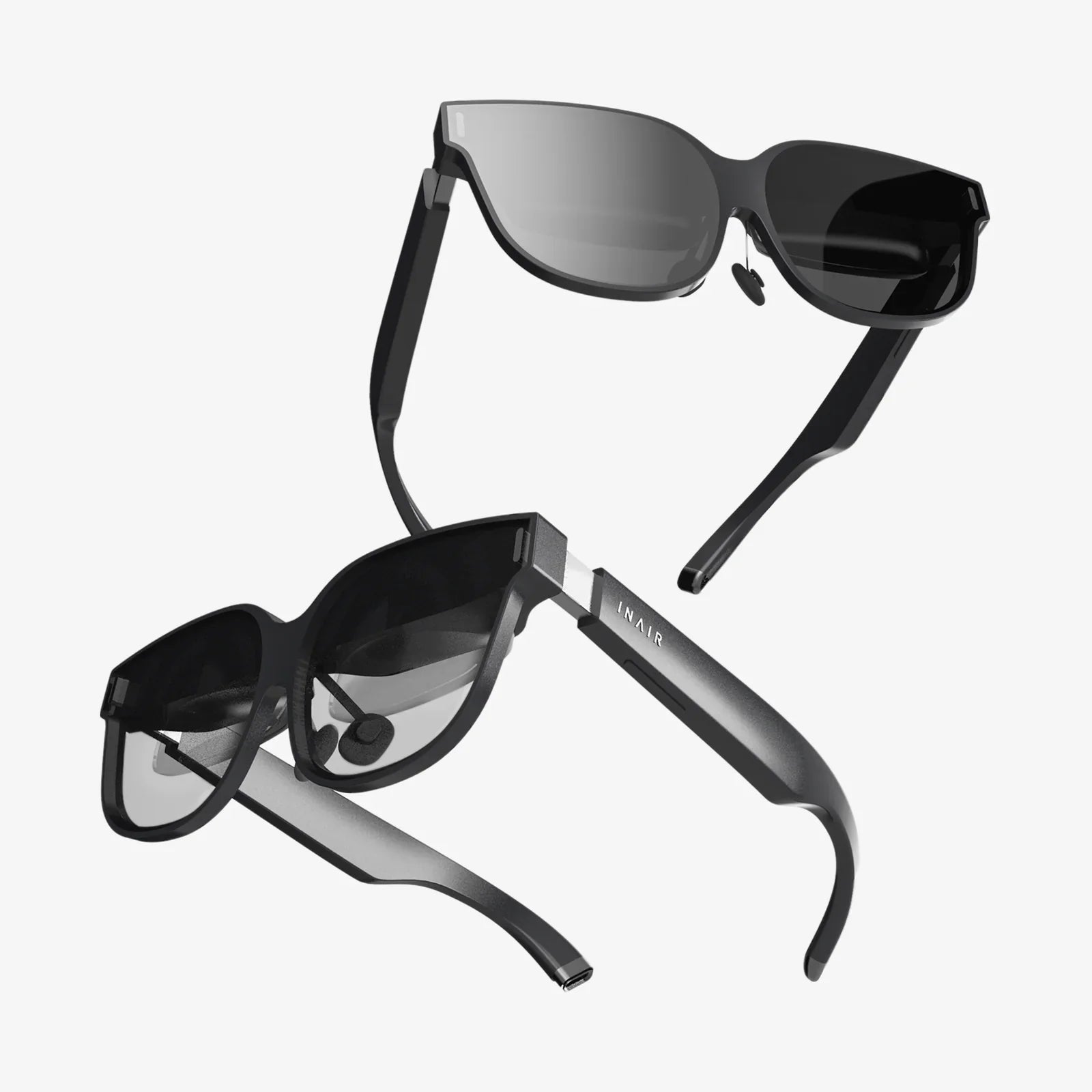
You've seen the breathtaking trailers, heard the incredible stories, and felt that pull of curiosity. The world of virtual reality promises adventures beyond imagination, but one daunting question stands between you and that digital frontier: what's the best VR set? The answer, you'll soon discover, is far more nuanced than a simple product name. It’s a deeply personal equation that balances bleeding-edge technology with practical comfort, a vast content library with your specific desires, and, of course, formidable processing power with your available budget. The quest for the ultimate headset is not about finding a one-size-fits-all champion, but about uncovering the perfect key to unlock your own virtual potential.

The Pillars of VR Excellence: What Truly Defines 'The Best'?

Before diving into the specifics, it's crucial to understand the core pillars that separate a good VR experience from a truly transformative one. Evaluating a headset means looking at a symphony of components working in concert.

Visual Fidelity: The Window to Another World

The first thing your brain notices in VR is the quality of the image. This is governed by several intertwined factors:

  • Resolution and Pixels Per Degree (PPD): While manufacturers love to tout the total resolution of their displays (e.g., 4K), a more important metric is Pixels Per Degree. This measures how many pixels are packed into each degree of your field of view. A higher PPD means a sharper, clearer image with less of the "screen door effect"—that faint grid-like pattern that can remind you you're looking at a screen.
  • Display Technology: The two main contenders are Fast-Switch LCD and OLED. LCD panels typically offer higher resolutions and reduced screen door effect, but can struggle with true blacks and contrast. OLED panels deliver perfect blacks and vibrant colors, which is ideal for dark, atmospheric games, but can sometimes have a slightly lower subpixel density.
  • Refresh Rate: Measured in Hertz (Hz), this is how many times the image on the screen refreshes per second. A higher refresh rate (90Hz, 120Hz, and now even 144Hz) is critical for smooth, comfortable gameplay. It reduces motion blur and, most importantly, minimizes the potential for motion sickness, a common hurdle for new VR users.
  • Lens Quality and Field of View (FoV): High-quality lenses are just as important as the displays themselves. They focus the image and define the sweet spot—the area of maximum clarity. A wider field of view, measured in degrees, increases the feeling of immersion by filling more of your peripheral vision, making the virtual world feel less like looking through a pair of binoculars.

Tracking and Controllers: Your Body in the Digital Space

How a system tracks your movement and translates your intentions is the bridge between you and the virtual world.

  • Inside-Out vs. Outside-In Tracking: Outside-in tracking uses external sensors or base stations placed around your room to precisely track the position of your headset and controllers. It's renowned for its high accuracy, especially for competitive gaming. Inside-out tracking, now the industry standard, uses cameras mounted on the headset itself to map your environment and track the controllers relative to that map. It's far more convenient and portable, as it requires no external hardware setup, though it can sometimes lose tracking if controllers are held outside the cameras' field of view.
  • Controller Design and Haptics: The best controllers feel like a natural extension of your hands. Ergonomic design, intuitive button placement, and finger-tracking capabilities all contribute to a deeper sense of presence. Advanced haptic feedback, which provides precise and varied vibrations, is a game-changer. Feeling the subtle click of a virtual trigger or the distinct recoil of a weapon adds a powerful tactile layer to the experience.

Comfort and Form Factor: The Forgotten Frontier

The most technologically advanced headset is worthless if it's unbearable to wear. Comfort is a feature, not an afterthought.

  • Weight Distribution: A well-designed headset uses counterweights, rigid straps, and a balanced design to distribute its weight evenly across your head and face, not just pressing on your cheeks and brow.
  • Materials and Ergonomics: Plush, breathable facial interfaces, adjustable IPD (Interpupillary Distance) dials to match your eye spacing, and easily accessible diopter adjustments for glasses-wearers are all signs of a user-focused design.
  • Form Factor:

    The industry is rapidly evolving towards smaller, lighter, and more streamlined headsets. The shift from bulky, tethered designs to more svelte, standalone units has been a major driver of VR adoption, making the technology more accessible and less intimidating.

    Navigating the Ecosystem: Tethered, Standalone, and Everything In-Between

    The first major fork in the road is understanding the fundamental types of VR systems available, as this choice will define your entire experience.

    The Powerhouse: Tethered VR Systems

    These headsets connect via a high-speed cable to a powerful external computer, which acts as the engine rendering the complex virtual worlds.

    Pros:

    • Unmatched Performance: Leveraging the raw power of a high-end GPU allows for the most graphically intensive and visually stunning experiences available.
    • Highest Fidelity: They typically feature the highest resolutions, widest fields of view, and fastest refresh rates.
    • Rich Content Library: Access to vast PC-based platforms with deep, complex games and simulations.

    Cons:

    • High Cost of Entry: Requires a significant investment not only in the headset but also in a capable gaming computer.
    • Lack of Portability: You are physically tethered to your computer, limiting your play space and freedom of movement.
    • Setup Complexity: Involves more cables and hardware setup compared to standalone options.

    The Freedom of All-in-One: Standalone VR Systems

    These are fully self-contained units with a processor, battery, and displays all built into the headset. They require no external devices to operate.

    Pros:

    • Ultimate Convenience and Portability: Pick it up and be in VR within seconds. No wires, no PC, no constraints. Play anywhere you have space.
    • Accessibility: A much lower total cost, making VR accessible to a massive audience.
    • Curated, Optimized Content: Games and apps are specifically designed and optimized to run flawlessly on the device's hardware.

    Cons:

    • Limited Graphical Power: The graphics and complexity of worlds are necessarily scaled back compared to what a high-end PC can produce.
    • Battery Life: Sessions are limited by the capacity of the internal battery, typically lasting around two hours.

    The Hybrid Approach: Standalone with Tethering Capability

    This emerging category offers the best of both worlds. You can enjoy the freedom of a wireless, standalone device for casual use or media consumption, but also have the option to connect to a powerful computer for a high-fidelity experience when desired. This flexibility makes it a compelling choice for those who want to cover all bases.

    Defining Your 'Best': A Question of Priority and Purpose

    Now that we understand the technology and the categories, we can begin to answer the central question. The best VR set is the one that best aligns with your answers to the following questions.

    For the Hardcore Gamer and Tech Enthusiast

    If your primary goal is to experience the absolute pinnacle of visual fidelity and performance, and you already own or are willing to invest in a high-end gaming rig, your path is clear. You will be looking at the premium tier of tethered headsets. Your decision will hinge on maximizing specifications: the highest possible resolution, the widest field of view, the most advanced tracking systems, and the most comfortable design for long gaming sessions. Content is also key; ensure the platform you choose has the deep, immersive titles you crave.

    For the Casual User and Social Explorer

    If your focus is on accessibility, social experiences, fitness, and casual fun without the fuss of a complicated setup, a high-end standalone system is almost certainly your best bet. Your priorities are a frictionless experience, a large and active user base for social apps, strong first-party support, and a comfortable, wireless design. The convenience of being able to jump into a workout, a social hangout, or a quick game without being tied to a single room is invaluable for this user.

    For the Professional and Creator

    For architects, designers, artists, and trainers, the needs are different. Here, precision, specific software compatibility, and clarity for reading text are paramount. You might prioritize a headset with ultra-high resolution displays for viewing detailed 3D models, robust inside-out tracking for use in various environments, and strong support for enterprise-focused software and collaboration tools. Comfort for extended wear during long work sessions is also a critical factor.

    Beyond the Hardware: The Intangible Elements of a Great VR System

    The physical headset is only half of the story. The ecosystem that surrounds it is equally important in determining its long-term value.

    • The Content Library: A headset is a portal, but it's useless without compelling worlds to visit. The depth, breadth, and quality of the available games and applications are a huge factor. Look for platforms with strong exclusive titles, a healthy indie development scene, and a clear roadmap for future content.
    • User Interface and Experience: The digital environment you inhabit when you put on the headset—the "home" space—should be intuitive, pleasant, and easy to navigate. A clunky, slow menu system can sour an otherwise great experience.
    • Software Support and Updates: The best companies support their hardware with regular software updates that add new features, improve performance, and refine the user experience over time. A headset is a living product, and ongoing support is crucial.
    • The Community: A vibrant, active community can greatly enhance your enjoyment, whether it's through finding people to play with, sharing creations, or getting help and advice.

    The Future is Now, and It's Waiting for You

    The landscape of virtual reality is evolving at a breathtaking pace, with new advancements in pancake lenses for slimmer designs, eye-tracking for foveated rendering, and haptic technology arriving constantly. This means the definition of "the best" is a moving target. Yet, the core principles remain: a great VR experience is a magical synergy of clear visuals, precise tracking, intuitive interaction, and physical comfort, all wrapped in an ecosystem filled with compelling things to do. Forget the search for a single objective winner. Instead, look inward. Define what you want to feel, what you want to do, and how much you want to invest. The perfect virtual doorway isn't the one everyone is talking about; it's the one that feels like it was made specifically for you, ready to swing open and welcome you into realities unbound.

Latest Stories

This section doesn’t currently include any content. Add content to this section using the sidebar.