


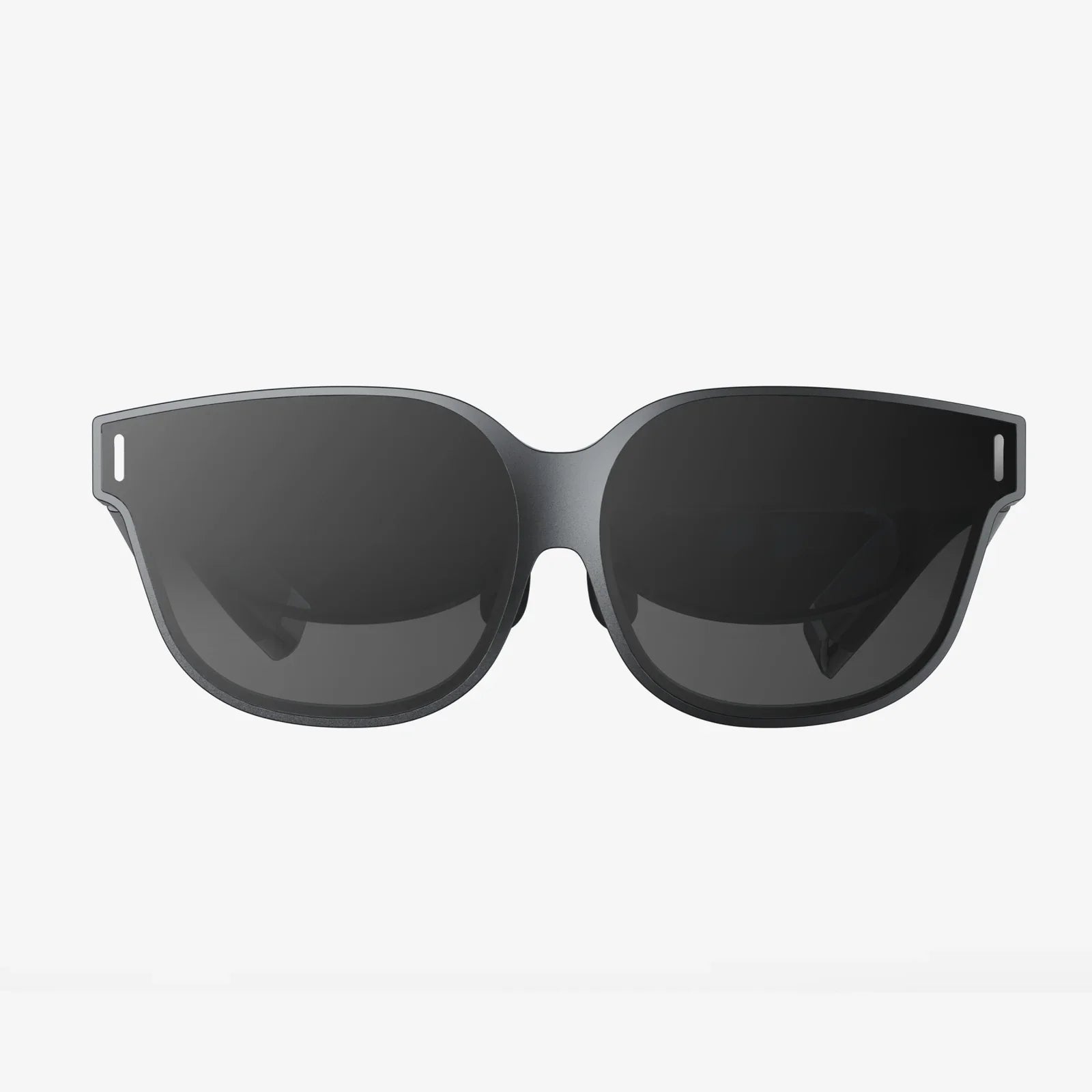
- by wangfred
What's the Difference Between AR and VR? A Deep Dive into the Digital Frontier
- by wangfred
You’ve seen the headlines, watched the futuristic commercials, and maybe even strapped on a headset yourself. The worlds of Augmented Reality (AR) and Virtual Reality (VR) are no longer the stuff of science fiction; they are here, and they are fundamentally changing how we play, work, learn, and connect. But in the rush to embrace these immersive technologies, a crucial question often gets blurred: what's the difference between AR and VR? While they exist under the same extended reality (XR) umbrella, they offer profoundly different experiences, serve unique purposes, and are built on divergent technological foundations. Understanding this distinction is key to navigating the next wave of digital innovation. This deep dive will peel back the layers of both technologies, moving beyond the buzzwords to explore the core principles that separate—and connect—these two pillars of the digital frontier.
At its simplest, the difference boils down to one core concept: your relationship with your environment.
Augmented Reality enhances your real-world environment by overlaying digital information—images, text, 3D models, animations—onto your view of the physical space. Think of it as a digital layer on top of reality. You are not taken out of your world; instead, your world is enriched with contextual data and interactive elements. The key characteristic of AR is that it requires a see-through display, whether it's through the camera of a smartphone, a pair of smart glasses, or a head-up display on a car windshield. You remain present and aware of your surroundings; the digital content simply coexists within it.
Virtual Reality, in stark contrast, is an immersive, fully digital experience that replaces your real-world environment entirely. By wearing an opaque headset that blocks out your physical surroundings, you are transported to a computer-generated simulation. This world can be a photorealistic recreation of a real place, a fantastical game environment, or a abstract digital space. The goal of VR is to create a sense of presence—the convincing feeling of actually being in that virtual world. It often employs motion tracking and handheld controllers to allow you to interact with and navigate this digital realm, making the experience as encompassing as possible.
The fundamental difference in experience is driven by a significant divergence in their underlying technology. While both rely on advanced processors, sensors, and displays, their implementation is tailored to their unique goals.
Virtual Reality technology is primarily focused on immersion and isolation.
Augmented Reality technology is focused on blending and context.
The technological differences naturally lead AR and VR to excel in different applications. One is not better than the other; they are tools designed for different jobs.
VR's strength is its ability to create controlled, deeply immersive experiences that would be impossible, too expensive, or too dangerous to replicate in the real world.
AR's power lies in its ability to enhance and assist with tasks we perform in the real world, providing information and interaction right where we need it.
The line between AR and VR is not always rigid. This has given rise to the concept of Mixed Reality (MR), which sits on the spectrum between the two. MR not only overlays digital objects onto the real world (like AR) but also allows those objects to interact with it in a physically believable way. A virtual ball in MR can bounce off a real wall and roll under a real table, with the system understanding the geometry and physics of both. Advanced headsets are beginning to blend these capabilities, using outward-facing cameras to map the real world while displaying a virtual one, allowing for passthrough VR that can enable MR experiences.
The choice between AR and VR isn't about which technology is superior; it's about the problem you need to solve or the experience you want to create.
Ask yourself: Do I need to be completely immersed in a digital world, free from the distractions of reality? If the answer is yes—for a breathtaking game, a focused training session, or a virtual meeting where avatars can share a digital space—then VR is your tool.
Alternatively, do I need to enhance my interaction with the physical world, bringing digital information and context into my immediate surroundings to assist with a real-world task? If you're looking to visualize a product in your home, get hands-free instructions while repairing something, or bring a textbook diagram to life, then AR is the clear choice.
The most exciting future is not one where AR or VR wins, but one where they coexist and complement each other, blending seamlessly into our daily lives through increasingly sophisticated and accessible devices. They are two sides of the same coin, both offering a glimpse into a future where our digital and physical realities are no longer separate, but intertwined in ways we are only just beginning to imagine.
Imagine a world where your morning run is guided by AR stats floating in your periphery, your workday involves collaborating with colleagues' avatars in a virtual office, and your evening entertainment transports you to a concert happening on the other side of the planet. The journey into this blended future starts with understanding the distinct magic each technology holds—the power to augment our world or to invent entirely new ones from scratch.