


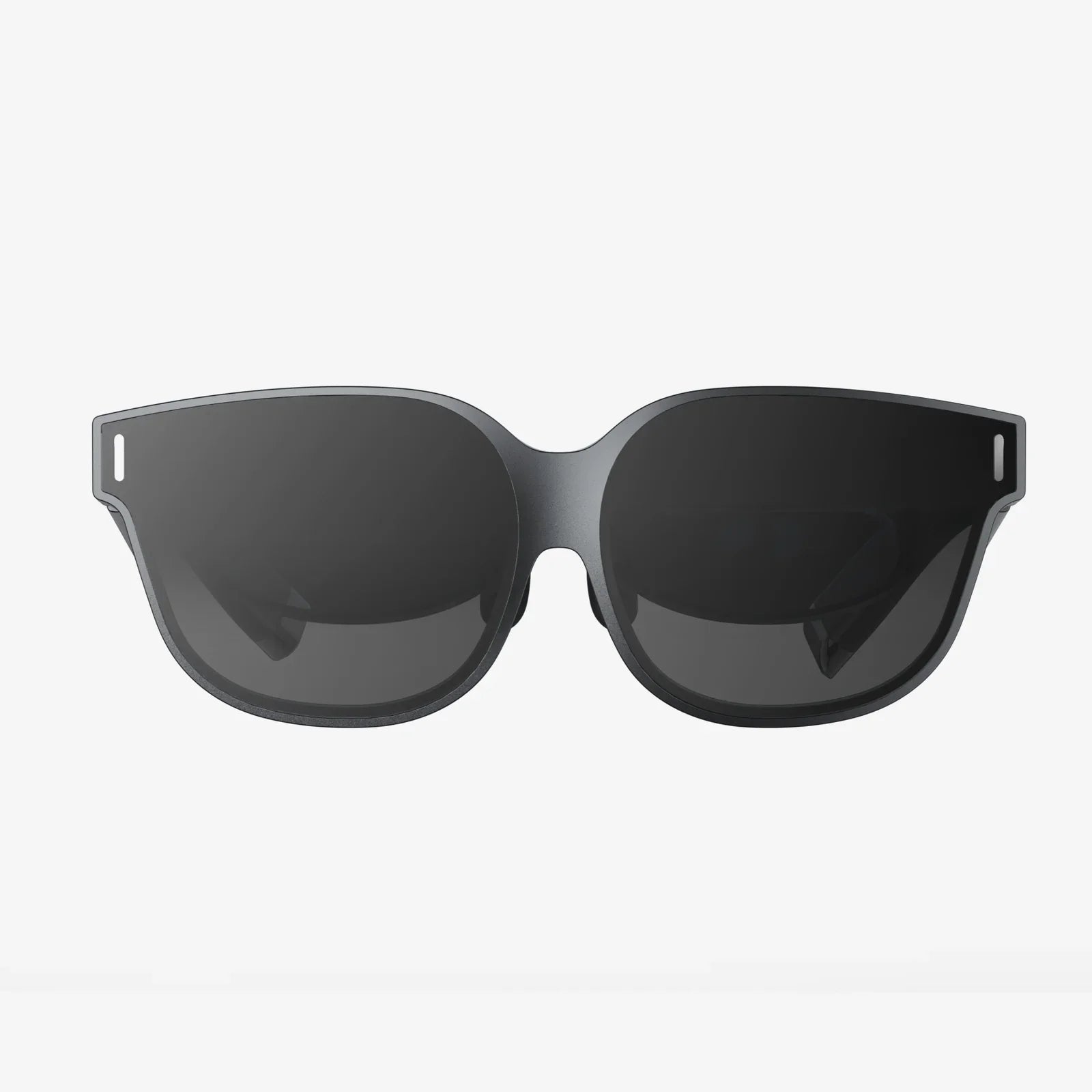
- by wangfred
What's The Latest VR Headset? A Deep Dive Into The New Frontier of Immersive Technology
- by wangfred
The digital horizon is constantly shifting, and nothing embodies this rapid evolution quite like the world of virtual reality. You hear the whispers, see the tantalizing trailers, and wonder just how far the technology has leaped since you last strapped on a headset. The question on everyone's mind is a simple one, yet the answer is a thrillingly complex tapestry of innovation, competition, and a future that feels increasingly tangible. This isn't just about a new piece of hardware; it's about unlocking a new layer of human experience.
The latest generation of VR headsets has moved beyond mere novelty, establishing a new gold standard for what users can expect. The relentless pursuit of immersion has driven innovation across several key fronts, creating a product category that is more refined, powerful, and accessible than ever before.
Perhaps the most immediately noticeable upgrade in new headsets is the staggering improvement in display technology. The era of the "screen door effect"—that faint grid of lines between pixels that reminded users they were looking at a screen—is largely over. Modern headsets employ high-resolution LCD and advanced OLED panels, often with custom optics that push pixel density to new heights. This results in breathtakingly sharp text, vibrant colors, and a visual experience that feels genuinely real. Furthermore, a higher refresh rate, now commonly reaching 90Hz, 120Hz, or even beyond, ensures buttery-smooth motion that is crucial for maintaining comfort and presence within the virtual world.
Early VR systems often required external sensors or base stations to be mounted around a room to track the user's movement. The latest generation has overwhelmingly adopted inside-out tracking. This technology uses a series of cameras embedded on the headset itself to map the physical environment and track the controllers in real-time. The result is a dramatically simplified setup process; users can now define their play space in minutes without the hassle of external hardware. This technology has also enabled advanced features like passthrough vision, allowing users to see a black-and-white or color video feed of their real-world surroundings without removing the headset, a critical step toward blending the digital and physical realms.
The market has effectively bifurcated into two powerful camps, each serving a different need:
These all-in-one devices have become the face of the modern VR revolution. With a complete computer system, battery, and tracking technology built directly into the headset, they offer unparalleled freedom and convenience. Users are completely untethered, free to rotate and move without worrying about tripping over a cable. The processors powering these devices are custom-designed mobile chipsets that deliver impressive performance, capable of running sophisticated games and social experiences. They represent the most accessible entry point into high-quality VR.
For users seeking the absolute pinnacle of visual and computational performance, tethered headsets remain the undisputed champions. By connecting via a high-speed cable to a powerful gaming computer, these devices are unshackled from mobile power constraints. They leverage the raw horsepower of dedicated graphics cards and processors to deliver higher resolutions, more complex graphical effects, richer virtual worlds, and incredibly detailed simulations. They are the preferred choice for hardcore gamers, professional designers, and enterprise applications.
The most significant trend emerging in the latest hardware is the pivot from pure Virtual Reality toward Mixed Reality (MR). While VR completely replaces your vision with a digital environment, MR uses those advanced passthrough cameras to digitally augment your real world. Imagine placing a virtual television on your physical wall, having a pet dinosaur run around your actual living room, or using digital screens and tools that are anchored to your physical desk. This shift is enabled by high-resolution color passthrough and sophisticated environment understanding, transforming the headset from a portal to another world into a transformative layer for your own.
When evaluating the latest headsets, several key specs define the experience:
A headset is nothing without its software and community. The latest platforms are supported by robust digital storefronts offering thousands of experiences, from blockbuster games and creative studios to fitness applications and social hubs. Cross-platform play is becoming more common, allowing friends to connect regardless of their chosen hardware. Furthermore, the rise of the metaverse concept, though still in its infancy, is driving development toward persistent social spaces where work, play, and commerce can intersect in virtual settings.
The target audience has expanded dramatically. It's no longer just for gamers.
The pace of innovation shows no signs of slowing. Research and development are already focused on the next frontiers: varifocal lenses that dynamically adjust to where your eyes are looking to mimic natural depth, eye-tracking for more intuitive control and foveated rendering (which drastically boosts performance by rendering only where you're looking in high detail), and haptic feedback that goes beyond controllers to include vests and gloves for a truly physical sense of touch. The goal is a seamless, comfortable, and profoundly human experience.
So, where does this leave the curious adventurer asking the initial question? It leaves them on the precipice of a new era. The latest VR headsets are not incremental updates; they are foundational shifts. They are more than gaming peripherals; they are portals to new ways of working, creating, connecting, and experiencing reality itself. The barrier between the user and the experience is thinner than it has ever been, and the content more compelling. The question is no longer if the technology is ready, but if you are ready to step through.