


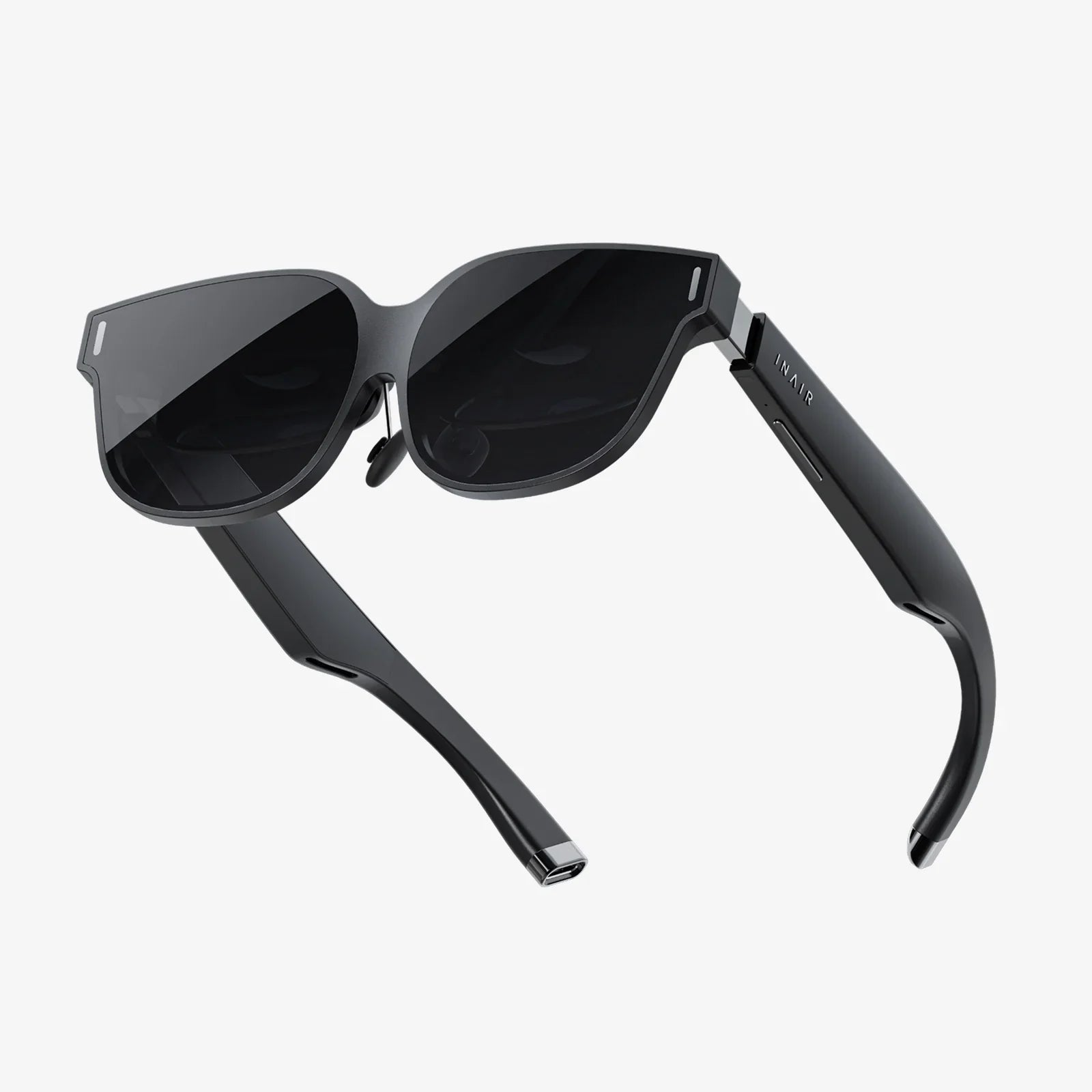
You’ve seen the breathtaking trailers, heard the hype from early adopters, and maybe even experienced a demo that left your jaw on the floor. The world of virtual reality is no longer a distant sci-fi fantasy; it’s a vibrant, growing ecosystem of hardware, software, and experiences. But if you’re ready to take the plunge, you’re immediately faced with a critical, seemingly simple question: what’s the most popular VR headset? The answer, however, is anything but straightforward. It’s a fascinating puzzle with multiple pieces, each telling a different part of the story. Unraveling this mystery reveals not just a winner, but the very dynamics shaping the future of computing itself.
Defining Popularity in a Virtual World
Before we can crown a champion, we must first define our terms. "Popular" can mean many different things, and in the VR market, these definitions often conflict. Is it the headset with the highest raw sales figures? The one with the most active users logging in every day? The device that generates the most buzz and cultural recognition? Or perhaps the platform with the most critically acclaimed and best-selling games? A strong case can be made for several different devices depending on which metric you prioritize. This multi-faceted analysis is crucial to getting a true picture of the landscape.
The Contender: The All-in-One Wireless Champion
When discussing pure, unadulterated sales figures and widespread name recognition, one platform stands in a league of its own. This headset redefined the market by eliminating the two biggest barriers to entry: the need for a powerful, expensive gaming computer and the cumbersome tether that restricted movement. By offering a completely wireless, self-contained experience at an accessible price point, it brought VR to the masses in a way no device had before.
Its strategy was brilliant. It wasn't just selling hardware; it was creating a social and gaming ecosystem. By marketing itself as a device for fitness, social connection, media consumption, and gaming, it appealed to a far broader audience than hardcore gamers alone. Sales estimates consistently place this headset as the market leader by a significant margin, likely having sold tens of millions of units. Its app store is a bustling marketplace, and for many, its name is synonymous with virtual reality. In terms of putting a headset in every home, this device is the undisputed king of popularity by volume.
The Contender: The High-Fidelity Powerhouse
But what about the enthusiasts? The gamers who demand the absolute highest fidelity, the most immersive experiences, and the cutting edge of technology? For this demographic, sales volume is less important than performance and library depth. This is where a very different kind of headset dominates. This device is the flagship product of a company with an immense existing footprint in PC gaming.
Its popularity is not measured in raw unit sales, which are inevitably lower due to its higher cost and requirement for a powerful gaming rig. Instead, its popularity is measured in its deep integration into the most advanced VR gaming ecosystem. It boasts an unparalleled library of sophisticated, graphically intense games and experiences. For developers aiming to create the most ambitious VR projects, this platform is often the primary target. Its user base, while smaller, is highly engaged, spends more on software, and represents the bleeding edge of what is possible in consumer virtual reality. In terms of cultural mindshare among core gamers and driving the industry forward with high-end innovation, this headset is incredibly popular.
The Dark Horse: The Console Integrator
No analysis of popularity can ignore the immense power of a closed ecosystem. A major console manufacturer introduced a VR headset designed to work seamlessly with its game console, which has sold over a hundred million units. This instantly gave it a potential install base that most manufacturers can only dream of.
While its adoption rate among console owners is a fraction of the whole, that fraction still represents a number that competes with other major players. Its popularity is unique because it leverages the trust, brand loyalty, and exclusive content library of its parent console. For owners of that console, it is often the default—and sometimes only—choice for VR, making it wildly popular within that specific walled garden. Its upcoming next-generation model promises even higher fidelity and better integration, ensuring it will remain a major force in the market.
Beyond Gaming: The Enterprise and Professional Sphere
Our discussion so far has centered on consumers, but popularity has a different meaning in the boardroom, design studio, and surgical theater. Another category of headset, often priced far beyond the consumer market, dominates the enterprise and professional sectors. These devices boast the highest-resolution displays, incredibly precise tracking, and advanced features for collaboration and 3D visualization.
While their unit sales are low compared to consumer devices, their impact and "popularity" among architects, medical professionals, and Fortune 500 companies are immense. They are the tools building the industrial metaverse, training pilots, and helping surgeons plan complex procedures. In terms of driving VR adoption in fields that shape our physical world, these headsets are profoundly popular and influential.
Measuring the Metrics: What the Data Tells Us
Concrete data is often closely guarded, but we can piece together clues from various sources. Steam's monthly Hardware & Software Survey, which samples users of the popular PC gaming platform, provides a window into the PC VR market. It consistently shows one high-end headset holding a dominant market share among PC users, often well over 40%, with other PC-based headsets trailing far behind. This is a key data point for the enthusiast segment.
For the all-in-one market, estimates from analytics firms, quarterly earnings reports, and developer revenue分享 data all point to one platform overwhelmingly leading in unit sales and software engagement metrics. While the exact numbers are debated, the order of magnitude is not; it has sold more than all its direct competitors combined.
The Future of Popularity: Where is the Market Heading?
The definition of the "most popular" headset is fluid and is likely to change again. The industry is converging on a new standard often referred to as a "mixed reality" or "XR" headset. These devices don't just offer virtual reality; they use passthrough cameras to blend digital objects with your real world, enabling augmented reality experiences as well.
The latest generation of headsets from all major players is embracing this technology. This shift is redefining the value proposition of a headset from a gaming peripheral to a general-purpose computing device. The next battle for popularity won't just be about who has the best games, but who has the best productivity apps, the most intuitive interface for working in virtual spaces, and the most compelling vision for a spatial computing future. The most popular headset tomorrow might be the one that best succeeds in making us rethink our relationship with computers altogether.
So, which headset truly deserves the crown? The wireless all-in-one leader wins on pure mass-market adoption and accessibility. The high-fidelity powerhouse wins on elite performance and depth of experience. The console integrator wins on seamless ecosystem strength. And the professional devices win on transforming entire industries. The true answer to 'what's the most popular VR headset' is that it depends entirely on the world you want to immerse yourself in. The real victory is that virtual reality is now a diverse and thriving field with a compelling option for every user and every purpose, a sign of a technology that has finally, truly, arrived.
Share:
Extended Reality Market Size Forecast 2030: A Trillion-Dollar Metaverse Horizon
VR Headset for Phone Best Buy: Your Ultimate Guide to Choosing the Perfect Mobile VR